The Alzheimer’s prevention protocol: What the FINGER trial and its successors actually showed
5 min read
Key takeaways
The 2024 Lancet Commission on dementia prevention updated its modifiable risk factor list to 14 factors accounting for approximately 45 percent of dementia cases worldwide. Twelve of these are addressable through lifestyle intervention without pharmaceutical treatment.
Amyloid and tau accumulation begin 15 to 20 years before clinical Alzheimer’s disease symptoms appear. The prevention window is the decade before symptom onset, making midlife the most critical intervention period.
The FINGER trial showed that a multimodal lifestyle intervention produced 25 percent better cognitive performance than the control group after two years in at-risk adults aged 60 to 77, and the effects persisted at seven-year follow-up.
No single drug has produced disease modification in Alzheimer’s clinical trials targeting established disease. The prevention evidence is substantially stronger than the treatment evidence, and is available without a prescription.
Why Alzheimer’s drug trials keep failing and what that tells us about prevention
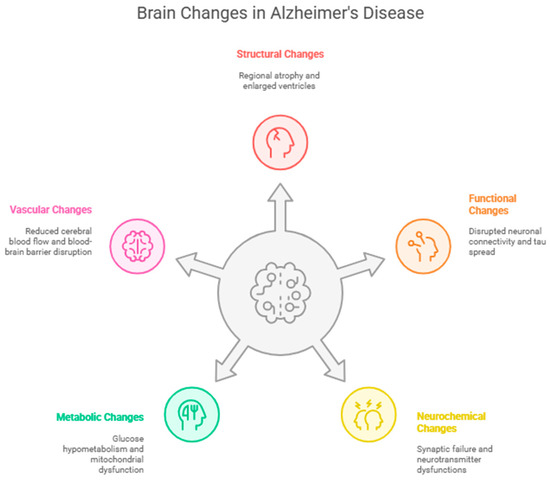
The history of Alzheimer’s drug development is a long list of late-stage trial failures that cleared amyloid beautifully and moved the cognitive decline needle almost imperceptibly. The recently approved anti-amyloid antibodies (lecanemab, donanemab) modestly slow decline in early-stage disease but do not prevent it or reverse established cognitive loss. The consistent lesson from this failure pattern: once clinical Alzheimer’s disease is established, the pathological burden has exceeded what amyloid clearance alone can address. The disease is not just amyloid plaques. It is amyloid plaques plus tau tangles plus neuroinflammation plus synaptic loss plus neuronal death that has already occurred.
The prevention evidence is a different story entirely. The 2020 Lancet Commission identified twelve modifiable risk factors (expanded to 14 in 2024) that together account for 45 percent of dementia cases. These include hearing loss, hypertension, excessive alcohol, obesity, smoking, depression, physical inactivity, social isolation, traumatic brain injury, air pollution, diabetes, insufficient education, vision loss, and elevated LDL cholesterol. Each of these is addressable. Collectively, optimal management of all fourteen factors would prevent or substantially delay almost half of all dementia cases without any pharmaceutical intervention.
The Finnish Geriatric Intervention Study to Prevent Cognitive Impairment and Disability (FINGER) enrolled 1,260 adults aged 60 to 77 with elevated dementia risk (based on cardiovascular risk factors, lifestyle, and cognitive performance). Participants were randomized to a multimodal intervention or health advice control.
The intervention group received: individual dietary guidance toward a modified Nordic healthy diet; supervised aerobic and resistance exercise sessions three times per week; cognitive training in groups with computer-based exercises and strategy training; and intensive management of vascular risk factors (blood pressure, cholesterol, glucose, weight). Over two years, the intervention group showed 25 percent better performance on a comprehensive neuropsychological battery than controls, with the greatest benefits in executive function, processing speed, and complex memory tasks. At seven-year follow-up, the survival analyses showed the intervention group had significantly lower rates of dementia diagnosis.
The Livium recipe
Tool. The CAIDE (Cardiovascular Risk Factors, Aging and Dementia) score estimates 20-year dementia risk based on age, sex, education, systolic blood pressure, BMI, total cholesterol, and physical activity. It is the risk calculator used to select FINGER trial participants and provides a structured starting point for understanding personal dementia risk. A full cognitive baseline test on Cambridge Brain Sciences or CNS Vital Signs provides the pre-intervention cognitive performance reference.
Behavior. The self-directed FINGER protocol: Mediterranean-MIND dietary pattern (covered in the cognitive reserve article in this library); 150 minutes Zone 2 aerobic exercise plus two resistance sessions weekly; one genuinely new cognitive challenge weekly requiring learning rather than rehearsal; blood pressure below 130/80, fasting glucose below 100, hs-CRP below 1.0, sleep seven to nine hours nightly. These four pillars implemented simultaneously produce the most consistent prevention benefit in the evidence; single-pillar approaches produce smaller and less durable effects.
Threshold. Annual neuropsychological testing tracks cognitive trajectory. Stable or improving performance on a validated battery over three to five years in a midlife adult with known risk factors is a meaningful marker of the prevention protocol working. The biomarker targets (blood pressure, glucose, hs-CRP, sleep quality) provide ongoing feedback on the vascular risk management pillar.
Life Extension Cognitex Elite Pregnenolone provides phosphatidylserine, GPC, uridine, and pregnenolone in a formula supporting the cholinergic, glutamatergic, and neurosteroid systems most impaired in Alzheimer’s disease pathogenesis. NOW Foods Phosphatidyl Serine 150 mg is the most directly evidence-supported individual nootropic for Alzheimer’s prevention, with FDA-qualified health claim status for cognitive decline reduction and multiple published RCTs showing benefit in at-risk populations. Pure Encapsulations Bacopa has published evidence of improved memory consolidation and reduced beta-amyloid aggregation in preclinical models, with human trials showing improvements in working memory and cognitive processing speed over 12 weeks. NOW Foods Lion’s Mane provides the compounds hericenone and erinacine, which stimulate nerve growth factor (NGF) synthesis, supporting hippocampal neuroplasticity and neuronal maintenance through a mechanism complementary to the effects of phosphatidylserine and bacopa.
Lancet risk factor
Estimated PAF
Critical life period
Primary intervention
Physical inactivity
~2%
Midlife and later
Zone 2 + resistance training
Hypertension
~2%
Midlife
Blood pressure below 130/80
Hearing loss
~8%
Midlife
Hearing test; hearing aids if indicated
Obesity
~1%
Midlife
Healthy BMI; visceral fat reduction
Social isolation
~5%
Later life
Recurring social commitment; relationship investment
Check blood pressure this week if it has not been checked in the past year. Hypertension is the highest-yield modifiable risk factor for midlife dementia prevention, and the most commonly uncontrolled one. Target below 130/80.
Get a hearing test if there is any sense of hearing difficulty, tinnitus, or asking people to repeat themselves. Hearing loss is the single largest population-attributable fraction for dementia among the 14 factors. Treating it with hearing aids reduces the social isolation and cognitive demand that untreated hearing loss produces.
Implement the FINGER four-pillar protocol this month. Not sequentially. Simultaneously. The trial evidence is for the multimodal combination, not for any single pillar. Each pillar produces independent effects through different mechanisms; the combination is additive.
Take baseline cognitive testing on Cambridge Brain Sciences and retest annually. The trajectory matters more than any single score, and the 10 to 15-year advance warning window that declining trajectory provides is where intervention is most effective.
The FINGER trial showed that APOE4 carriers benefited from the multimodal intervention at least as much as non-carriers. The prevention protocol is at least as important for APOE4 carriers as for anyone else. Additional considerations for APOE4 carriers: earlier and more aggressive vascular risk management, specific attention to the MIND dietary pattern, which showed the strongest observational association with reduced APOE4-related dementia risk, and earlier referral to a neurologist for baseline assessment if there is any concern about cognitive trajectory.
Does the MIND diet differ significantly from the Mediterranean diet?+
Yes, in specific emphasis. The MIND (Mediterranean-DASH Intervention for Neurodegenerative Delay) diet is calibrated for brain health specifically, with its strongest emphasis on leafy green vegetables (the component with the strongest dementia-association evidence), berries (the only fruits specifically highlighted), olive oil, whole grains, nuts, legumes, fish, and poultry, while specifically limiting red meat, butter, margarine, sweets, and fried food. The Mediterranean diet is not wrong; the MIND diet reflects the specific components with the strongest evidence for brain outcomes.
At what age is it too late to start dementia prevention?+
The FINGER trial enrolled adults up to age 77 and showed meaningful cognitive protection. Prevention interventions remain worthwhile at any age before clinical dementia is established. The delay of symptom onset achieved through reserve building and risk factor management is proportionally valuable whether it delays onset from 80 to 85 or from 65 to 70. Starting in the 40s and 50s provides the longest potential delay period, but the 60s and 70s are not too late.
Legal Disclaimer
The content published on Livium Health is for informational and educational purposes only. Nothing on this site constitutes medical advice, diagnosis, or treatment. Always consult a qualified healthcare provider before making decisions about your health, including changes to medications, supplements, diet, or exercise.
Livium Health is not a medical practice and does not have a patient-provider relationship with its readers. We do not sell supplements, medications, or treatments, and we have no financial relationship with the products or services we reference.
While we work to ensure the information we publish is accurate and up to date, health and medical guidance evolves. We make no guarantees about the completeness or currency of any content on this site. Reliance on any information provided by Livium Health is solely at your own risk.
If you are experiencing a medical emergency, call 911 or your local emergency services immediately.
We may receive compensation, free products, or affiliate commissions for products mentioned in this post. Opinions are our own.