The connection between chronic pain and mental health that most doctors address separately
6 min read
Key takeaways
Chronic pain and depression share overlapping neurobiological mechanisms, including elevated inflammatory cytokines, altered serotonin and norepinephrine signaling, and HPA axis dysregulation. They are not coincidentally correlated. They share infrastructure.
Central sensitization, in which the nervous system amplifies pain signals beyond what peripheral tissue damage warrants, is driven by the same neuroinflammatory processes that drive depression and anxiety.
Pain catastrophizing, a cognitive pattern of ruminating on pain, interpreting it as threatening, and feeling helpless in its face, independently worsens both pain intensity and mental health outcomes and responds to psychological treatment even without changes in underlying pathology.
The physician who treats chronic pain without addressing mental health, and the psychiatrist who treats depression without addressing chronic pain, are each solving half of a problem that requires the whole solution.
Two problems sharing one body
Chronic pain has a mental health comorbidity rate of approximately 30 to 50 percent for depression and 35 percent for anxiety disorders. For decades, this was interpreted as understandable: pain is depressing. Sleep disruption from pain causes anxiety. A person who has been in pain for two years has reason to be mentally unwell.
That interpretation is accurate but incomplete. The research now shows that the relationship is not just psychological. Chronic pain and depression share neurobiological infrastructure at the level of inflammatory signaling, neurotransmitter systems, and HPA axis function. They amplify each other not just through life experience but through shared mechanisms. Treating one while ignoring the other is addressing half a system and wondering why the other half is not improving.
Central sensitization: when the nervous system amplifies
Central sensitization describes the process by which the central nervous system, after prolonged pain input, lowers its threshold for pain signaling. The brain begins responding to stimuli that would not normally be painful as if they were. The volume on pain gets turned up. This is why people with fibromyalgia, chronic back pain, or chronic migraine often report pain responses that seem disproportionate to identifiable tissue pathology.
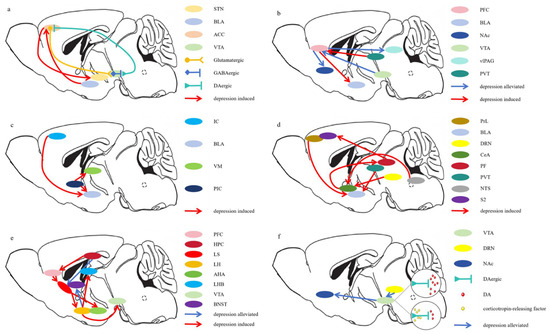
The driver of central sensitization is neuroinflammation: glial cell activation and pro-inflammatory cytokine production in the spinal cord and brain. The same neuroinflammatory process, the same cytokines, and the same glial cell activation pattern are implicated in depression. Depression and chronic pain are, in a meaningful mechanistic sense, different clinical presentations of the same underlying neuroinflammatory process.
Pain catastrophizing is a cognitive pattern characterized by three features: rumination on pain, magnification of its threat, and helplessness in its presence. It predicts pain intensity, disability, and treatment response independently of the severity of the underlying condition. Two people with identical MRI findings and identical tissue pathology will report substantially different pain experiences based on their catastrophizing score.
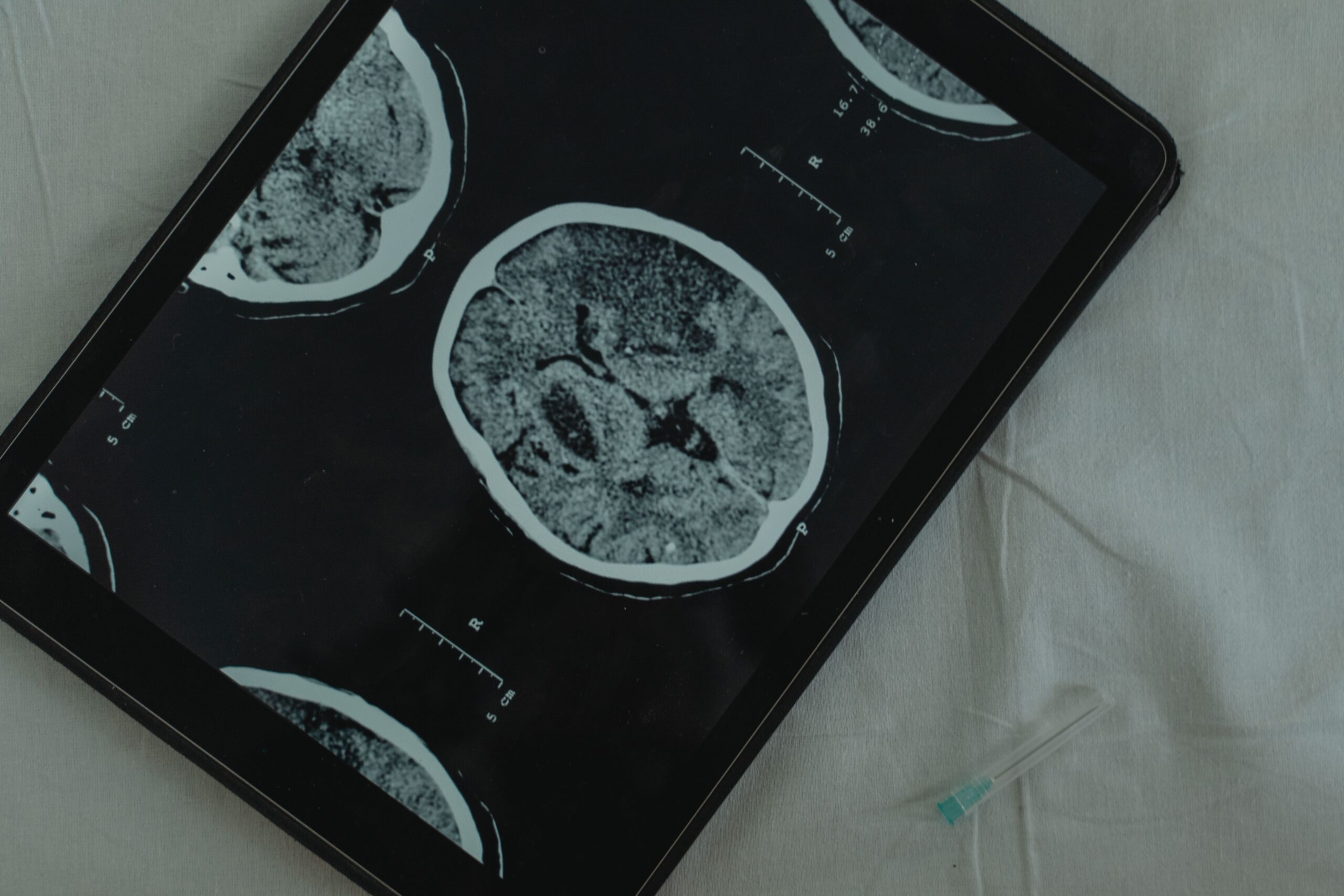
The neuroimaging data shows that catastrophizing increases activity in brain regions that amplify pain perception, including the anterior cingulate cortex and the insula. It physically turns up the volume on pain in a measurable way. This is why psychological treatment of catastrophizing, specifically pain-focused CBT and acceptance and commitment therapy, reduces self-reported pain intensity and improves function even without changing the underlying pathology.
The Livium recipe
Tool. The Pain Catastrophizing Scale (PCS), available free online, takes five minutes and produces a score on rumination, magnification, and helplessness subscales. A high catastrophizing score alongside chronic pain is an indication for psychological treatment of the cognitive component, regardless of the pain source. A wearable tracking HRV and sleep quality provides objective data on how pain is affecting the nervous system, informing both the pain physician and the mental health clinician.
Behavior. Pain-focused CBT or ACT with a therapist experienced in chronic pain populations. These are not the same as standard CBT or standard ACT. The pain-specific protocols address the catastrophizing pattern, the avoidance behaviors that maintain disability, and the grief associated with identity loss in chronic pain. Multidisciplinary pain programs, which combine medical, psychological, and physical rehabilitation approaches, produce the best outcomes in research and the worst access for most patients. Finding a psychologist with a specialty in chronic pain is the practical starting point.
Threshold. After 12 weeks of combined pain management and psychological treatment: the PCS score should decline, functional measures (steps per day, activities of daily living) should improve, and sleep quality should improve. Pain intensity may not change dramatically, but pain interference, the degree to which pain prevents life, typically improves significantly from the psychological and behavioral interventions even when the underlying condition remains.
The anti-inflammatory support layer
Thorne Boswellia Phytosome provides a highly bioavailable form of boswellic acids that inhibit 5-LOX (the leukotriene inflammatory pathway) with published RCT evidence in osteoarthritis and inflammatory pain. Unlike COX-2 inhibitors, boswellia does not carry the cardiovascular risks of long-term NSAID use. Life Extension Super Ubiquinol CoQ10 supports mitochondrial function in neural tissue, reducing the cellular energy deficit that neuroinflammation produces in both pain processing circuits and mood regulation circuits simultaneously.
Pure Encapsulations Curcumin 500 mg, taken three times daily, inhibits the NF-κB inflammatory pathway, addressing the shared neuroinflammatory substrate of chronic pain and depression. The phytosome form has better bioavailability than standard curcumin. XGold Health Palmitoylethanolamide (PEA) is an endocannabinoid-like compound with multiple published RCTs in chronic pain conditions showing significant pain and inflammation reduction without the psychoactive effects of cannabinoids. PEA modulates mast cell and glial cell activation, directly targeting the neuroinflammation driving central sensitization.
The shared mechanism of chronic pain and depression
Complete the Pain Catastrophizing Scale. A score above 30 indicates high catastrophizing and warrants psychological treatment of the cognitive component alongside any medical treatment of the pain source.
If both chronic pain and depression or anxiety are present, look for a clinician or treatment program that explicitly addresses both simultaneously. Siloed treatment produces consistently inferior outcomes in the research literature.
Add a systemic anti-inflammatory protocol as an adjunct: Mediterranean diet, omega-3 supplementation at 2 to 3 grams EPA/DHA daily, and a curcumin or boswellia supplement. These target the shared inflammatory substrate and reduce both pain intensity and mood symptoms through the same mechanism.
Aerobic exercise at moderate intensity is the single intervention with the strongest evidence across both chronic pain and depression simultaneously. Even 20 minutes of walking four times per week produces measurable improvements in both outcomes within six weeks.
Yes, particularly SNRIs (duloxetine and venlafaxine), which are FDA-approved for both depression and certain chronic pain conditions. They address the shared serotonin/norepinephrine pathway and improve descending pain inhibition alongside mood. The analgesic effect of SNRIs in chronic pain is independent of their antidepressant effect, which confirms the shared mechanism rather than the improvement being explained by mood change alone.
Is chronic pain “all in the head”?+
Not in the dismissive sense the question implies. The psychological components of chronic pain are real neurobiological processes. Central sensitization is a measurable change in how the nervous system processes pain signals. Pain catastrophizing produces visible changes in brain activation patterns. Calling these “psychological” does not mean they are invented. It means they involve the brain, which is part of the body and responds to treatment like any other organ.
Why do doctors treat chronic pain and mental health separately?+
Primarily because medical specialization divides by body system rather than by mechanism. The neurologist or rheumatologist manages the pain condition. The psychiatrist or psychologist manages the mental health condition. Neither is trained in or incentivized to manage both. Multidisciplinary pain programs explicitly integrate both approaches but are scarce, expensive, and rarely covered comprehensively by insurance. The siloed system is a structural problem, not a knowledge problem.
Legal Disclaimer
The content published on Livium Health is for informational and educational purposes only. Nothing on this site constitutes medical advice, diagnosis, or treatment. Always consult a qualified healthcare provider before making decisions about your health, including changes to medications, supplements, diet, or exercise.
Livium Health is not a medical practice and does not have a patient-provider relationship with its readers. We do not sell supplements, medications, or treatments, and we have no financial relationship with the products or services we reference.
While we work to ensure the information we publish is accurate and up to date, health and medical guidance evolves. We make no guarantees about the completeness or currency of any content on this site. Reliance on any information provided by Livium Health is solely at your own risk.
If you are experiencing a medical emergency, call 911 or your local emergency services immediately.
We may receive compensation, free products, or affiliate commissions for products mentioned in this post. Opinions are our own.