
Share
Energy & Focus
Men's Health
Women's Health
The energy problem starts in the cell: NAD+, mitochondria, and why you run out of steam
6 min read

Key takeaways
- NAD+ (nicotinamide adenine dinucleotide) is a coenzyme that mitochondria use to produce ATP. It declines approximately 50 percent between ages 40 and 60. This decline is one of the upstream drivers of fatigue, reduced exercise recovery, and the “running on empty” sensation that midlife adults commonly describe.
- NMN (nicotinamide mononucleotide) and NR (nicotinamide riboside) are NAD+ precursors that raise blood NAD+ levels in published human studies. Whether raising blood NAD+ translates to meaningful energy and function improvement in healthy adults is less settled than the longevity influencer community suggests. The data is promising but not definitive.
- Exercise, specifically Zone 2 cardio and resistance training, is the most proven mitochondrial biogenesis intervention available, with decades of mechanistic data and measurable outcomes. It is not a consolation prize for people who can’t afford NMN. It is a better intervention for most adults at most stages.
- Coenzyme Q10 (CoQ10) deserves attention if you are on a statin. Statins deplete CoQ10 by blocking the same mevalonate pathway that produces both cholesterol and CoQ10. Supplementing CoQ10 while on a statin is supported by this mechanism, even if the clinical evidence on statin-associated muscle symptoms is mixed.
The cellular energy system is a factory, not a tank
Most people think of energy as something you store and spend. A tank that fills at night and empties through the day. That model is wrong in a way that matters for how you fix the problem.
Cellular energy is a production system, not a storage system. Your mitochondria are continuously manufacturing ATP from glucose and fat. The “running out of energy” experience is not an empty tank. It is a factory running below capacity. The machinery is aging. The raw materials (NAD+, CoQ10, oxygen delivery) are less abundant. Output drops.
Understanding this matters because the interventions that address a storage problem are different from the interventions that address a production problem. More sleep fixes the tank metaphor. Resistance training, Zone 2 cardio, and NAD+ precursors fix the factory metaphor.
NAD+ and why it matters
NAD+ is not a supplement. It is a molecule that every cell in your body requires to convert food into ATP. It is the electron carrier that sits at the center of the metabolic machinery. Without adequate NAD+, mitochondrial ATP production slows. With less ATP, cells have less energy for every function they perform.
NAD+ also activates sirtuins, the family of proteins that regulate DNA repair, inflammation, and mitochondrial biogenesis. Sirt1, activated by NAD+, is the closest thing to a longevity master switch that the current science has identified. This is why the NAD+ research got so much longevity attention: raising NAD+ does not just produce more energy, it activates repair pathways.
The problem: NAD+ declines approximately 50 percent between age 40 and age 60, and cannot be supplemented directly (oral NAD+ does not reach cells). NAD+ precursors, NMN and NR, are converted to NAD+ in cells and do raise blood NAD+ levels in published human studies. A 2022 study in Nature Aging (Yoshino et al.) found that NMN supplementation raised NAD+ levels in muscle tissue and improved some markers of insulin sensitivity in overweight, postmenopausal women. Other human trials with NR have shown similar NAD+ elevation.
The honest summary: the mechanism is real, the blood NAD+ elevation is real, the translation to meaningful human health and longevity outcomes is not yet fully established. Animal data is impressive. Human data is early but promising. The longevity influencer version (“NMN reversed aging in mice therefore it will make you younger”) is ahead of the evidence. The honest version is: NAD+ precursors are a reasonable longevity bet in the $50 to $80/month cost range for adults over 45 who have the sleep, exercise, and lab deficiency pieces in order.
CoQ10 and statins
Coenzyme Q10 sits at the end of the mitochondrial electron transport chain, directly involved in converting the electron gradient into ATP. Like NAD+, it declines with age. Statins (atorvastatin, rosuvastatin, simvastatin) reduce CoQ10 levels by blocking the mevalonate pathway, the same pathway that produces cholesterol. If you are on a statin and feel more fatigued than you expect to, low CoQ10 is a mechanistically plausible reason.
The clinical evidence that CoQ10 supplementation resolves statin-associated muscle symptoms (myalgia) is mixed; some studies show benefit, but the most recent meta-analyses are equivocal. But the mechanistic case for supplementing CoQ10 on a statin is solid enough that many cardiologists recommend it as a low-risk adjunct. Anyone on a statin experiencing fatigue or muscle discomfort has a reasonable basis to try CoQ10 (100 to 200 mg/day in ubiquinol form, which has better absorption than ubiquinone) for 8 to 12 weeks and assess.
The Livium recipe
Tool. Zone 2 cardio training and resistance training (covered in EF-01) are the foundation. They produce mitochondrial biogenesis through PGC-1 alpha activation, the same pathway that NAD+ and sirtuins regulate, arrived at from the exercise direction. For NAD+ support: Thorne Nicotinamide Riboside (NR) is the most clinically studied form. For statin users and adults over 55: NOW Foods CoQ10 200 mg (Ubiquinone) or a ubiquinol form for slightly better absorption. NOW Foods Alpha Lipoic Acid 100 mg is a mitochondrial antioxidant that recycles both CoQ10 and glutathione in the mitochondrial membrane.
Behavior. The mitochondrial biogenesis signal from exercise requires adequate intensity. Zone 2 cardio (the pace where you can hold a conversation but not easily) for 45 to 60 minutes, three or more times per week, produces sustained PGC-1 alpha activation. Interval training sessions (one or two per week) produce a sharper AMPK signal that complements the Zone 2 base. Both are needed for the full mitochondrial adaptation. NR or NMN supplements are best taken in the morning; there is weak evidence that evening dosing may interfere with circadian NAD+ rhythms that normally fall at night.
Threshold. Mitochondrial adaptations to regular exercise are measurable at 8 to 12 weeks: improved lactate threshold, better fat oxidation efficiency, and less perceived effort at a given work rate. These translate experientially to: easier mornings, less mid-afternoon energy drop, and faster recovery from physical effort. The NMN/NR contribution to this is harder to measure without a bloodwork panel. Run a NAD+ level through Function Health at baseline and at 12 weeks if you want a number.
| Intervention | Mechanism | Evidence strength | Timeline for effect |
|---|---|---|---|
| Zone 2 + resistance training | PGC-1α activation; mitochondrial biogenesis; AMPK signaling | Very strong (decades of RCT data) | 8–12 weeks |
| NMN/NR supplementation | Raises blood NAD+; activates sirtuins and AMPK | Promising (early human RCTs; mechanism strong) | Weeks to months |
| CoQ10 (statin users) | Replaces statin-depleted CoQ10; restores ETC efficiency | Mixed RCTs; strong mechanism | 4–8 weeks for fatigue symptoms |
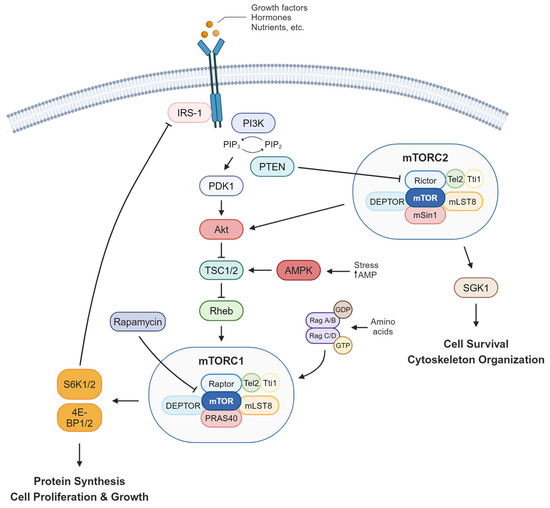
| Caloric restriction/fasting | AMPK activation; autophagy; mTOR suppression | Strong mechanistically; moderate for energy specifically | Weeks |
Source: Livium editorial synthesis based on NIA Exercise and Healthy Aging and Yoshino et al., Nature Aging (2022) NMN RCT.
Plan of action
- Before adding NAD+ precursors, build the exercise foundation. Zone 2 cardio three times per week and resistance training twice per week produce the mitochondrial biogenesis signal that NMN/NR supplements are trying to augment. Supplementing without exercise is building on sand. Exercise first for eight weeks; add NMN or NR only after the base is established.
- If you are on a statin and experiencing fatigue or muscle discomfort, add CoQ10 100 to 200 mg/day before discussing medication changes. NOW Foods CoQ10 200 mg is the standard starting dose. Assess at 8 weeks. If symptoms persist, bring the CoQ10 supplementation to your cardiologist and discuss whether a different statin or dosing schedule is appropriate.
- Check your NAD+ level and related markers (homocysteine, methylation markers) through Function Health. NAD+ testing is available as an add-on panel and gives you a baseline. Spending $80/month on NMN without knowing your baseline NAD+ is an uncontrolled experiment.
- If you do add an NAD+ precursor: Thorne NR (Nicotinamide Riboside) is the most clinically studied form. Take it in the morning. The standard dose used in human trials is 250 to 300 mg/day.
Table of Content

Know your body better.
Trusted By Thousands Daily






FAQs
Is NMN or NR better?
The current human evidence is roughly equal, with more published human trials for NR and more animal data for NMN. NMN has a slightly more direct pathway to NAD+ in some tissues. NR is better studied in humans as of 2025. Both raise blood NAD+ levels. David Sinclair (whose lab at Harvard produced much of the NMN animal research) takes NMN personally; that does not make it better; it makes it his choice. Either form at the studied doses is a reasonable pick.
Does intermittent fasting raise NAD+ as exercise does?
Yes, through AMPK activation. Fasting-induced energy deficit activates AMPK, which upregulates NAD+ production and sirtuin activity through the same pathway that exercise uses. Caloric restriction and fasting are the oldest known longevity interventions partly because of this mechanism. But the energy-enhancing experience of fasting (the post-fast clarity some people report) does not come from higher NAD+ in the short term; it comes from ketone production and reduced inflammatory load. The NAD+ benefit of fasting is chronic and structural, not acute.
Should everyone over 40 be taking NMN or NR?
Not yet, not as a categorical recommendation. The human data is promising but not yet at the strength where a blanket recommendation is justified. A reasonable position: if you are over 45, sleep well, exercise consistently, and have ruled out lab deficiencies, NAD+ precursors are a sensible addition to the longevity stack at a modest cost and with no observed serious safety concerns in clinical trials to date. If you are not doing the sleep and exercise work, the NAD+ precursor is an expensive accessory for an engine that needs maintenance, not decoration.
Legal Disclaimer
The content published on Livium Health is for informational and educational purposes only. Nothing on this site constitutes medical advice, diagnosis, or treatment. Always consult a qualified healthcare provider before making decisions about your health, including changes to medications, supplements, diet, or exercise.
Livium Health is not a medical practice and does not have a patient-provider relationship with its readers. We do not sell supplements, medications, or treatments, and we have no financial relationship with the products or services we reference.
While we work to ensure the information we publish is accurate and up to date, health and medical guidance evolves. We make no guarantees about the completeness or currency of any content on this site. Reliance on any information provided by Livium Health is solely at your own risk.
If you are experiencing a medical emergency, call 911 or your local emergency services immediately.
We may receive compensation, free products, or affiliate commissions for products mentioned in this post. Opinions are our own.