
Share
Energy & Focus
Men's Health
Women's Health
The fatigue that bloodwork keeps missing: What your ferritin number is actually telling you
8 min read
Key takeaways
- Iron deficiency without anemia is common, clinically significant, and almost universally missed because most panels only flag hemoglobin. Ferritin below 30 ng/mL produces fatigue, brain fog, and exercise intolerance long before hemoglobin drops.
- The standard reference range for ferritin goes as low as 10 to 12 ng/mL at most labs. That is a threshold for preventing disease, not a threshold for functional energy and cognitive performance.
- Iron is required for mitochondrial energy production, dopamine and serotonin synthesis, and thyroid hormone conversion. Functional deficiency impairs all three simultaneously.
- Iron supplementation form matters enormously. Iron bisglycinate absorbs at roughly twice the rate of ferrous sulfate with a fraction of the gastrointestinal side effects. Most over-the-counter iron is ferrous sulfate.
Hemoglobin is normal. The fatigue is not
The standard anemia workup checks hemoglobin and hematocrit. Both come back within range. The physician says there is no anemia. The person continues to feel exhausted. Both are true simultaneously and not contradictory, as hemoglobin is a late marker. It falls only after iron stores have been substantially depleted. Ferritin is the early marker. It tells you how much iron the body has in reserve before the production lines start running short.
A person with ferritin of 14 ng/mL and normal hemoglobin does not have anemia by clinical definition. They do have iron deficiency without anemia (IDWA), which is a distinct condition with its own symptom cluster: persistent fatigue disproportionate to activity level, poor exercise tolerance and recovery, difficulty concentrating, cold intolerance, restless legs at night, and hair thinning. These symptoms are well documented in the IDWA literature and respond to iron repletion, even when hemoglobin does not change.
The reference range problem compounds this. Most labs flag ferritin as low only below 10 to 15 ng/mL. Those thresholds were set to identify the risk of anemia, not to define functional sufficiency. Research on cognitive performance and exercise physiology consistently shows impairment at ferritin levels that fall well within the lab’s normal range. A ferritin of 18 ng/mL will not trigger a flag. It will produce symptoms.
What iron does that nothing else can substitute for
Mitochondrial energy production. Iron is a structural component of the electron transport chain complexes in mitochondria. Complexes I, II, and III each contain iron-sulfur clusters that are essential for electron shuttling and ATP generation. When iron is insufficient, these complexes underperform and cellular energy output drops. The fatigue from iron deficiency is not downstream of low hemoglobin. It is a direct mitochondrial energy production deficit that exists at the cellular level before oxygen delivery is impaired.
Dopamine and serotonin synthesis. Tyrosine hydroxylase, the rate-limiting enzyme in dopamine synthesis, is an iron-dependent enzyme. Without adequate iron, dopamine production slows. The subjective experience: motivational flatness, difficulty initiating tasks, reduced reward response. Low iron is one of the less recognized causes of the low-dopamine symptom cluster that is often attributed to depression, burnout, or simple overwork. Serotonin synthesis is also iron-dependent through tryptophan hydroxylase activity.
Thyroid hormone conversion. The deiodinase enzymes that convert T4 to active T3 are selenium-dependent, as covered elsewhere in the Livium library, but they also require adequate iron for full function. Iron deficiency impairs T4-to-T3 conversion through a separate mechanism involving iodoperoxidase activity. This creates an overlap between low ferritin and functional hypothyroid symptoms that looks like thyroid disease but resolves with iron repletion.
Exercise recovery. Iron is required for myoglobin production in muscle tissue and for oxidative phosphorylation during aerobic exercise. People with low ferritin typically have a measurably lower lactate threshold, shorter time to exhaustion, and longer recovery time post-training. The common feeling of being disproportionately wrecked after a workout that should have been manageable is often a ferritin issue.
Who is at risk and why
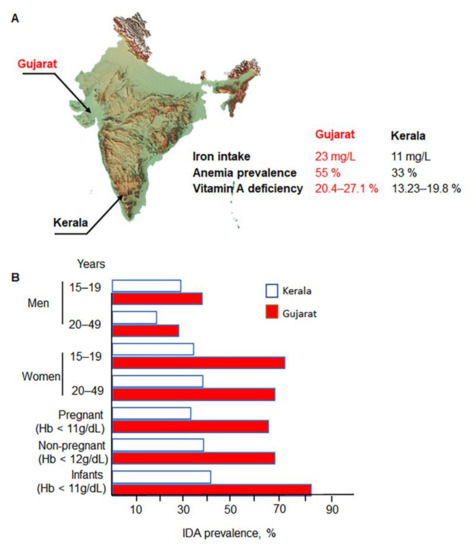
Women with heavy periods. The most common cause of iron deficiency in premenopausal women. Monthly blood loss consistently exceeds dietary iron intake in many women eating a Western diet. A woman losing 80 mL of blood per cycle loses approximately 40 mg of iron, which requires roughly 400 mg of additional dietary iron absorption to replace, assuming a 10 percent absorption rate from food. Most women are not close to that.
Endurance athletes. Distance runners in particular are at risk from foot-strike hemolysis (red blood cell destruction from repeated foot impact), increased iron losses in sweat, and elevated hepcidin production post-exercise that transiently suppresses iron absorption. Elite endurance athletes are screened routinely. Recreational athletes who run 25 to 40 miles per week are not.
Plant-based eaters. Non-heme iron from plant sources is absorbed at 2 to 10 percent efficiency, compared with 15 to 35 percent for heme iron from meat. A vegetarian who eats iron-rich plants may still be iron-insufficient because the form they are consuming does not absorb well. Phytates in whole grains and legumes further inhibit non-heme iron absorption when consumed in the same meal.
People who take PPIs or antacids regularly. Gastric acid is required to convert dietary iron from ferric (Fe3+) to ferrous (Fe2+), the absorbable form. PPIs suppress gastric acid production. Chronic PPI use is associated with significantly reduced iron absorption and a measurable increase in iron deficiency over time.
The Livium recipe
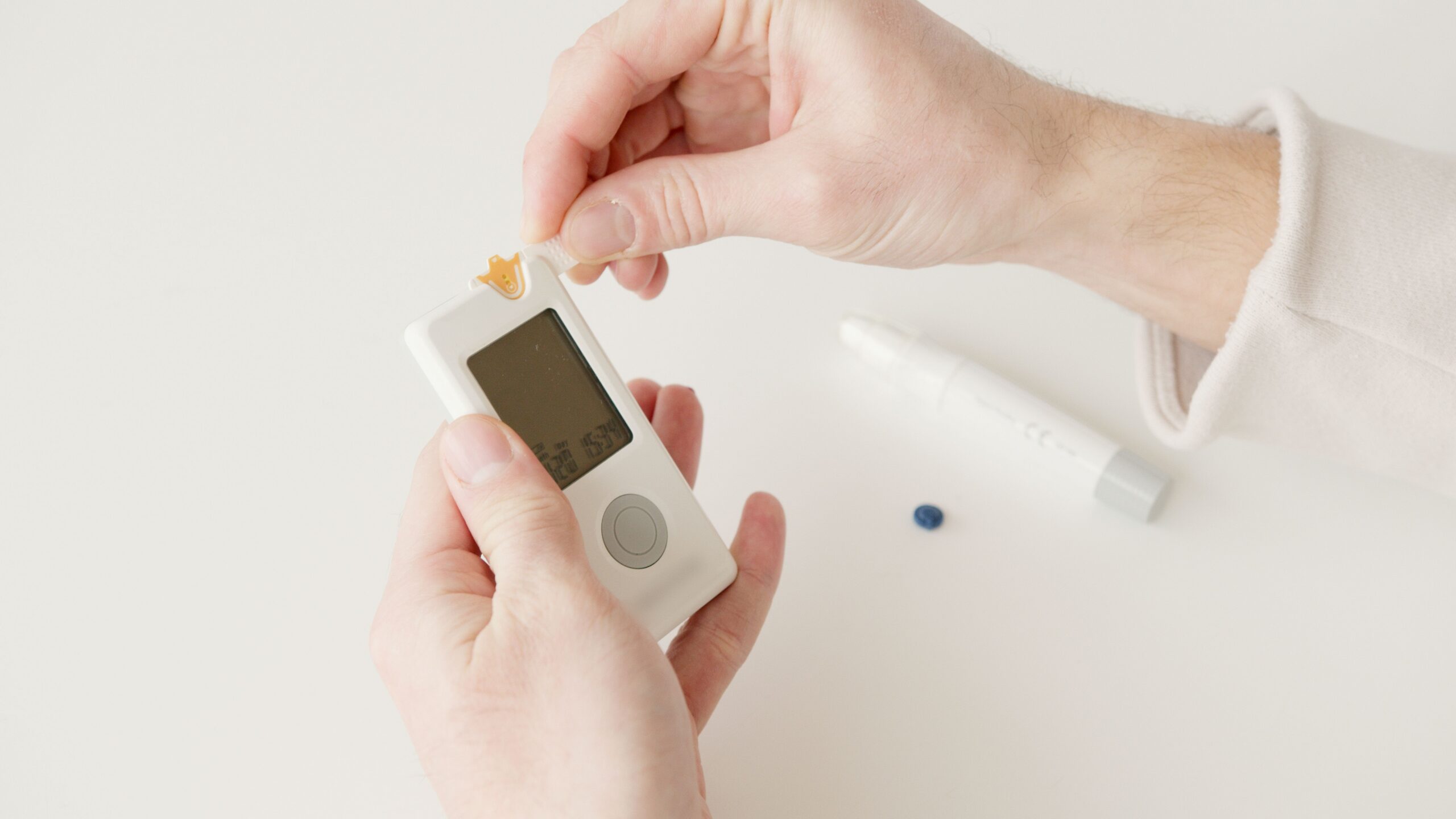
Tool. A blood panel including ferritin, serum iron, total iron-binding capacity (TIBC), transferrin saturation, and a complete blood count. Ferritin alone is the most important single marker, but the full panel distinguishes iron deficiency from the anemia of chronic inflammation, where ferritin can be falsely elevated as an acute-phase reactant. Request ferritin specifically; it is not included in a standard CBC, and many physicians do not order it unless asked.
Behavior. If ferritin is below 50 ng/mL and symptoms are present, supplementation is warranted while dietary sources are optimized. Eat heme iron sources (red meat, oysters, organ meats) three to four times per week. Pair plant-based iron sources with vitamin C at the same meal to improve non-heme iron absorption by up to three-fold. Avoid coffee and tea within one hour of meals, as polyphenols significantly inhibit iron absorption. Avoid calcium supplementation within two hours of iron, as calcium directly competes for the same intestinal transporters.
Threshold. Ferritin above 50 ng/mL is the functional target for energy and cognitive performance. Above 70 to 100 ng/mL is optimal for endurance athletes and people with heavy menstrual losses. Recheck ferritin eight weeks after starting supplementation. Do not continue supplementing beyond confirmed deficiency without monitoring, as iron overload is a real risk in men and postmenopausal women without a regular blood loss mechanism.
Iron supplement forms and why they are not interchangeable
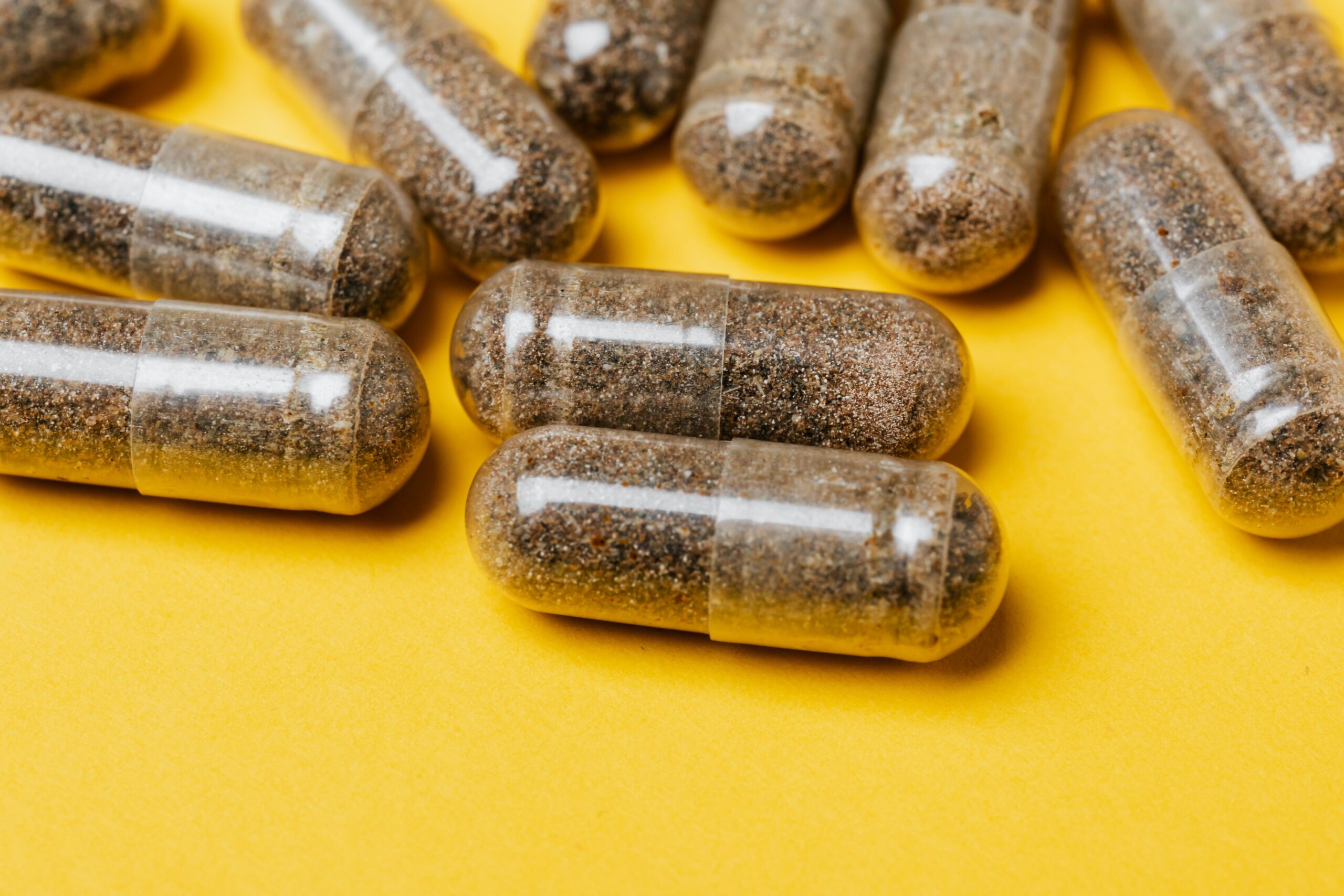
Ferrous sulfate is the default over-the-counter iron supplement. It is cheap, absorbed at roughly 10 to 20 percent efficiency, and produces constipation, nausea, and dark stools in a significant proportion of users. Many people stop taking it within two weeks. Garden of Life Vitamin Code Iron provides iron from whole food sources in a form that is significantly gentler on the digestive system and absorbed more efficiently than ferrous sulfate at equivalent doses.
For liquid iron, which bypasses some of the gastrointestinal issues associated with tablet forms, Floradix Liquid Iron is a well-absorbed, plant-based liquid formula widely used in Europe and has a long clinical track record of tolerability. Suitable for people who cannot tolerate tablet-form iron at all.
Vitamin C taken alongside iron dramatically improves non-heme iron absorption through reduction of ferric to ferrous iron in the gut. NOW Vitamin C 1,000 mg taken with the iron supplement is the simplest way to implement this. The absorption boost is meaningful; studies show a two- to three-fold improvement in non-heme iron absorption when 200 mg or more of vitamin C is co-administered.
For a comprehensive formula that covers iron alongside its cofactors, Seeking Health Optimal Iron Plus Cofactors combines iron bisglycinate with vitamin C, B12, and folate in a single capsule, addressing the most common nutrient combinations that support iron metabolism.
Ferritin ranges: what the lab says versus what the research supports
| Ferritin level | Lab interpretation | Functional reality | Action |
|---|---|---|---|
| Below 12–15 ng/mL | Flagged as low | Severe depletion; anemia likely developing | Clinical referral; supervised repletion |
| 15–30 ng/mL | Within normal range | Iron deficiency without anemia; significant symptoms common | Supplement and optimize diet; recheck in 8 weeks |
| 30–50 ng/mL | Normal | Suboptimal for performance; some symptoms possible | Dietary optimization; consider supplementing if symptomatic |
| 50–100 ng/mL | Normal | Functional range for energy and cognitive performance | Maintain through diet; no supplementation needed |
| Above 200 ng/mL | Normal (in many labs) | Possible iron overload or inflammation marker, investigate | Rule out hemochromatosis and chronic inflammation |
Source: Livium editorial synthesis based on NIDDK Iron Deficiency Anemia guidance and Soppi, E.T., Clinical Medicine (2018), Iron deficiency without anemia.
Plan of action
- Request ferritin specifically at the next lab visit. It is not included in a standard CBC. Ask for ferritin, serum iron, and transferrin saturation together.
- If ferritin is below 50 ng/mL and symptoms match, start a tolerable iron supplement alongside vitamin C. Recheck ferritin in eight weeks before continuing.
- Optimize dietary iron by pairing plant sources with vitamin C, avoiding coffee and tea within one hour of iron-rich meals, and adding heme iron sources three to four times per week if diet allows.
- If ferritin is above 200 ng/mL, do not supplement. Elevated ferritin can indicate iron overload or systemic inflammation, and adding iron in either case can cause harm.
Table of Content

Know your body better.
Trusted By Thousands Daily




FAQs
Can men have iron deficiency?
Yes, though it is less common than in premenopausal women because men have no regular blood loss mechanism. In men, iron deficiency usually results from poor dietary intake, malabsorption (e.g., celiac disease, PPI use, inflammatory bowel disease), or gastrointestinal blood loss. A new finding of iron deficiency in an adult man warrants investigation for a GI source before simply supplementing.
How long does iron repletion take?
Ferritin typically rises meaningfully within four to eight weeks of consistent supplementation with a well-absorbed form. Subjective energy improvement often precedes lab improvement, sometimes within 2 to 3 weeks. Full repletion to a target of 50 to 70 ng/mL from a very low baseline can take three to six months. Do not stop supplementing as soon as symptoms improve; continue until the ferritin target is confirmed on a recheck panel.
Does restless legs syndrome connect to iron deficiency?
Yes, and this connection is underappreciated. Iron is required for dopamine receptor function in the spinal cord, and iron deficiency is one of the most consistent findings in restless legs syndrome (RLS). Multiple studies show that ferritin below 50 ng/mL worsens RLS symptoms, and iron repletion reduces RLS severity in iron-deficient adults even when hemoglobin is normal. If RLS and fatigue are both present, ferritin is the first test worth running.
Legal Disclaimer
The content published on Livium Health is for informational and educational purposes only. Nothing on this site constitutes medical advice, diagnosis, or treatment. Always consult a qualified healthcare provider before making decisions about your health, including changes to medications, supplements, diet, or exercise.
Livium Health is not a medical practice and does not have a patient-provider relationship with its readers. We do not sell supplements, medications, or treatments, and we have no financial relationship with the products or services we reference.
While we work to ensure the information we publish is accurate and up to date, health and medical guidance evolves. We make no guarantees about the completeness or currency of any content on this site. Reliance on any information provided by Livium Health is solely at your own risk.
If you are experiencing a medical emergency, call 911 or your local emergency services immediately.
We may receive compensation, free products, or affiliate commissions for products mentioned in this post. Opinions are our own.