
Share
Men's Health
Sleep
Women's Health
The inflammation that is keeping you awake
6 min read
Key takeaways
- Elevated systemic inflammation, measurable as high-sensitivity C-reactive protein (hs-CRP) above 1 mg/L, independently fragments sleep and increases nighttime cortisol in ways that are indistinguishable from primary insomnia.
- The relationship runs in both directions. Poor sleep raises inflammatory markers. Elevated inflammation worsens sleep. The loop compounds over years.
- Most sleep workups do not include an inflammatory marker panel. It is one of the most commonly missed upstream causes of chronic sleep maintenance problems in midlife adults.
- Tart cherry, curcumin, and resveratrol each have clinical evidence for reducing sleep-relevant inflammatory markers. None of them are as strong as the dietary and exercise interventions but they are additive.
The sleep problem that shows up on a blood test
Not every sleep problem is a brain problem. Some are a blood problem. Specifically, the kind of blood problem that shows up as hs-CRP above 1 mg/L, IL-6 trending upward, and TNF-alpha elevated. These are markers of systemic low-grade inflammation, the chronic, non-infectious variety that accumulates from poor diet, excess visceral fat, sleep restriction itself, and metabolic dysfunction.
The connection between inflammation and sleep disruption was clearly established in the 2000s and has since been replicated in dozens of studies. Elevated inflammatory cytokines, particularly IL-6 and TNF-alpha, act on the hypothalamus and brainstem to fragment slow-wave sleep, increase nighttime cortisol, and shorten the duration of restorative sleep stages. The mechanism is independent of underlying conditions. You do not need to be sick for inflammation to wreck sleep. You just need hs-CRP to be above the threshold at which the sleep architecture effects become measurable.
The reverse direction is equally established. A 2019 meta-analysis in Sleep Medicine Reviews covering 72 studies found that experimental sleep deprivation reliably raises CRP, IL-6, and TNF-alpha in healthy adults. One bad night produces a measurable inflammatory response. Chronic sleep restriction produces a chronically elevated inflammatory state. The loop runs in both directions simultaneously, which is why it is so difficult to interrupt without addressing both sides.
What drives the inflammation
Visceral adipose tissue. Fat stored around the abdominal organs is metabolically active in a way that subcutaneous fat is not. It releases IL-6 and TNF-alpha continuously as part of normal adipokine signaling. This is why abdominal obesity correlates with sleep problems independent of sleep apnea. The fat itself is pro-inflammatory at rest.
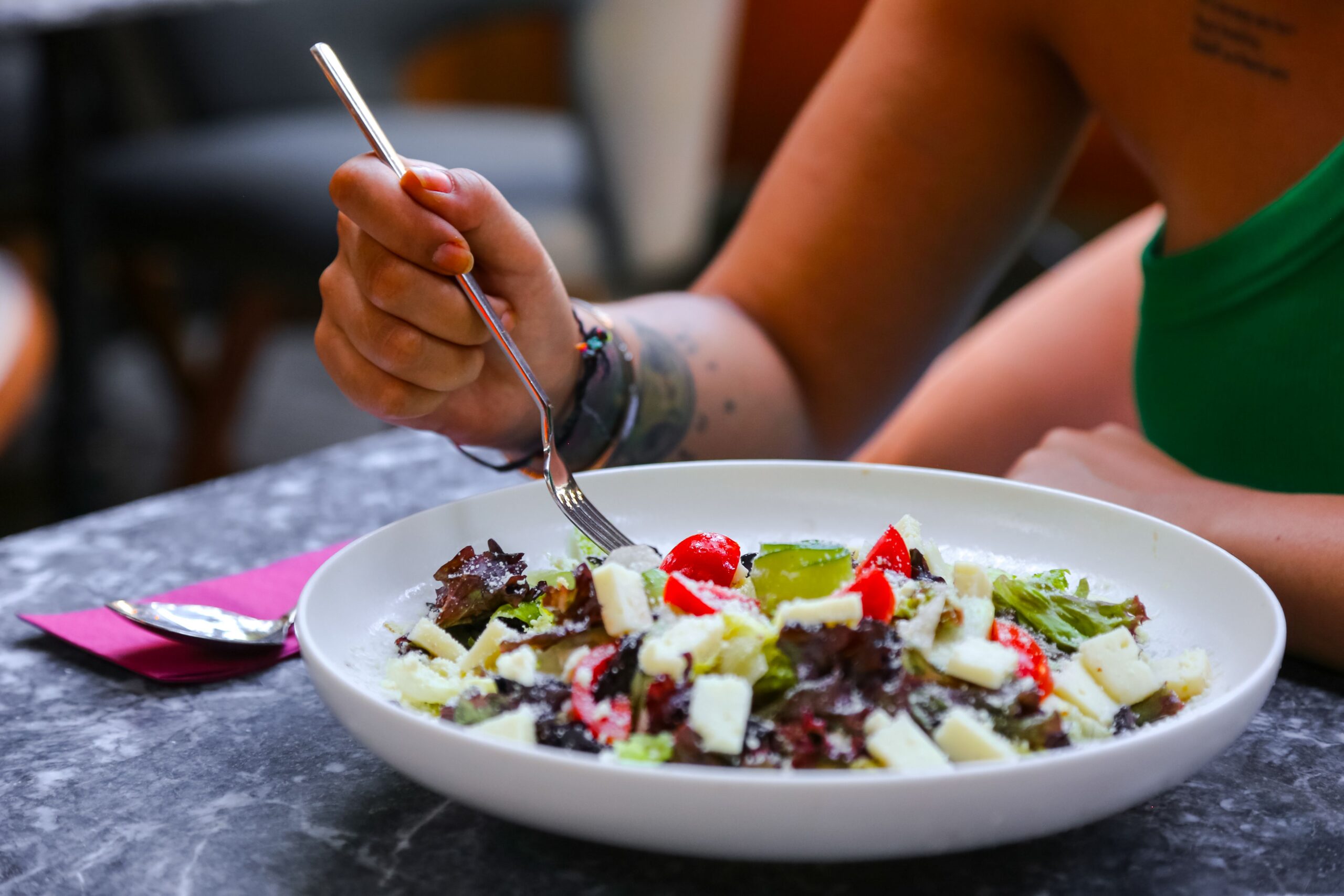
Dietary pattern. Ultra-processed food, refined carbohydrates, seed oils, and insufficient fiber each independently raise inflammatory markers. The Mediterranean dietary pattern, characterized by whole grains, vegetables, olive oil, fish, and legumes, is the most consistently anti-inflammatory dietary pattern in the human literature and the one with the most sleep-specific evidence.
Periodontal disease. Underrated driver of systemic CRP elevation. Gum disease produces a chronic oral infection that leaks inflammatory cytokines into the bloodstream. Adults with periodontitis have measurably higher CRP than those without, and treating the dental disease reduces CRP. Worth checking at the next dental cleaning if sleep and inflammatory markers are both problems.
Chronic psychological stress. Persistent psychological stress activates the HPA axis, raising cortisol, which in turn raises CRP. The inflammatory effects of chronic stress are measurable within weeks of its onset and reverse over months of stress reduction. This is the mechanism by which psychological state produces physical sleep disruption rather than just behavioral changes in sleep habits.
The Livium recipe
Tool. A blood panel including hs-CRP, IL-6, and ferritin. These three together tell the inflammatory story more completely than any single marker. An hs-CRP above 1.0 mg/L in the context of sleep maintenance problems is a signal to address inflammation directly rather than to add more sleep hygiene interventions. Request the high-sensitivity CRP version specifically; the standard CRP test is not sensitive enough to detect the low-grade inflammation relevant here.
Behavior. The two dietary changes with the strongest and most immediate effect on inflammatory markers are eliminating ultra-processed food and adding 30 grams of fiber per day from whole plant sources. Neither is a supplement protocol. Both measurably lower hs-CRP within four to eight weeks. Add 150 minutes of moderate-intensity aerobic exercise per week. Zone 2 training (conversational pace) reliably reduces CRP in adults who are sedentary at baseline, typically within six to eight weeks of consistent practice.
Threshold. hs-CRP below 1.0 mg/L is the target. Below 0.5 mg/L is optimal. At that level, the inflammatory disruption of sleep architecture is below the threshold where cytokine effects on the hypothalamus and brainstem become measurable. Recheck hs-CRP at eight weeks after implementing dietary and exercise changes, then at six months.
The supplement evidence
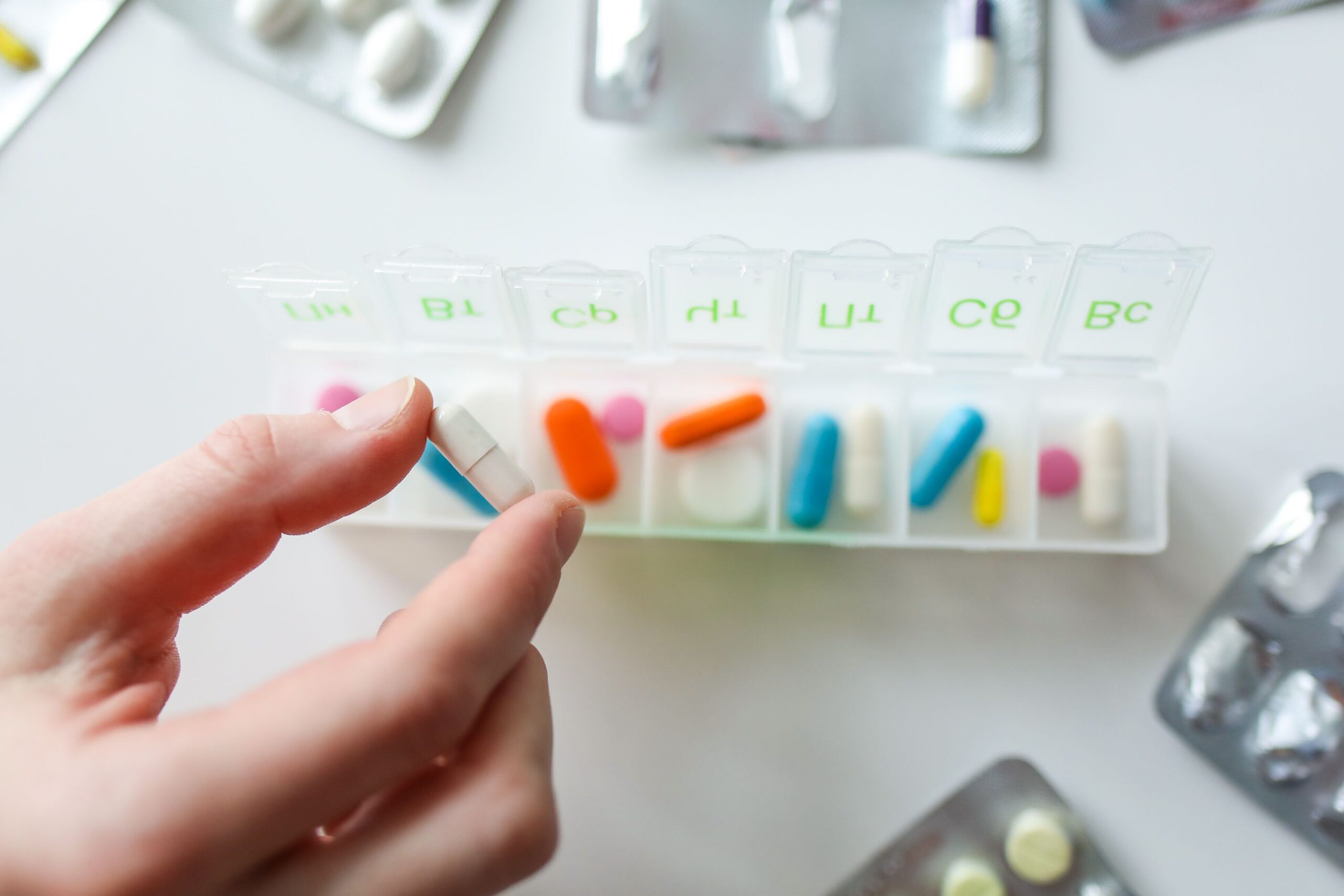
Tart cherry concentrate. The most direct sleep-and-inflammation supplement with human RCT data. Tart cherries contain both melatonin and anthocyanins, which have measurable anti-inflammatory effects. A 2012 study in the European Journal of Nutrition showed that tart cherry juice increased melatonin levels and improved sleep duration and quality versus placebo. The anthocyanin content also reduces IL-6 and CRP in multiple trials. Tart cherry juice concentrate at 30 mL in water before bed is the studied dose.
Theracurmin curcumin. Standard curcumin has notoriously poor bioavailability. Theracurmin is a colloidal form with absorption roughly 27 times higher than standard curcumin. At 90 mg of Theracurmin, reductions in hs-CRP have been shown in multiple studies in adults with elevated baseline inflammation. Theracurmin is the specific form worth using. Generic curcumin with black pepper extract is cheaper but significantly less effective.
Resveratrol with NAD+ support. Resveratrol activates SIRT1, a sirtuin that downregulates NF-kB, the master inflammatory signaling pathway. The combination of resveratrol with NAD+ precursors addresses both the inflammatory and the mitochondrial dimensions of sleep disruption simultaneously. Thorne ResveraCel combines resveratrol, NR, and quercetin in a single formula.
Quercetin with bromelain. Quercetin is a flavonoid with consistent evidence of anti-inflammatory activity, but, like curcumin, its absorption is poor without an absorption enhancer. Bromelain, the pineapple enzyme, significantly improves quercetin bioavailability. Quercetin with bromelain at 500 mg quercetin twice daily is the format used in the hs-CRP reduction trials.
Inflammatory markers and sleep: what to test and what to target
| Marker | Sleep disruption threshold | Optimal target | Primary interventions |
|---|---|---|---|
| hs-CRP | Above 1.0 mg/L | Below 0.5 mg/L | Anti-inflammatory diet, Zone 2 exercise, curcumin |
| IL-6 | Above 2.0 pg/mL | Below 1.0 pg/mL | Visceral fat reduction, omega-3s, sleep itself |
| Ferritin | Above 200 ng/mL (inflammatory signal); below 30 ng/mL (deficiency signal) | 50 to 100 ng/mL | Treat root cause (deficiency or inflammation) |
Source: Livium editorial synthesis based on NHLBI Sleep Research and Irwin et al., Sleep Medicine Reviews (2019), Sleep disturbance, sleep duration, and inflammation.
Plan of action
- Get an hs-CRP test. Request the high-sensitivity version specifically. A result above 1.0 mg/L alongside sleep maintenance problems is a signal to address inflammation first, not to add more sleep supplements on top of an inflammatory state.
- Remove ultra-processed food from the diet for four weeks and add 150 minutes of Zone 2 exercise per week. These are the two interventions that move hs-CRP fastest.
- Add tart cherry concentrate 30 mL before bed during the first four weeks. It addresses both the melatonin and inflammatory dimensions simultaneously.
- Recheck hs-CRP at eight weeks. If still above 1.0 mg/L, add Theracurmin as a second anti-inflammatory intervention. Bioavailability matters more than dose with curcumin.
Table of Content
Know your body better.
Trusted By Thousands Daily


FAQs
Does hs-CRP need to be high for inflammation to affect sleep?
The sleep disruption effects of cytokines are measurable at relatively low levels of systemic inflammation. CRP between 1.0 and 3.0 mg/L (the moderate-risk range rather than the high-risk range) is associated with measurable sleep fragmentation. Clinical risk thresholds for cardiovascular disease are set at different levels than the sleep architecture sensitivity thresholds.
Can better sleep reduce inflammation by itself?
Yes, this is the entry point to interrupt the loop. Addressing sleep directly (through whatever combination of behavioral, environmental, and clinical interventions is appropriate) produces measurable reductions in IL-6 and CRP within weeks. The inflammation-sleep relationship is bidirectional and responsive to intervention from either direction.
How long does it take for anti-inflammatory dietary changes to improve sleep?
The inflammatory marker changes (hs-CRP reduction) from dietary improvements typically emerge within four to eight weeks. Sleep architecture improvements tend to follow the marker changes rather than precede them. The subjective sense of improved sleep quality often lags the objective change in deep sleep percentage by another two to four weeks. The full benefit of dietary anti-inflammatory interventions on sleep usually takes two to three months to manifest completely.
Legal Disclaimer
The content published on Livium Health is for informational and educational purposes only. Nothing on this site constitutes medical advice, diagnosis, or treatment. Always consult a qualified healthcare provider before making decisions about your health, including changes to medications, supplements, diet, or exercise.
Livium Health is not a medical practice and does not have a patient-provider relationship with its readers. We do not sell supplements, medications, or treatments, and we have no financial relationship with the products or services we reference.
While we work to ensure the information we publish is accurate and up to date, health and medical guidance evolves. We make no guarantees about the completeness or currency of any content on this site. Reliance on any information provided by Livium Health is solely at your own risk.
If you are experiencing a medical emergency, call 911 or your local emergency services immediately.
We may receive compensation, free products, or affiliate commissions for products mentioned in this post. Opinions are our own.