The microbiome-mood connection: Why your gut bacteria are running your emotional state
6 min read
Key takeaways
Approximately 90 percent of the body’s serotonin is produced in the gut, not the brain. The gut microbiome directly regulates this production through the tryptophan-serotonin pathway, making bacterial composition a meaningful determinant of mood biology.
Specific bacterial genera (Lactobacillus, Bifidobacterium) and the short-chain fatty acids they produce modulate the vagus nerve, reduce systemic inflammation, and influence GABA and dopamine production through distinct mechanisms.
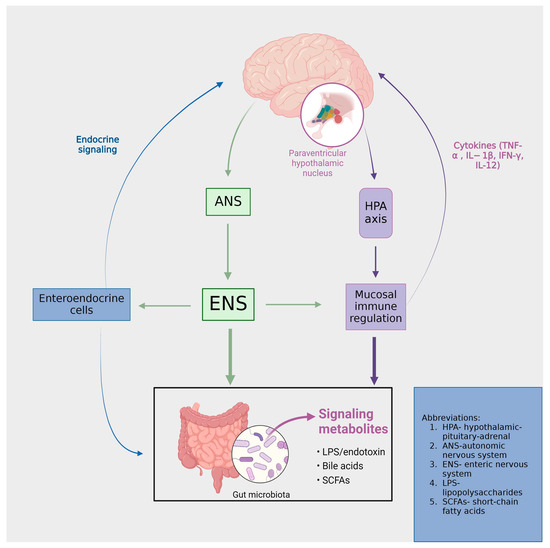
The gut-brain axis runs bidirectionally. Stress and anxiety disrupt the microbiome within 24 to 48 hours through cortisol-mediated changes in gut motility and permeability. A dysbiotic gut amplifies the stress response. The relationship is a loop, not a one-way street.
Dietary interventions that support Lactobacillus and Bifidobacterium populations produce measurable improvements in anxiety and depression scores within six to eight weeks in multiple published RCTs.
The brain in the gut, and what it is broadcasting to the brain in the skull
The enteric nervous system, the neural network embedded in the gut wall, contains more neurons than the spinal cord. It communicates with the brain via the vagus nerve, which carries signals predominantly from gut to brain (80 percent afferent) rather than from brain to gut. The brain is receiving a continuous broadcast from the gut. What is being broadcast depends substantially on what is living in the gut.
The gut microbiome influences this broadcast through multiple simultaneous channels. It regulates enterochromaffin cell serotonin production in the gut lining, producing approximately 90 percent of the body’s total serotonin. It produces short-chain fatty acids (SCFAs) including butyrate, propionate, and acetate that cross the blood-brain barrier and modulate neurotransmitter synthesis, neuroinflammation, and hippocampal neurogenesis. It regulates intestinal permeability, determining how much bacterial lipopolysaccharide (LPS) enters systemic circulation and reaches the brain to activate neuroinflammatory pathways.
Lactobacillus rhamnosus. The most studied psychobiotic strain. In John Cryan’s landmark 2011 mouse study and subsequent human work, L. rhamnosus reduced anxiety behavior and altered GABA receptor expression in the brain via the vagus nerve. Human RCTs in healthy adults show L. rhamnosus supplementation reduces cortisol and improves psychological wellbeing measures.
Lactobacillus helveticus and Bifidobacterium longum. The combination studied in the landmark 2011 Messaoudi RCT in healthy volunteers: 30 days of supplementation reduced cortisol, anxiety, depression, and anger scores compared to placebo. This combination is now available in multiple commercial formulations and has one of the strongest evidence bases among psychobiotic combinations.
Bifidobacterium longum 1714. APC Microbiome Ireland strain with multiple human RCT data showing reduced stress and improved memory in healthy adults under cognitive stress testing. Specifically reduces cortisol awakening response and improves subjective wellbeing in adults under exam stress.
Akkermansia muciniphila. Strongly associated with metabolic health and the anti-inflammatory gut barrier function that prevents LPS leakage into systemic circulation. Lower Akkermansia levels are consistently associated with depression and anxiety in observational studies. Pasteurized Akkermansia (to survive GI transit) is now commercially available.
The Livium recipe
Tool. A gut microbiome test (Viome, Ombre, or Thorne Gut Health Test) provides a personalized baseline of bacterial composition, identifying specific deficiencies in Lactobacillus, Bifidobacterium, and butyrate-producing species. The results guide targeted dietary and probiotic interventions more precisely than generic supplementation. Not required before starting, but worth adding for anyone with significant mood symptoms who wants to verify the gut component specifically.
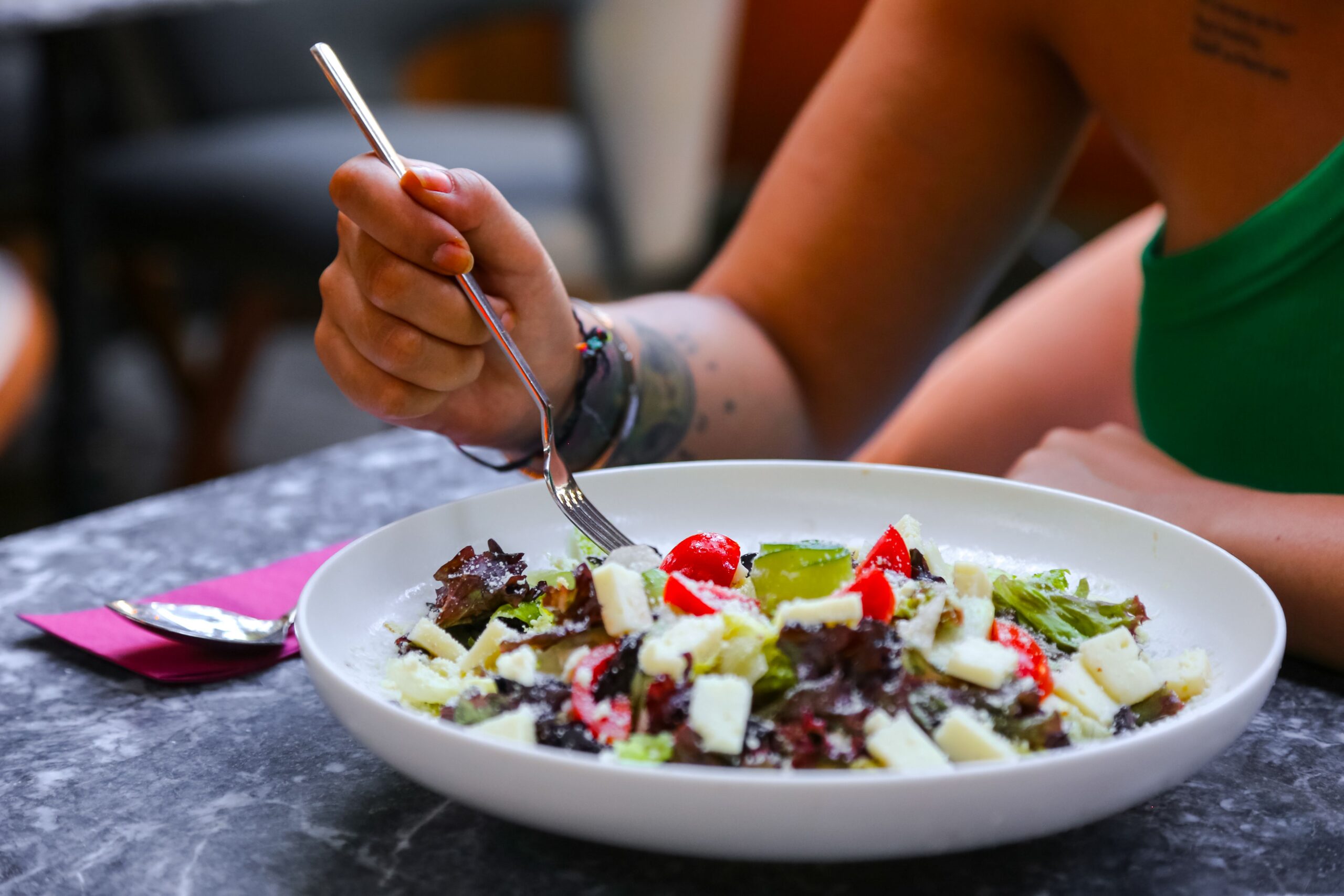
Behavior. The dietary intervention with the most consistent evidence for microbiome-mediated mood improvement is a Mediterranean dietary pattern high in polyphenols, fermented foods, prebiotic fiber, and low in ultra-processed food. The 2017 SMILES trial by Felice Jacka showed dietary intervention alone reducing depression scores significantly in a clinical population in 12 weeks. Add two to four servings of fermented foods (yogurt, kefir, kimchi, sauerkraut, miso) daily. Add 25 to 38 grams of prebiotic fiber daily from vegetables, legumes, and whole grains to feed the mood-supporting species.
Threshold. Six to eight weeks of dietary change plus targeted probiotic supplementation: measurable changes in anxiety and mood scores on validated instruments (GAD-7, PHQ-9). The microbiome changes faster than the brain changes: composition shifts begin within two weeks of dietary intervention. Mood symptom improvement typically follows at four to six weeks as the neurobiological consequences of improved microbial composition accumulate.
The psychobiotic supplement layer
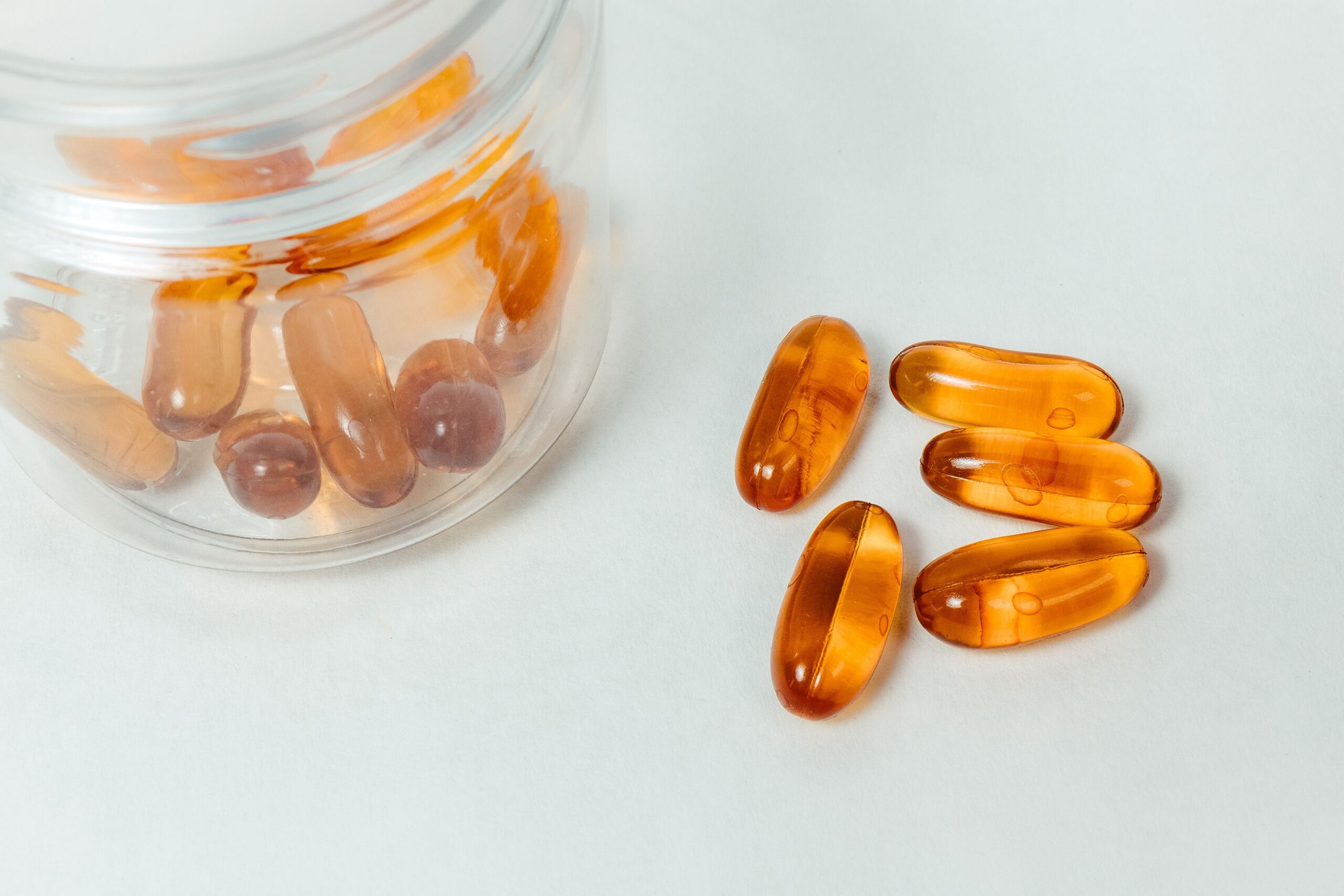
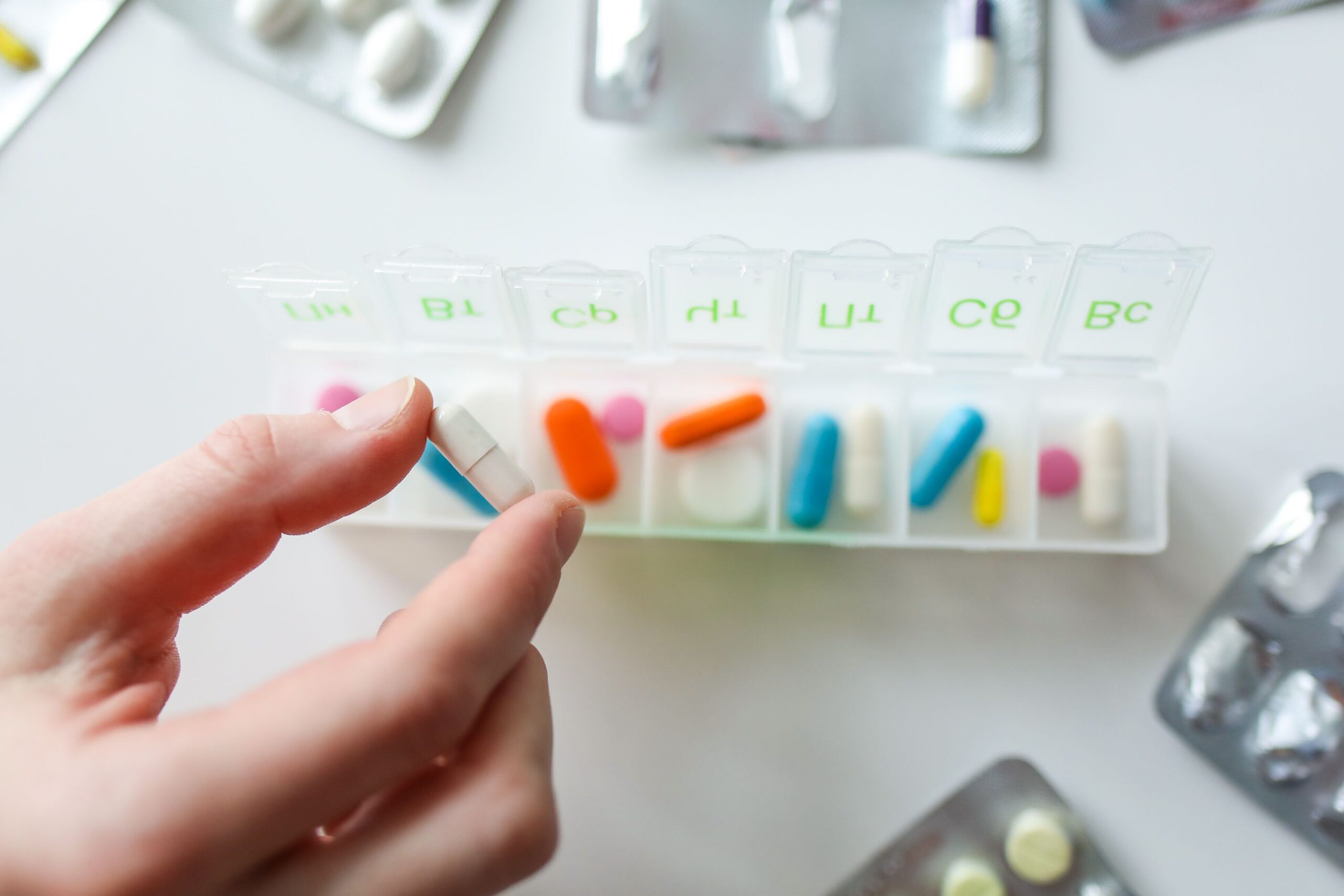
Garden of Life Dr. Formulated Probiotics Mood+ specifically combines Lactobacillus helveticus R0052 and Bifidobacterium longum R0175, the Messaoudi trial combination, with ashwagandha for the cortisol-modulating component. This is the most directly evidence-aligned commercial psychobiotic formula available. Orgain Prebiotic Greens provides the prebiotic substrate that psychobiotic strains require to establish and maintain colonization: inulin, FOS, and concentrated polyphenols that selectively feed Lactobacillus and Bifidobacterium species.
Life Extension Florassist Mood provides the L. helveticus and B. longum combination in an enteric-coated capsule that survives gastric acid transit, ensuring the strains reach the colon where they exert their psychobiotic effects. Enteric coating matters for psychobiotic strains: uncoated capsules lose a significant proportion of colony-forming units in the stomach before reaching the target environment. Thorne FloraSport 20B provides a high-potency, multi-strain formula containing Lactobacillus acidophilus, L. paracasei, and Bifidobacterium lactis at 20 billion CFU for comprehensive restoration of Lactobacillus and Bifidobacterium after antibiotic disruption or a period of poor dietary quality.
Gut microbiome disruptors versus supporters for mood
Factor
Effect on mood-relevant microbiome
Mood mechanism
Ultra-processed food diet
Reduces Lactobacillus and Bifidobacterium; reduces diversity
Add one fermented food daily this week. Yogurt with live cultures, kefir, kimchi, sauerkraut, or miso. This alone begins shifting the microbiome in a direction that supports Lactobacillus diversity within two weeks.
Start a targeted psychobiotic formula. The L. helveticus plus B. longum combination has the strongest human evidence for mood outcomes. Run it for eight weeks before evaluating.
Track mood with the GAD-7 or PHQ-9 at weeks zero and eight. The dietary and probiotic intervention timelines are well enough characterized that before-and-after comparison is informative.
Recognize that stress management is not separate from gut health management for mood. Cortisol disrupts the gut microbiome within 24 hours. The breathwork, sleep, and cortisol management interventions covered elsewhere in this library are simultaneously microbiome interventions.
No. The psychobiotic and dietary evidence is strongest for subclinical anxiety and mild depression, and as an adjunct to primary treatment in moderate depression. For moderate to severe depression, gut-directed interventions are additive rather than substitutive. Do not stop medication to trial gut interventions; add them alongside existing treatment and reassess with the prescribing physician after six to eight weeks.
Is the gut-brain connection different for women?+
Yes. Sex hormones significantly modulate the microbiome, and the microbiome in turn modulates estrogen metabolism through the estrobolome (the subset of gut bacteria that metabolize estrogen). Perimenopausal changes alter microbial composition in ways that reduce Lactobacillus populations and increase pro-inflammatory species. This is one mechanism by which perimenopausal women experience not just hormonal mood changes but gut-mediated mood changes simultaneously.
How long does the microbiome take to change?+
Bacterial composition begins shifting within two weeks of meaningful dietary change. Probiotic supplementation produces measurable compositional changes within four weeks. Reversion to the prior composition typically occurs within two to four weeks of stopping dietary interventions, which is why sustained dietary change rather than probiotic supplementation alone is the more durable intervention. Probiotic supplementation without prebiotic dietary support produces transient rather than sustained colonization changes.
Legal Disclaimer
The content published on Livium Health is for informational and educational purposes only. Nothing on this site constitutes medical advice, diagnosis, or treatment. Always consult a qualified healthcare provider before making decisions about your health, including changes to medications, supplements, diet, or exercise.
Livium Health is not a medical practice and does not have a patient-provider relationship with its readers. We do not sell supplements, medications, or treatments, and we have no financial relationship with the products or services we reference.
While we work to ensure the information we publish is accurate and up to date, health and medical guidance evolves. We make no guarantees about the completeness or currency of any content on this site. Reliance on any information provided by Livium Health is solely at your own risk.
If you are experiencing a medical emergency, call 911 or your local emergency services immediately.
We may receive compensation, free products, or affiliate commissions for products mentioned in this post. Opinions are our own.