
Share
Men's Health
Mental Health
Women's Health
The midlife depression that is not depression
6 min read
Key takeaways
- Low testosterone, low ferritin, subclinical hypothyroidism, obstructive sleep apnea, and chronic systemic inflammation each produce a symptom profile that scores positive on standard depression screening tools but responds poorly to antidepressants.
- The PHQ-9 and GAD-7 questionnaires that most GPs use to diagnose depression cannot distinguish between primary depression and the depression-mimicking syndrome produced by any of these underlying conditions.
- Starting an SSRI before ruling out physiological causes is not just ineffective. It delays the identification and treatment of the actual driver by months or years.
- A targeted blood panel covering the five most common physiological mimics takes one blood draw and changes the treatment algorithm substantially.
The PHQ-9 came back positive. The antidepressant is not working
A significant proportion of adults who are prescribed antidepressants do not have primary depressive disorder. They have a physiological condition that produces depressive symptoms. The screening tool cannot tell the difference. Neither, often, can a 15-minute primary care appointment.
Research suggests that roughly 30 to 40 percent of people who meet diagnostic criteria for depression have a significant underlying medical condition driving or substantially worsening the presentation. In midlife adults specifically, the five highest-yield physiological mimics are low testosterone (men and women), iron deficiency, subclinical hypothyroidism, obstructive sleep apnea, and systemic inflammation. Each of these produces fatigue, motivational flatness, cognitive slowing, sleep disruption, and low mood. Each of them responds to targeted physiological treatment rather than monoamine modulation.
The five physiological mimics
Low testosterone. Both men and women require testosterone for motivation, drive, reward response, and cognitive energy. In men, free testosterone below 50 pg/mL produces a symptom cluster scored as moderate depression on the PHQ-9. In perimenopausal women, declining testosterone contributes to fatigue, flat affect, and reduced motivation alongside the more discussed estrogen effects. The PHQ-9 cannot detect that testosterone is driving the score.
Iron deficiency (ferritin below 30 ng/mL). Iron is a cofactor in dopamine and serotonin synthesis. Low ferritin impairs both neurotransmitter production pathways simultaneously. The result is a low-mood, low-motivation state that is biochemically identical to dopamine/serotonin deficiency whether the cause is a neurotransmitter reuptake problem or a substrate shortage. SSRIs address the reuptake step. They do nothing about the substrate shortage.
Subclinical hypothyroidism. Free T3 below 2.8 pg/mL with normal TSH produces cognitive slowing, fatigue, cold intolerance, constipation, and low mood in many adults. This presentation overlaps substantially with atypical depression. A TSH-only thyroid test, the standard of care in primary care, will miss this entirely. Free T3 must be specifically ordered.
Obstructive sleep apnea. Adults with undiagnosed OSA wake dozens of times per night at a subconscious level to resume breathing. The result is profound non-restorative sleep despite adequate total sleep time. The daytime consequences- fatigue, cognitive fog, low mood, irritability, and reduced motivation- score positive on every depression screening instrument. OSA is present in an estimated 20 to 30 percent of adults over 40, and the majority are undiagnosed.
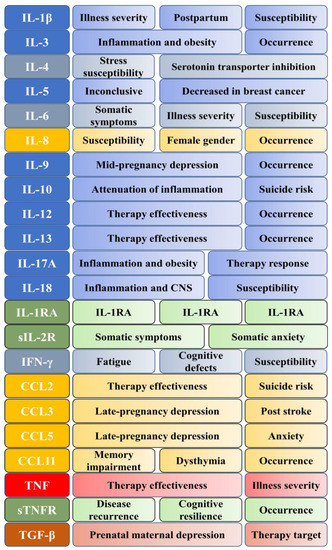
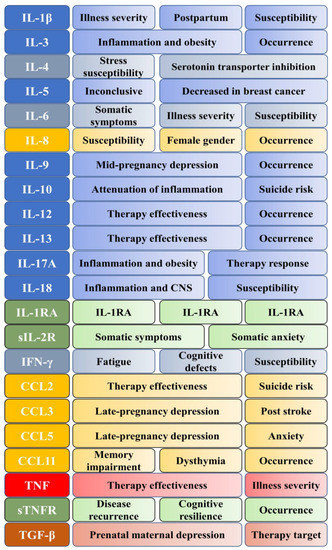
Systemic inflammation (elevated hs-CRP). Pro-inflammatory cytokines including IL-6 and TNF-alpha cross the blood-brain barrier and activate microglial cells in ways that reduce serotonin availability, impair dopamine reward circuitry, and produce a behaviorally withdrawn, low-energy, low-motivation state that Emory psychiatrist Andrew Miller’s research group has characterized as “sickness behavior” and which is indistinguishable from depression on behavioral measures.
The Livium recipe
Tool. A targeted panel covering all five mimics in a single blood draw: free testosterone and SHBG; ferritin and serum iron; free T3 and TSH; hs-CRP and IL-6; and fasting glucose and insulin. Add a home sleep test if snoring, witnessed apneas, or non-restorative sleep is part of the picture. This panel costs $200 to $400 at most direct-pay labs and takes one morning to complete. It should precede any antidepressant prescription in a midlife adult with a new or worsening depression presentation.
Behavior. If any of the five mimics are present, address the physiological driver specifically before or alongside any psychological treatment. Low ferritin responds to iron supplementation within four to eight weeks. Subclinical hypothyroidism responds to selenium, iodine, and zinc optimization within eight to twelve weeks before requiring medication. Inflammation responds to dietary change and Zone 2 exercise within six to eight weeks. Testosterone responds to both lifestyle intervention and clinical treatment depending on severity. OSA responds to CPAP or Zepbound.
Threshold. After addressing the identified physiological mimic for 12 weeks: repeat the PHQ-9. If the score has normalized alongside the corrected biomarkers, the depression was physiologically driven. If the PHQ-9 remains elevated despite corrected biomarkers, primary depressive disorder is more likely and warrants the full clinical conversation including therapy and medication.
The nutritional support layer
While the physiological driver is being addressed, several nutritional interventions support neurotransmitter function during the recovery period. Thorne 5-HTP 100 mg provides a direct serotonin precursor that bypasses the tryptophan hydroxylase conversion step and raises serotonin availability within hours rather than weeks. It is not a substitute for addressing the underlying driver but can reduce symptom severity during the waiting period.
Life Extension Optimized Folate (L-methylfolate, the active form) is required for the methylation reactions that convert tryptophan to serotonin and tyrosine to dopamine. A meaningful proportion of the population carries MTHFR gene variants that impair folate conversion, making standard folic acid supplementation ineffective. Methylfolate bypasses this bottleneck. It is the most directly evidence-supported nutritional intervention for treatment-resistant depression in people with MTHFR variants.
Nordic Naturals ProOmega 2000 at 2,000 mg EPA/DHA daily reduces systemic inflammation and supports neuronal membrane fluidity, both of which are relevant when inflammation is driving the depressive presentation. The EPA component specifically has the strongest antidepressant evidence among omega-3 fractions. Pure Encapsulations SAMe is a methyl donor that supports neurotransmitter synthesis and has the strongest evidence among nutritional supplements as a monotherapy for mild to moderate depression, with multiple European studies showing effect sizes comparable to low-dose antidepressants.
The five mimics: what to test and what to look for
| Mimic | Marker to test | Action threshold | First intervention |
|---|---|---|---|
| Low testosterone | Free testosterone + SHBG | Free T below 50 pg/mL (M); below 1.5 pg/mL (F) | Lifestyle protocol; hormone-aware physician |
| Iron deficiency | Ferritin + serum iron | Ferritin below 30 ng/mL | Iron bisglycinate + vitamin C; dietary optimization |
| Subclinical hypothyroidism | Free T3 + TSH + TPO antibodies | Free T3 below 2.8 pg/mL | Selenium; iodine; cofactor optimization; physician referral |
| Obstructive sleep apnea | Home sleep test (AHI) | AHI above 5 events/hour | CPAP; Zepbound if eligible; positional therapy for mild |
| Systemic inflammation | hs-CRP + IL-6 | hs-CRP above 1.0 mg/L | Anti-inflammatory diet; Zone 2 exercise; omega-3s |
Source: Livium editorial synthesis based on NIMH Depression resources and Miller, A.H. et al., JAMA Psychiatry (2017), Inflammation and its discontents.
Plan of action
- Before accepting an antidepressant prescription for a new or worsening depression presentation, request the five-mimic panel. Most labs can process all five conditions from a single blood draw.
- If OSA is suspected (partner reports snoring, waking gasping, non-restorative sleep), order a home sleep test. A home sleep test is $99 to $149 without insurance and can be ordered without a physician referral through several direct-to-consumer services.
- If the panel reveals one or more physiological mimics, address the physiological driver specifically and repeat the PHQ-9 after 12 weeks of targeted treatment before adding psychiatric medication.
- If SAMe is being considered as a nutritional support option, note that it can interact with certain antidepressants. Confirm with a physician before combining.
Table of Content

Know your body better.
Trusted By Thousands Daily




FAQs
Should antidepressants be stopped if a physiological mimic is identified?
No, not without physician supervision. Antidepressant discontinuation carries real risks, including withdrawal syndrome and symptom rebound. The approach is to address the physiological driver alongside the current medication and reassess with the prescribing physician after 12 weeks of physiological treatment whether medication taper is appropriate.
Does this apply to men and women equally?
Yes, with some differences in prevalence. Thyroid disease and iron deficiency are more common in women. OSA is more common in men. Testosterone deficiency is relevant to both but presents differently. The five-mimic panel is appropriate for any midlife adult with a new or worsening depressive presentation.
How common is the physiological mimic pattern?
Estimates vary, but studies suggest 20 to 40 percent of adults presenting with depressive symptoms have a significant underlying medical contributor. In midlife adults specifically, that proportion is likely higher given the hormonal changes, sleep disruption, and inflammatory burden that accumulate through the 40s and 50s. The number of midlife adults who have been on antidepressants for years without meaningful response and have never had their free testosterone, ferritin, or free T3 checked is large.
Legal Disclaimer
The content published on Livium Health is for informational and educational purposes only. Nothing on this site constitutes medical advice, diagnosis, or treatment. Always consult a qualified healthcare provider before making decisions about your health, including changes to medications, supplements, diet, or exercise.
Livium Health is not a medical practice and does not have a patient-provider relationship with its readers. We do not sell supplements, medications, or treatments, and we have no financial relationship with the products or services we reference.
While we work to ensure the information we publish is accurate and up to date, health and medical guidance evolves. We make no guarantees about the completeness or currency of any content on this site. Reliance on any information provided by Livium Health is solely at your own risk.
If you are experiencing a medical emergency, call 911 or your local emergency services immediately.
We may receive compensation, free products, or affiliate commissions for products mentioned in this post. Opinions are our own.