
Share
Men's Health
Nutrition
Women's Health
The order you eat your food matters: Why vegetables first can flatten the glucose curve
4 min read
Key takeaways
- Meal sequence can change the glucose response even when the foods themselves stay the same.
- A 2025 randomized crossover trial found smaller glucose excursions with vegetables first, protein next, and carbohydrates last.
- The trial also divided carbohydrate intake across five eating occasions, so food order was not the only variable.
- Meal sequencing is a low-cost strategy, not a reason to fear carbohydrates.
Your plate has a sequence, even if you never think about it
Most nutrition advice focuses on what is on the plate. A growing body of research asks a different question: does the order in which those foods reach the gut change the metabolic response?
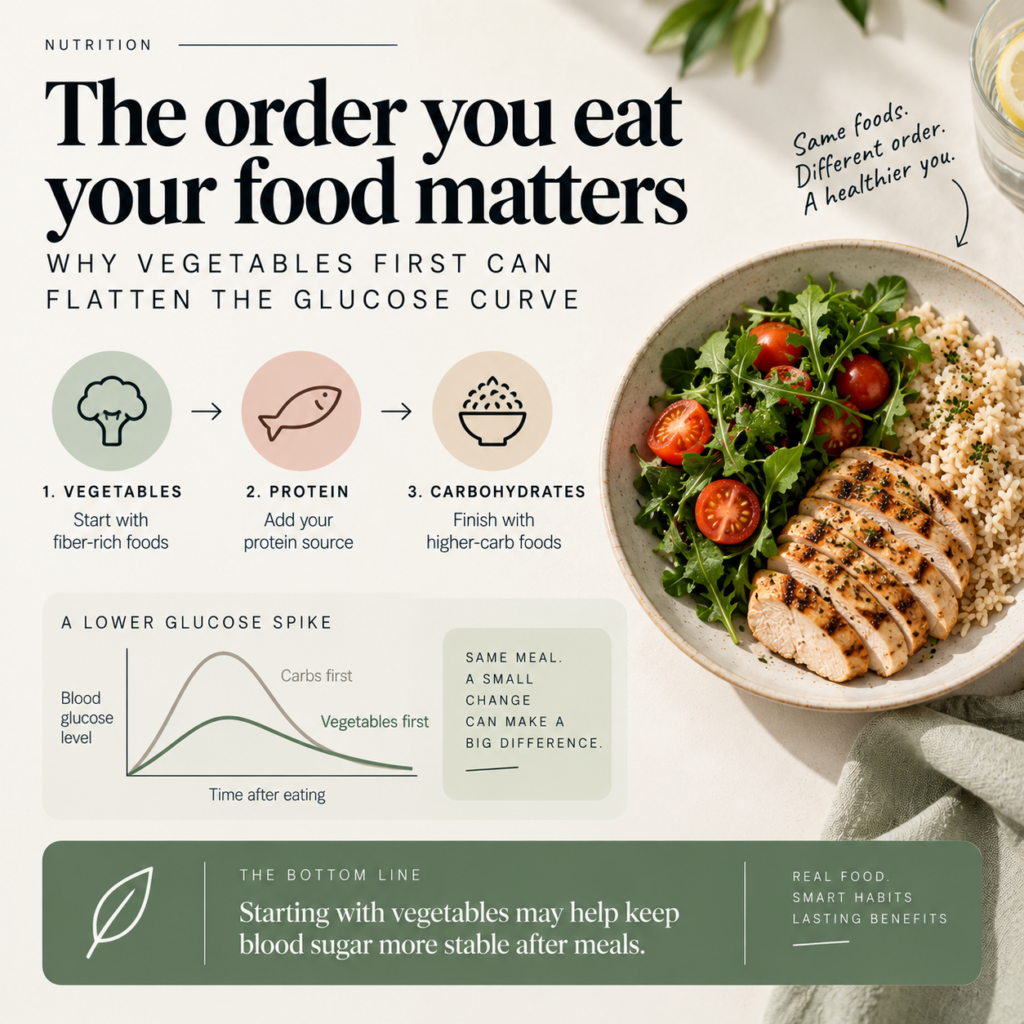
In a 2025 randomized crossover trial, 18 healthy young women ate the same foods under two patterns. One used three conventional mixed meals. The other divided carbohydrate intake across five eating occasions and used a fixed sequence of vegetables first, protein second, and carbohydrates last.
The glucose curve changed without changing the basic foods
The sequenced, divided pattern produced a lower mean amplitude of glycemic excursions, lower glucose peaks, and less time above 7.8 mmol/L. The effect appeared across breakfast, lunch, and dinner.
That does not prove that everyone needs five meals a day. The intervention changed both meal frequency and food order, so the results cannot cleanly assign every benefit to vegetables-first sequencing alone.
If you are curious about your own meals, a simple meal notebook is enough to record the meal, sequence, and how you feel afterward without turning lunch into a laboratory.
Why vegetables and protein first may help
Fiber, protein, fat, gastric emptying, and incretin signaling can all influence how quickly carbohydrate-derived glucose appears in the bloodstream. Eating a mixed vegetable and protein course first changes the context in which the carbohydrate arrives.
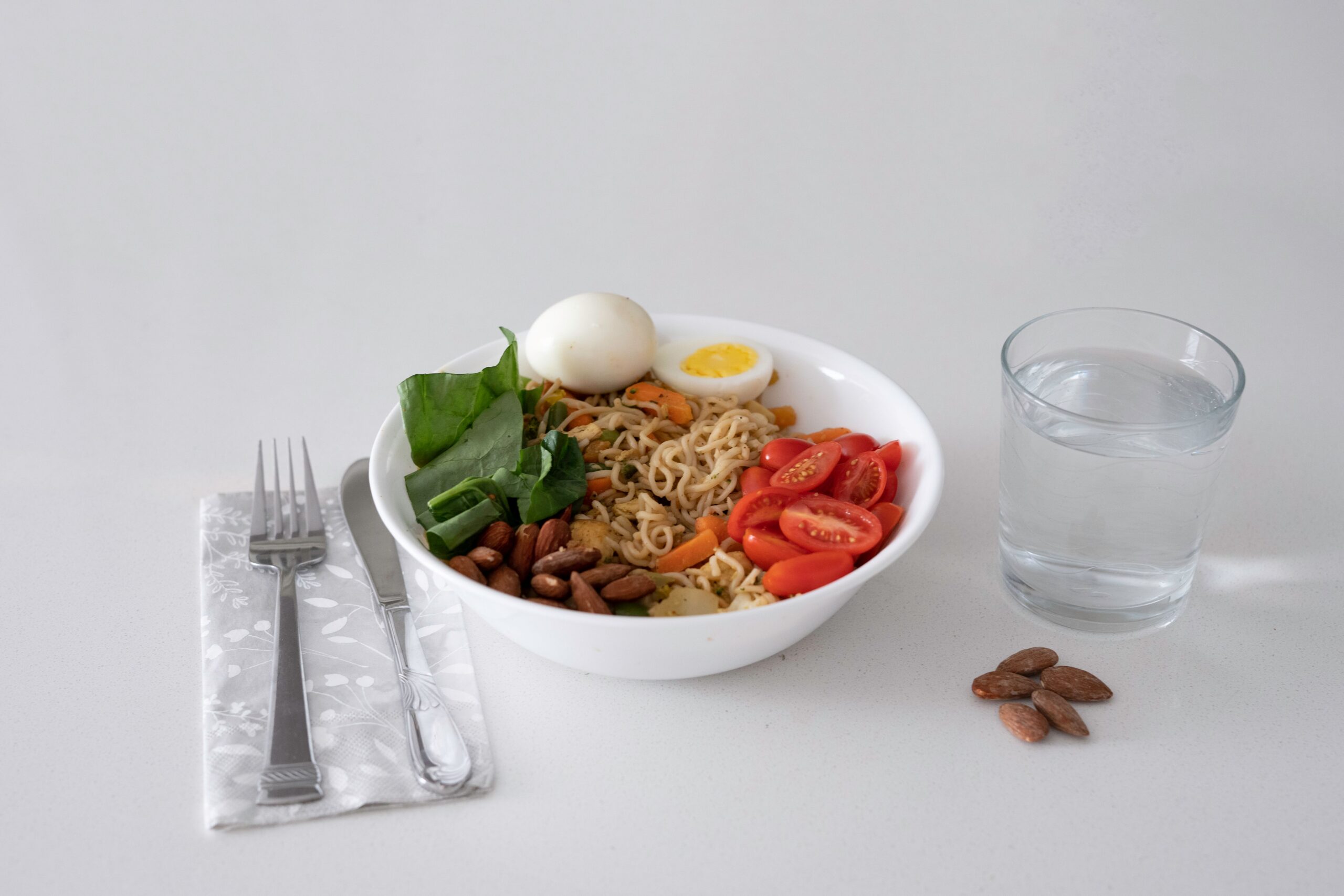
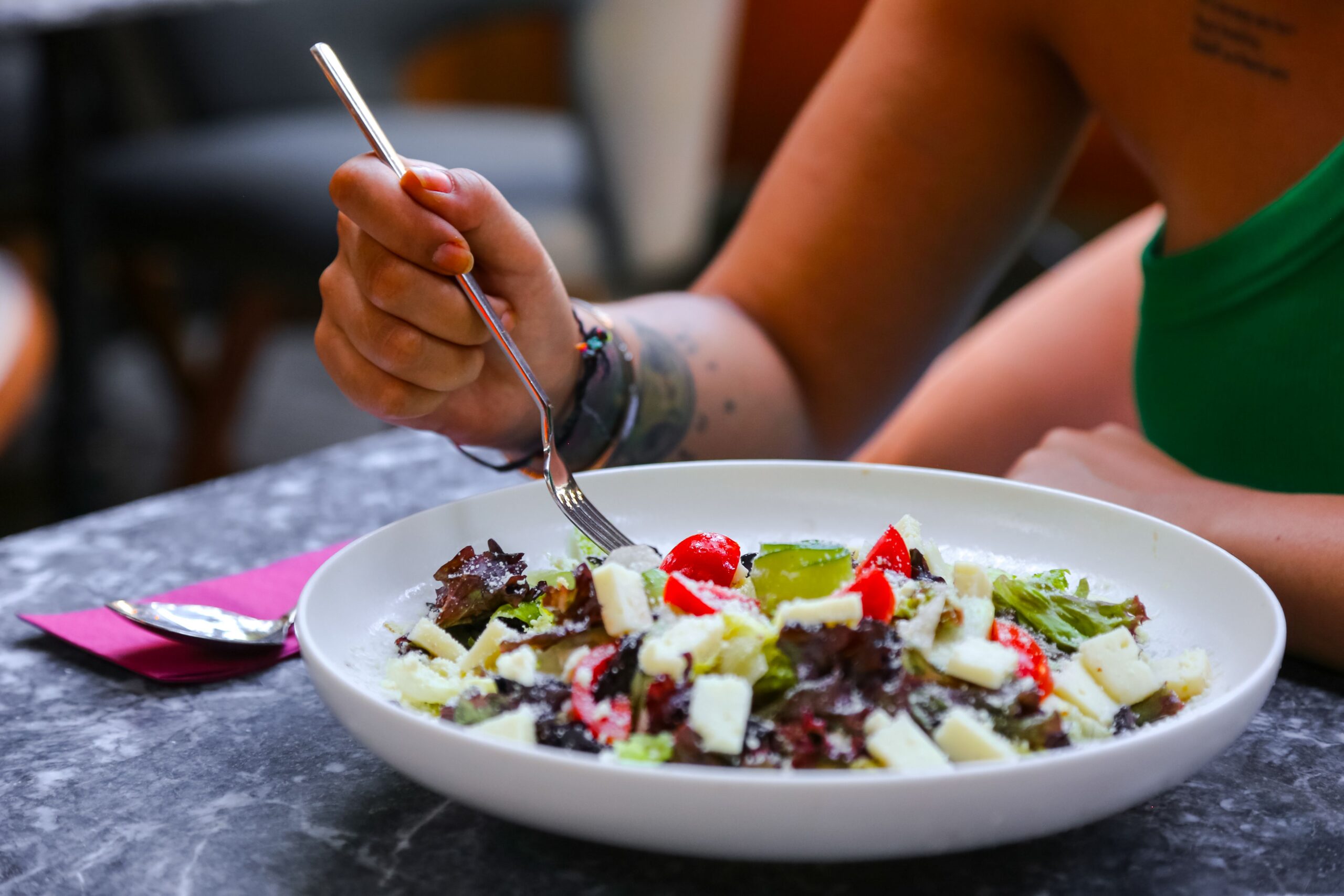
The practical version does not require separating a meal into tiny courses. Start with the salad, vegetables, beans, eggs, fish, tofu, or other protein already on the plate, then eat the starchier portion.
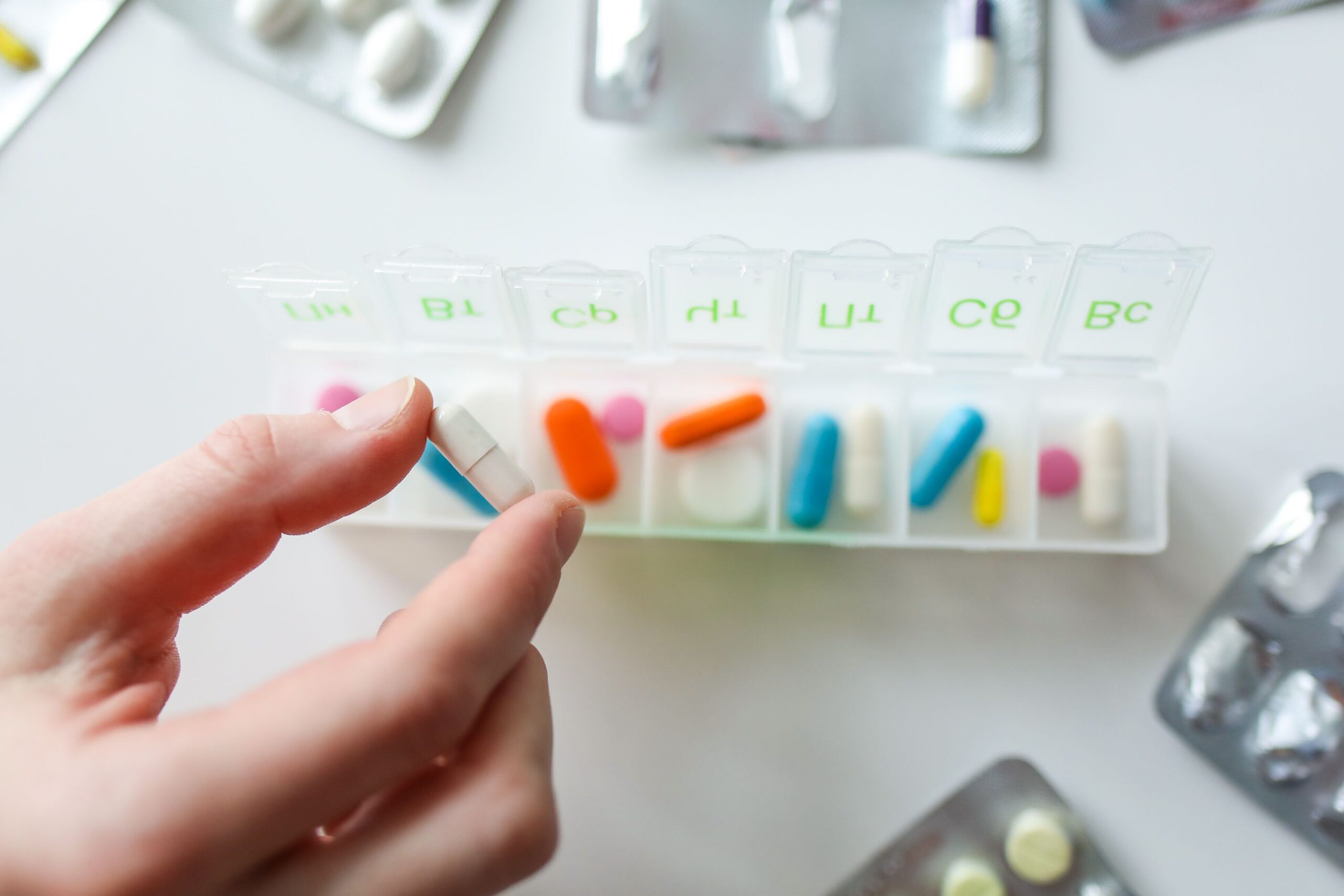
A divided meal container can make that order easier at work, while a water bottle keeps the meal routine simple without adding a sweet drink.
Do not turn food order into carbohydrate fear
A flatter glucose curve is not the same thing as proof of better long-term health in every person. The trial was small, short, and conducted in healthy young women.
Carbohydrates also vary enormously. Lentils, intact whole grains, fruit, and refined sweets do not become nutritionally equivalent because they are all eaten last. Food quality still matters.
If portion drift is the bigger issue, a digital kitchen scale can be useful temporarily for learning serving sizes, but it should not become a requirement for eating.
What to watch before you over-optimize it
Meal sequencing is attractive because it costs nothing, but the simplicity can become another rigid food rule. The goal is not to delay the first bite of rice until a stopwatch says you are allowed. It is to use the structure of a mixed meal to slow the arrival of concentrated carbohydrate when convenient.
If breakfast is oatmeal with fruit and yogurt, lunch is a sandwich, or dinner is a one-pot meal, forcing every ingredient into a sequence may add more friction than benefit. Use the strategy where the meal naturally has separate components.
The strategy works best when it stays invisible
A sustainable nutrition habit should eventually feel like the normal way you assemble a meal. If sequencing requires constant tracking, anxiety, or a special restaurant routine, the metabolic benefit may not justify the behavioral cost.
Think of vegetables and protein first as a default, not a commandment. Social meals, travel, and foods that are naturally mixed together do not need to be dismantled for the sake of a smaller glucose excursion.
The Livium recipe
Tool. Use meal order as a behavioral cue, not a rigid rule.
Behavior. At meals that contain vegetables, protein, and a concentrated starch, begin with vegetables and protein most of the time.
Threshold. If you use insulin or glucose-lowering medication, do not make major carbohydrate changes based on a wellness trend without appropriate clinical guidance.
| Trial measure | Conventional pattern | Sequenced, divided pattern |
|---|---|---|
| Mean glucose excursion | Higher | Lower |
| Post-meal glucose peaks | Higher | Lower |
| Time above 7.8 mmol/L | 4.2% | 1.4% |
| Main limitation | Three mixed meals | Food order and meal frequency both changed |
Source: Kajiyama et al., Nutrients, 2025.
Plan of action
- Try vegetables or protein first at one meal a day for a week.
- Keep the carbohydrate portion the same while testing order.
- Do not interpret one glucose reading as a diagnosis.
- Keep overall food quality more important than perfect sequencing.
Table of Content

Know your body better.
Trusted By Thousands Daily



FAQs
What food should I eat first to reduce a glucose spike?
Trials generally support eating non-starchy vegetables and protein before concentrated carbohydrates.
Do I need to wait between foods?
Not necessarily. The evidence supports sequence, but the ideal delay is not established for everyday eating.
Does eating carbohydrates last make them unhealthy?
No. Meal order changes the post-meal response; it does not turn carbohydrates into foods that need to be avoided.
Legal Disclaimer
The content published on Livium Health is for informational and educational purposes only. Nothing on this site constitutes medical advice, diagnosis, or treatment. Always consult a qualified healthcare provider before making decisions about your health, including changes to medications, supplements, diet, or exercise.
Livium Health is not a medical practice and does not have a patient-provider relationship with its readers. We do not sell supplements, medications, or treatments, and we have no financial relationship with the products or services we reference.
While we work to ensure the information we publish is accurate and up to date, health and medical guidance evolves. We make no guarantees about the completeness or currency of any content on this site. Reliance on any information provided by Livium Health is solely at your own risk.
If you are experiencing a medical emergency, call 911 or your local emergency services immediately.
We may receive compensation, free products, or affiliate commissions for products mentioned in this post. Opinions are our own.