
Share
Longevity & Aging
Men's Health
Women's Health
The phone call your parent stopped taking
8 min read
Key takeaways
- Hearing loss does not just make conversations harder. It makes phone calls impossible, then avoided, then abandoned. The social isolation that follows is measurable in health outcomes. The U.S. Surgeon General identified loneliness as a public health emergency in 2023, with cardiovascular and mortality risk comparable to smoking 15 cigarettes a day.
- ClearCaptions provides a captioned telephone at no cost to adults with hearing loss, including the hardware and installation. It displays real-time captions of the caller’s words on a screen beside the phone, funded by the FCC’s Telecommunications Relay Service. For a parent who has stopped taking calls because they cannot follow them, this is a practical solution available today.
- For adults using smartphones, iOS Live Captions, Google Live Transcribe, and apps like Ava and Otter.ai provide real-time captioning during calls and in-person conversations at low or no cost. Most people with hearing loss do not know these exist.
- The caregiver script matters. “You need a hearing aid” fails. “There is a free phone that shows you what people are saying” gets through. Framing the intervention around the technology rather than the diagnosis reduces the stigma friction that keeps adults in isolation.
The pattern you have probably noticed
It started with the TV going up. Then the “what?” in every conversation. Then the calls getting shorter. Then the calls not being answered. Then your parent telling you it is easier to text, except they do not always see the texts either, and the back-and-forth has a delay that feels wrong for a real conversation.
You call on Sunday. It rings several times. No answer. You assume they stepped out. You call Monday again. Same. On Tuesday, they call you back, and it is a five-minute conversation where they do most of the talking and confirm what you already said because the back-and-forth was too hard to follow. The conversation that used to be the connection has become a transaction.
This is the hearing loss isolation pattern. It is not unique to any one family. It happens gradually enough that nobody identifies the mechanism until the withdrawal is already significant.
The loneliness data
The 2023 U.S. Surgeon General Advisory on Loneliness and Isolation documented the health cost of social disconnection with the same rigor applied to tobacco: loneliness increases the risk of premature mortality by approximately 26 percent, increases the risk of heart disease by 29 percent, and increases stroke risk by 32 percent. It accelerates cognitive decline. It worsens depression, anxiety, and sleep. These are not soft psychological findings. They are mortality statistics.
Hearing loss is one of the largest modifiable drivers of social isolation in adults over 65. The mechanism is direct: when conversation is difficult, adults avoid the environments where conversation happens. When phone calls are impossible, a primary connection channel goes dark. The isolation accumulates faster in people who live alone, who are widowed, or who already have mobility limitations that reduce their out-of-home social access.
The ACHIEVE trial data (Johns Hopkins, Frank Lin) showed 48 percent less cognitive decline over three years in the hearing intervention group. The largest benefit was in adults who were socially isolated at baseline. Treating the hearing did not just improve communication. It reopened the social engagement that drives cognitive maintenance.
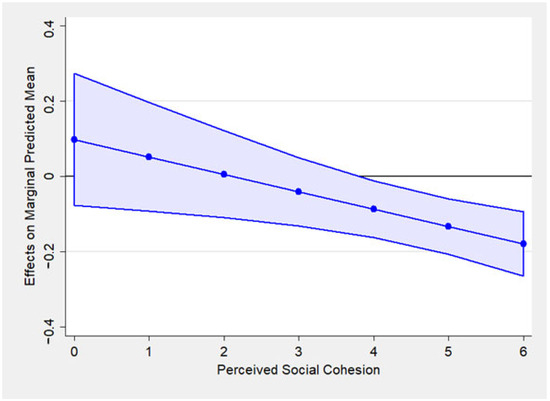
Older adults with hearing loss are significantly more socially isolated than peers with normal hearing, and the gap widens with severity. Social cohesion in the neighborhood moderates but does not eliminate the effect. Source: Baik & Kim, IJERPH 2025 — Hearing Loss and Social Isolation in Community-Dwelling Older Adults. CC BY 4.0.
ClearCaptions: The free phone most people have never heard of
ClearCaptions is a captioned telephone service funded by the FCC’s Telecommunications Relay Service fund. It provides a physical telephone handset with a touchscreen that displays real-time captions of what the other person is saying, generated by a live captioning service during the call. The hardware is provided at no cost. The installation is provided at no cost. The monthly captioning service is provided at no cost to the qualifying recipient.
To qualify, an adult must have a hearing loss that necessitates captions to communicate by phone. A self-certification from an audiologist, physician, or hearing professional is required. The process takes one appointment and a form. The phone is shipped to the home. Most people who would benefit from ClearCaptions have never heard of it.
CaptionCall by Sorenson is the main competitor in this category and operates on the same FCC-funded model. Both services are legitimate. ClearCaptions has a slightly more streamlined sign-up process and a modern handset design. For a parent who still uses a landline and has stopped answering calls because they cannot follow them, this is the most direct practical intervention available and costs the family nothing.
Smartphone options for milder loss
Apple Live Captions. Available on iPhone (iOS 16 and later) and Mac (macOS Ventura and later). Displays real-time captions of any audio, including phone calls, FaceTime, and in-person conversation. Free. Activated in Settings under Accessibility, Hearing. The accuracy is good for clear speech, lower in noisy environments.
A TV listening amplifier is worth adding for adults who are turning the television volume up to levels that disturb others in the household. These wireless systems deliver sound directly to a headset or earpiece at the user’s preferred volume without raising the room volume. Google Live Transcribe. Android equivalent. Excellent accuracy, supports over 70 languages, designed specifically for hard-of-hearing users. Free in the Google Play Store. Displays transcription in real time on screen with adjustable text size.
Ava. Purpose-built for hard-of-hearing adults. Identifies multiple speakers, logs the conversation, and allows the user to contribute by typing when speaking is difficult. Free tier available; paid tier adds multi-speaker identification improvements.
Zoom and Teams captions. Both platforms have native real-time captioning built into the call interface. For family video calls, switching to a captioned video platform is lower-friction than a phone call and provides additional visual cues (lip-reading, facial expressions) that significantly reduce listening effort.
The Livium recipe
Tool. Match the tool to the person and the degree of loss. For severe loss on a landline: ClearCaptions or CaptionCall by Sorenson, both free through the FCC program. For mild to moderate loss on a smartphone: Apple Live Captions (iPhone) or Google Live Transcribe (Android), both free and enabled in accessibility settings. For family video calls: Zoom with captions enabled (Settings, Accessibility, Closed Captioning) or FaceTime, which provides visual cues that substantially reduce listening effort on phone calls. For group family gatherings: the Ava app on a shared tablet placed at the center of a table captions multiple speakers in real time and visibly labels who is speaking.
Behavior. The caregiver script is the behavioral intervention. Two versions that work better than “you should get a hearing aid.” For the ClearCaptions conversation: “There is a phone the government pays for that shows you what people are saying while they talk. It looks like a normal phone. I can help you get one.” The word “government” and the word “free” do a lot of work here. For the smartphone captions conversation: “I found a setting on your phone that puts words on the screen when someone talks. Let me show you.” Demonstrate it. Let them use it. The barrier is usually unfamiliarity, not resistance. Once people see real-time captions working, adoption is fast.
Threshold. If a parent has reduced phone call frequency in the past year, is keeping calls shorter than they used to, or has mentioned difficulty hearing on the phone: that is the conversation to have now, not when the isolation is more advanced. The tools described above take one afternoon to set up and have the potential to meaningfully reopen a communication channel that is closing. The cost of the conversation is low. The cost of waiting is not.
| Tool | Best for | Cost | Setup complexity |
|---|---|---|---|
| ClearCaptions captioned phone | Landline users; severe loss; non-smartphone users | Free (FCC funded) | Low; requires audiologist certification |
| Apple Live Captions | iPhone users; mild-moderate loss; calls and in-person | Free | Very low; setting toggle |
| Google Live Transcribe | Android users; designed for hard-of-hearing | Free | Very low; app install |
| Ava | Group conversations; multiple speakers; family events | Free tier; paid for full features | Low; app install; works on shared device |
| Video calls (Zoom, FaceTime) | Family calls; provides visual cues in addition to captions | Free | Low; may require initial setup help |
Source: U.S. Surgeon General Advisory on the Healing Effects of Social Connection and Community (2023) and NIDCD Assistive Devices for Hearing Disorders.
Plan of action
- If a parent or older family member has reduced phone call frequency in the past year: bring up ClearCaptions specifically by name on the next call or visit. The framing is not “your hearing is bad.” It is “I found a free phone that shows you what people are saying. It might make calls easier. Can I help you look into it?” Visit clearcaptions.com to start the process.
- If the person has a smartphone: turn on Live Captions during your next in-person visit. Show them what it does. Let them experience the captions working in real time during a normal conversation. The demonstration is more persuasive than any description.
- Switch family calls to video when possible. A tablet stand placed at the right angle and distance for an older adult to see the screen comfortably during a video call removes the physical friction that makes video calls feel harder than they should be. FaceTime and Zoom with captions on provide significantly lower listening effort than audio-only calls for adults with high-frequency hearing loss. The visual cues matter. A 15-minute FaceTime with captions on can replace a strained 5-minute phone call and leave both parties feeling more connected.
- For adults who have already withdrawn significantly from social contact: a personal sound amplifier for in-person gatherings can bridge the gap while pursuing a formal hearing evaluation. A hearing evaluation and the ClearCaptions conversation are both important, but neither addresses the social muscles that atrophy during isolation. Encouraging structured social engagement (a regular call schedule, a recurring video chat, a weekly activity with others) alongside communication tools helps rebuild the habit of connection and the capacity for it.
Table of Content

Know your body better.
Trusted By Thousands Daily






FAQs
Does ClearCaptions work on cell phones as well as landlines?
For households that want a simpler first step before committing to ClearCaptions, an amplified telephone handset with adjustable volume and tone can restore phone call usability for mild-to-moderate loss without a qualification process. ClearCaptions has both a landline-attached device and a smartphone app. The smartphone app provides captioning during cell phone calls and is available on iOS and Android at no cost for qualifying individuals. For a parent who has transitioned to cell-only but still struggles with calls, the ClearCaptions app is the relevant product.
What is the qualification process for a captioned telephone?
A hearing professional (an audiologist, an otolaryngologist, or, in some states, a primary care physician) certifies that the individual has hearing loss that makes a telephone difficult to use without captions. The certification is a brief form, not a formal audiological evaluation. Most audiologists will complete it during a standard visit. The certification is then submitted with the ClearCaptions or CaptionCall application, and the phone is shipped, typically within a week or two.
How accurate are the captions on these devices?
ClearCaptions and CaptionCall use live captioners (human-assisted voice recognition) rather than fully automated speech recognition, which produces higher accuracy than purely AI-generated captions, particularly for accented speech, medical terminology, and proper nouns. Accuracy is typically in the 95-99 percent range for clear speech over a good connection. Background noise and poor call quality reduce accuracy, as they do for any captioning system. The captions have a one- to three-second delay, which takes some adjustment but becomes natural quickly.
Legal Disclaimer
The content published on Livium Health is for informational and educational purposes only. Nothing on this site constitutes medical advice, diagnosis, or treatment. Always consult a qualified healthcare provider before making decisions about your health, including changes to medications, supplements, diet, or exercise.
Livium Health is not a medical practice and does not have a patient-provider relationship with its readers. We do not sell supplements, medications, or treatments, and we have no financial relationship with the products or services we reference.
While we work to ensure the information we publish is accurate and up to date, health and medical guidance evolves. We make no guarantees about the completeness or currency of any content on this site. Reliance on any information provided by Livium Health is solely at your own risk.
If you are experiencing a medical emergency, call 911 or your local emergency services immediately.
We may receive compensation, free products, or affiliate commissions for products mentioned in this post. Opinions are our own.