The protein question: How much do you actually need after 50
5 min read
Key takeaways
The RDA for protein of 0.8 g/kg/day was set to prevent deficiency, not to optimize muscle preservation, metabolic health, and longevity in aging adults. Multiple expert panels now recommend 1.2 to 2.0 g/kg/day for adults over 50.
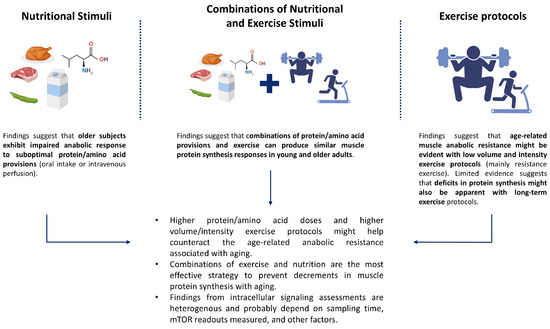
Anabolic resistance, the reduced muscle protein synthesis response to protein intake that develops with aging, means older adults need more protein per meal, not less, to achieve the same muscle-building stimulus as younger adults.
Protein distribution matters as much as total intake. Three to four meals each containing at least 30 to 40 grams of protein maximizes muscle protein synthesis stimulation across the day. Skewing protein intake to dinner (the typical pattern) wastes the anabolic opportunity of breakfast and lunch.
Leucine content is the primary trigger for mTOR-mediated muscle protein synthesis. Protein sources with high leucine content (whey, eggs, red meat, fish) stimulate muscle protein synthesis more effectively per gram than lower-leucine plant sources at equivalent total protein intake.
The number that has not caught up with the science
The RDA of 0.8 grams of protein per kilogram of body weight per day was established as the minimum to prevent nitrogen-negative balance in sedentary young adults. It is not an optimal intake. It is not an aging-specific recommendation. It is a floor, not a target. The research on protein needs in aging adults consistently shows that 0.8 g/kg/day is insufficient to prevent progressive muscle loss in adults over 50, even without intentional caloric restriction.
The PROT-AGE study group, an international panel of geriatric nutrition experts, recommended 1.0 to 1.2 g/kg/day as a minimum for healthy older adults and 1.2 to 1.5 g/kg/day for those with chronic illness or acute stress. Adults engaged in active resistance training require 1.6 to 2.2 g/kg/day to maximize muscle protein synthesis response. For a 70 kg adult, the difference between the RDA and the training-specific optimal intake is 56 grams of protein daily, equivalent to roughly two chicken breasts.
In young adults, 20 to 25 grams of high-quality protein per meal provides sufficient leucine to maximally stimulate mTORC1 and muscle protein synthesis. In adults over 60, the same amount of protein produces approximately 50 percent of the muscle protein synthesis response due to anabolic resistance: reduced mTOR sensitivity to amino acid signaling in aging muscle. The causes include reduced blood flow to muscle post-meal, lower insulin sensitivity, and reduced satellite cell responsiveness.
The practical implication: adults over 50 should target 35 to 45 grams of protein per meal rather than 20 to 25 grams. This higher per-meal dose overcomes the anabolic resistance and produces comparable muscle protein synthesis to what a younger adult achieves with the lower dose. This is why protein recommendations for older adults are not just higher in total but differently distributed across meals.
The Livium recipe
Tool. A food-tracking app for two weeks to establish the actual protein intake. Most adults overestimate their protein consumption significantly. Knowing the actual baseline makes the target gap concrete. A protein tracking app also identifies which meals are protein-deficient, most commonly breakfast, where the addition of eggs, Greek yogurt, or a protein shake produces the largest daily total improvement per meal change.
Behavior. Protein-first eating: consume the protein portion of each meal before the carbohydrate portion. This ensures the protein is eaten even when appetite limits total meal volume, and produces better post-meal glucose dynamics by slowing gastric emptying. Hit 35 grams of protein at breakfast specifically, as breakfast is the most consistently protein-deficient meal in the typical Western adult diet and represents the largest single-meal opportunity for improvement.
Threshold. After eight weeks of increased protein intake combined with resistance training: lean mass on DEXA should be stable or increasing. If lean mass is still declining despite meeting protein targets, check vitamin D (required for muscle protein synthesis) and testosterone/estrogen (required for anabolic response), as deficiencies in either block the expected response to adequate protein and training.
Thorne Whey Protein Isolate provides 27 grams of protein with 2.8 grams of leucine per serving, the highest leucine per gram among common whey isolates. Whey isolate is the most rapidly digested protein source and produces the sharpest mTOR activation signal, making it optimal for post-training consumption. BulkSupplements L-Leucine 500 mg capsules can be added to any protein source to increase its leucine content to the threshold required for maximal mTOR activation in older adults, making plant protein sources more anabolically effective. Life Extension Branched Chain Amino Acids provide the three BCAAs (leucine, isoleucine, valine) in a 2:1:1 ratio, useful for times when whole-food protein is unavailable, and a small anabolic signal is desired. Pure Encapsulations Essential Amino Acids provides essential amino acids in a formula specifically designed for older adults requiring higher-dose amino acid supplementation to overcome anabolic resistance.
Protein source
Leucine per 100g protein
Anabolic effectiveness
Notes
Whey protein
10–11g
Highest
Best post-training; fastest absorption
Eggs
8–9g
High
Complete amino acid profile
Red meat/chicken/fish
7–9g
High
High satiety; micronutrient dense
Legumes
6–7g
Moderate; augment with leucine
Higher volume required for equivalent stimulus
Soy protein
7–8g
Moderate to good
Best plant option; complete amino acid profile
Source: Livium editorial synthesis based on NIA Protein and Older Adults and Bauer et al., JAMDA (2013), PROT-AGE study group.
Plan of action
Track protein intake for one week using a food app. Calculate the current g/kg/day and compare to the 1.6 to 2.0 g/kg/day target. This single exercise almost always reveals the gap is larger than expected.
Fix breakfast first. Most midlife adults eat 10 to 20 grams of protein at breakfast when 35 to 40 grams is optimal. Two eggs plus Greek yogurt plus a protein shake gets most people close. The breakfast protein improvement has the largest per-meal effect on daily total.
Eat protein at every meal. Three meals at 35 grams each reach 105 grams total, meeting the needs of most adults at healthy body weight. Add a fourth meal or snack if body weight is above 80 kg and the target is not being reached in three meals.
If plant-based eating is important, add leucine supplementation to plant protein sources. Three to four capsules of leucine added to a soy or pea protein shake increases its mTOR activation signal to the level of whey at equivalent protein doses.
In people with normal kidney function, no. Multiple studies of high protein intake in healthy adults show no adverse kidney function effects. The concern originated from observations of accelerated decline in people with established chronic kidney disease (CKD), where protein restriction is appropriate. Healthy adults without CKD can safely consume 1.6 to 2.2 g/kg/day. If CKD is present or suspected (elevated creatinine, reduced eGFR), protein intake should be discussed with a nephrologist.
Is red meat safe at the protein levels recommended here?+
Unprocessed red meat at two to four servings per week is within the range of the IARC evidence for colorectal cancer risk, which classified processed meat as Group 1 carcinogenic and red meat as Group 2A (probably carcinogenic) based on epidemiological associations. The practical approach: prioritize white meat and fish as primary protein sources, use eggs and dairy freely, and include unprocessed red meat two to three times per week. Avoid processed meats (bacon, sausage, deli meats) as a primary protein strategy.
Does protein intake need to change when not training?+
Yes, with nuance. On non-training days, the anabolic stimulus of exercise is absent, so less total muscle protein synthesis is occurring. However, muscle protein breakdown still occurs throughout the day, and adequate protein is still required to maintain the protein balance that prevents net loss. The practical adjustment on non-training days: maintain the same total protein intake but no protein timing rush post-workout. The protein can be distributed more evenly rather than front-loaded around a training session.
Legal Disclaimer
The content published on Livium Health is for informational and educational purposes only. Nothing on this site constitutes medical advice, diagnosis, or treatment. Always consult a qualified healthcare provider before making decisions about your health, including changes to medications, supplements, diet, or exercise.
Livium Health is not a medical practice and does not have a patient-provider relationship with its readers. We do not sell supplements, medications, or treatments, and we have no financial relationship with the products or services we reference.
While we work to ensure the information we publish is accurate and up to date, health and medical guidance evolves. We make no guarantees about the completeness or currency of any content on this site. Reliance on any information provided by Livium Health is solely at your own risk.
If you are experiencing a medical emergency, call 911 or your local emergency services immediately.
We may receive compensation, free products, or affiliate commissions for products mentioned in this post. Opinions are our own.