
Share
Men's Health
Sleep
Women's Health
Tired but wired: Why your nervous system won’t let you sleep
7 min read
Key takeaways
- Hyperarousal insomnia (exhausted but unable to fall asleep) is a distinct clinical category. It is not sleep apnea, not cortisol-driven 3 AM waking, and not fixable with melatonin. It is a nervous system that has learned to treat the bed as a threat.
- Cognitive behavioral therapy for insomnia (CBT-I) is the evidence-based first-line treatment, recommended above sleeping pills by the American College of Physicians. Sleep restriction therapy, the counterintuitive core of CBT-I, works by rebuilding sleep pressure until the arousal cycle breaks.
- Spending more time in bed is the wrong instinct. It amplifies hyperarousal. Less time in bed, briefly, is the mechanism.
- Hyperarousal insomnia is extremely common in high-performing midlife adults. The correlation with conscientiousness, anxiety, and high cognitive load is not coincidental.
It is 11:47 PM. You are exhausted. You cannot sleep
You have been awake since 6 AM. You ran four miles, worked eight hours, answered forty emails, and made dinner. You are tired in the way that makes your eyes feel heavy sitting on the couch. And then you get into bed and something flips. Your mind runs. Your body hums. You are exhausted, but you cannot sleep.
This is hyperarousal insomnia. It is different from the 3 AM cortisol wakes. It is different from apnea. It is the nervous system running hot at the exact moment it needs to go quiet, and it is one of the most common and most mishandled sleep complaints in midlife adults.
What is actually happening
The arousal system in the brain, driven by norepinephrine, histamine, orexin, and cortisol, is designed to keep you awake and alert in the face of threat. In hyperarousal insomnia, this system becomes conditioned to activate in bed. The bedroom itself becomes the trigger. This happens gradually: a few bad nights due to stress, then the memory of not sleeping becomes the thing that prevents sleeping.
The technical term is conditioned arousal. The bed stops being associated with sleep and starts being associated with the anxiety of not sleeping. People with chronic onset insomnia frequently report they can fall asleep anywhere except their own bed: the couch, the car, a hotel room, a friend’s spare room. That is the conditioning fingerprint.
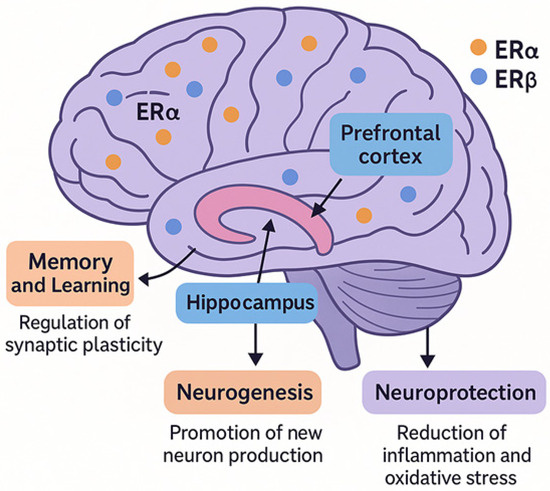
Hyperarousal also shows up in metabolic measurements. People with chronic insomnia have elevated 24-hour cortisol, higher resting heart rate, elevated core body temperature at night, and increased glucose metabolism in the prefrontal cortex during sleep; their brains are measurably more active at night than normal sleepers. This is not a soft psychological complaint. It is a physiological state.
What you have probably already tried
Melatonin. Does not address hyperarousal. Melatonin dims the lights on the circadian system. It does not turn off a nervous system running at 80 percent activation. If you can’t fall asleep even when genuinely tired, more melatonin will not help.
Going to bed earlier. The most intuitive move and one of the most counterproductive ones. More time in bed when your sleep is fragmented means more time lying awake, which means more conditioning of the bed as a place where you do not sleep. The arousal cycle gets stronger.
Sleeping pills. Sedative-hypnotics (Z-drugs, benzodiazepines) suppress arousal pharmacologically and do produce sleep, but they do not fix the conditioned arousal. The insomnia returns when the medication stops, usually worse. The American College of Physicians explicitly recommends CBT-I over sleeping pills as first-line treatment for chronic insomnia. That recommendation is not subtle.
Sleep hygiene checklists. Useful but insufficient. Dark room, cool temperature, no screens: all correct. None of them address conditioned arousal. A person with hyperarousal insomnia can follow every sleep hygiene recommendation perfectly and still not sleep. The problem is not environment. It is the nervous system’s relationship to the environment.
The Livium take: most insomnia content focuses on what you do before bed. Hyperarousal insomnia is a conditioning problem that requires a behavioral intervention, not a bedtime routine upgrade. The tool is CBT-I. The key technique within CBT-I is sleep restriction therapy, and it is the opposite of what most people expect.
The Livium recipe
Tool. Cognitive behavioral therapy for insomnia (CBT-I). Digital CBT-I programs (Sleepio, Somryst) deliver the intervention without needing a sleep psychologist. Somryst is FDA-cleared for chronic insomnia. Sleepio has published randomized controlled trial data. Both apply sleep restriction, stimulus control, and cognitive restructuring, the three core CBT-I components. If you prefer to work with a provider, Hims sleep telehealth can connect you with practitioners familiar with behavioral sleep medicine. Thorne Magnesium Bisglycinate supports the GABAergic nervous system calming that needs to happen at sleep onset, without the dependency or rebound of pharmaceutical sleep aids. NOW Foods L-Theanine 200 mg takes the edge off pre-sleep arousal through alpha-wave promotion and gentle GABA support without sedation or morning grogginess.
Behavior. Sleep restriction protocol (week one): calculate how many hours you actually sleep (not how long you are in bed). If you average 5.5 hours of actual sleep despite spending 8 hours in bed, set your sleep window to 5.5 hours. Pick a fixed wake time (say 6 AM) and count backward; your bedtime becomes 12:30 AM. Do not go to bed before 12:30 AM regardless of how tired you feel. Stay in bed only while asleep. Stimulus control: get out of bed if you have been awake for 20 minutes. Do something quiet (not screens, not work) in a different room until sleepy, then return. The goal is to reconsolidate sleep in bed and only in bed.
Threshold. Sleep efficiency (actual sleep/time in bed) above 85 percent for five consecutive nights is the signal to extend the sleep window by 15 to 30 minutes. Most people with hyperarousal insomnia see meaningful improvement in sleep quality within two to three weeks of consistent sleep restriction. Full resolution of the conditioning typically takes four to six weeks. The first week is unpleasant. The weeks after that are usually not.
| Insomnia type | Primary complaint | Root cause | First-line intervention |
|---|---|---|---|
| Hyperarousal (onset) | Can’t fall asleep despite exhaustion | Conditioned nervous system arousal | CBT-I (sleep restriction + stimulus control) |
| Cortisol 3 AM waking | Falls asleep fine; wakes at 1–4 AM | Dysregulated cortisol/glucose cycle | Cortisol and glucose management |
| Sleep apnea | Wakes unrefreshed; daytime sleepiness | Airway obstruction during sleep | Home sleep test then CPAP/Zepbound/Inspire |
| Perimenopause/Low T sleep disruption | Night sweats; fragmented sleep | Hormonal fluctuation disrupting thermoregulation | Hormone evaluation; HRT/TRT where appropriate |
Source: Livium editorial synthesis based on AASM Practice Guidelines for Chronic Insomnia and American College of Physicians Clinical Practice Guideline (2016).
The drugs
If the hyperarousal is severe enough that CBT-I cannot get traction, short-term pharmacological support while doing CBT-I is a legitimate bridge. The DORA class (dual orexin receptor antagonists: suvorexant, lemborexant) is the current preferred option because they block the orexin arousal signal specifically rather than sedating the whole brain. Less grogginess, less dependency risk than Z-drugs or benzodiazepines.
Hims sleep telehealth prescribes DORAs and other sleep medications. The conversation worth having is explicit: “I want to use medication as a bridge while I do CBT-I, not as an ongoing solution.” A provider who pushes back on that framing is not the right fit.
Plan of action
- Identify your insomnia type. If you fall asleep quickly but wake in the middle of the night, the cortisol and glucose management piece is more relevant than CBT-I. If you cannot fall asleep at all despite being tired, hyperarousal and CBT-I are your category.
- Start a sleep diary for two weeks. Track: time in bed, estimated time to sleep, number of awakenings, wake time, and how you feel in the morning. Calculate your average sleep efficiency (hours asleep / hours in bed). Anything below 85 percent is the CBT-I threshold.
- Download Sleepio or investigate Somryst. Both deliver structured CBT-I digitally. If you prefer a provider, Hims Sleep can connect you with a prescriber who understands behavioral approaches alongside medications.
- Take Thorne Magnesium Bisglycinate 200 to 400 mg and L-Theanine 200 mg about 45 minutes before your target sleep time, not at the first sign of tiredness. The goal is nervous system support at the transition point, not sedation.
Table of Content

Know your body better.
Trusted By Thousands Daily




FAQs
Is sleep restriction therapy safe? I am already sleep-deprived.
Sleep restriction therapy does temporarily increase daytime sleepiness in week one. It should not be started during a period of extreme occupational demand (major surgery if you are a surgeon, a critical project week, etc.). People with bipolar disorder should not do sleep restriction without psychiatric supervision, as sleep deprivation can trigger mania. For most otherwise healthy adults, the one difficult week is worth it for what follows.
I tried meditating before bed, and it made my insomnia worse. Why?
Some people with hyperarousal insomnia find that body-scan meditation increases awareness of internal sensations in a way that amplifies the arousal. This is a known phenomenon. Distraction-based relaxation (reading fiction, a podcast you have heard before, audiobooks) can work better for highly aroused minds than meditation-style practices that direct attention inward. Try both and take the one that works.
I sleep fine everywhere except my own bed. Is that really a psychological problem?
It is a conditioning problem, not a psychological failing. Calling it psychological understates how physically real conditioned arousal is. Your nervous system has literally learned a response. That response is physiological. It changes your heart rate, your cortisol, and your brain activation in measurable ways. CBT-I does not address it by convincing you to think differently about sleep. It addresses it by changing the behavior pattern until the conditioning breaks. The distinction matters.
Legal Disclaimer
The content published on Livium Health is for informational and educational purposes only. Nothing on this site constitutes medical advice, diagnosis, or treatment. Always consult a qualified healthcare provider before making decisions about your health, including changes to medications, supplements, diet, or exercise.
Livium Health is not a medical practice and does not have a patient-provider relationship with its readers. We do not sell supplements, medications, or treatments, and we have no financial relationship with the products or services we reference.
While we work to ensure the information we publish is accurate and up to date, health and medical guidance evolves. We make no guarantees about the completeness or currency of any content on this site. Reliance on any information provided by Livium Health is solely at your own risk.
If you are experiencing a medical emergency, call 911 or your local emergency services immediately.
We may receive compensation, free products, or affiliate commissions for products mentioned in this post. Opinions are our own.