
Share
Men's Health
Sleep
Women's Health
Waking up exhausted after full sleep: What may be blocking recovery
6 min read
Key takeaways
- Waking up exhausted after a full sleep usually means your body is not cycling through deep and REM sleep stages effectively, even if you are not waking up consciously.
- Common disruptors include breathing issues like sleep apnea, elevated cortisol from chronic stress, blood sugar swings overnight, and environmental factors like temperature or noise.
- Sleep quality matters as much as sleep quantity, and tracking tools or medical evaluation can help identify what is blocking recovery so you can make targeted changes.
Why sleep hours do not always mean recovery
You went to bed on time. You stayed asleep. You logged seven or eight hours. But you still feel like you barely slept. Waking up exhausted after a full sleep is not about duration. It is about what happens while you are asleep.
Your body cycles through different sleep stages throughout the night. If those stages are disrupted, compressed, or skipped, you get the hours without the recovery. That leaves you tired, foggy, and slow to start, even after what looks like a full night of rest.
This article explains what may be interfering with sleep quality, why quantity alone does not guarantee restoration, and what you can adjust to wake up feeling more recovered.
What happens during sleep that makes recovery possible
Sleep is not one steady state. Your body moves through multiple stages in roughly 90-minute cycles. Each stage serves a specific function. Light sleep helps you transition. Deep sleep supports physical repair, immune function, and metabolic recovery. REM sleep supports memory, mood regulation, and cognitive processing.
If you spend most of the night in light sleep or wake briefly without realizing it, your body may not get enough time in the restorative stages. You can be asleep for eight hours and still miss the recovery benefits that come from consistently cycling through deep and REM sleep.
Even small disruptions can fragment your sleep architecture. You may not remember waking, but your nervous system registers the interruption. Over time, that adds up.
What may be disrupting sleep quality without waking you fully
Breathing disruptions
Sleep apnea and other breathing issues can cause brief arousals that pull you out of deep sleep without fully waking you. You may not gasp or jolt awake, but your oxygen levels drop enough to shift your brain into a lighter sleep stage. This can happen dozens or even hundreds of times per night.
Common signs include waking with a dry mouth, headaches, or feeling unrested despite long sleep. Snoring, pauses in breathing, or feeling like you stop breathing during sleep are worth exploring.
Stress hormones
Cortisol is meant to drop at night and rise in the morning. If your nervous system is stuck in a high-alert state from chronic stress, cortisol may remain elevated overnight. That keeps your body in a lighter, more vigilant stage of sleep instead of allowing deep recovery.
This is common in people dealing with work stress, caregiving responsibilities, financial pressure, or unresolved emotional strain. Your brain may be processing stress while you sleep, reducing the depth and quality of your rest.
Blood sugar swings
If blood sugar drops too low overnight, your body releases cortisol and adrenaline to stabilize it. That can pull you out of deep sleep or prevent you from entering it in the first place. You may not wake fully, but your sleep becomes lighter and less restorative.
This is more likely if you skip dinner, eat a very low-carb meal late in the day, or drink alcohol before bed. Blood sugar instability during sleep often goes unnoticed but contributes to poor recovery.
Environmental factors
Room temperature, noise, light, and even your mattress affect how deeply you sleep. If your room is too warm, your body struggles to cool down enough for deep sleep. If there is ambient noise or light seeping in, your brain may stay partially alert even while you are asleep.
Small disruptions, such as a partner moving, pets, or an uncomfortable sleep surface, can also prevent deep sleep without waking you consciously.
Alcohol or sleep aids
Alcohol may help you fall asleep faster, but it suppresses REM sleep and causes more fragmented sleep in the second half of the night. Sleep aids, such as certain antihistamines or sedatives, can also reduce sleep quality by prolonging your time in lighter stages.
You may feel like you slept through the night, but your brain did not get the restoration it needed.
Why this pattern matters
Waking up exhausted after a full night’s sleep is not just about feeling tired. Poor sleep quality affects your ability to regulate mood, focus, manage stress, and recover physically. It also influences metabolism, immune function, and hormone balance.
Over time, low-quality sleep can contribute to weight gain, insulin resistance, increased inflammation, and a weakened ability to handle daily stress. It also makes it harder to build muscle, recover from workouts, or maintain consistent energy throughout the day.
If you are doing everything right during the day but still feel run down, your sleep quality may be the missing link.
What current health guidance suggests
Sleep quality is now considered as important as sleep quantity. Wearable devices that track sleep stages, heart rate variability, and breathing patterns can provide insight into what is happening overnight. Many people discover they are spending very little time in deep or REM sleep despite logging enough hours.
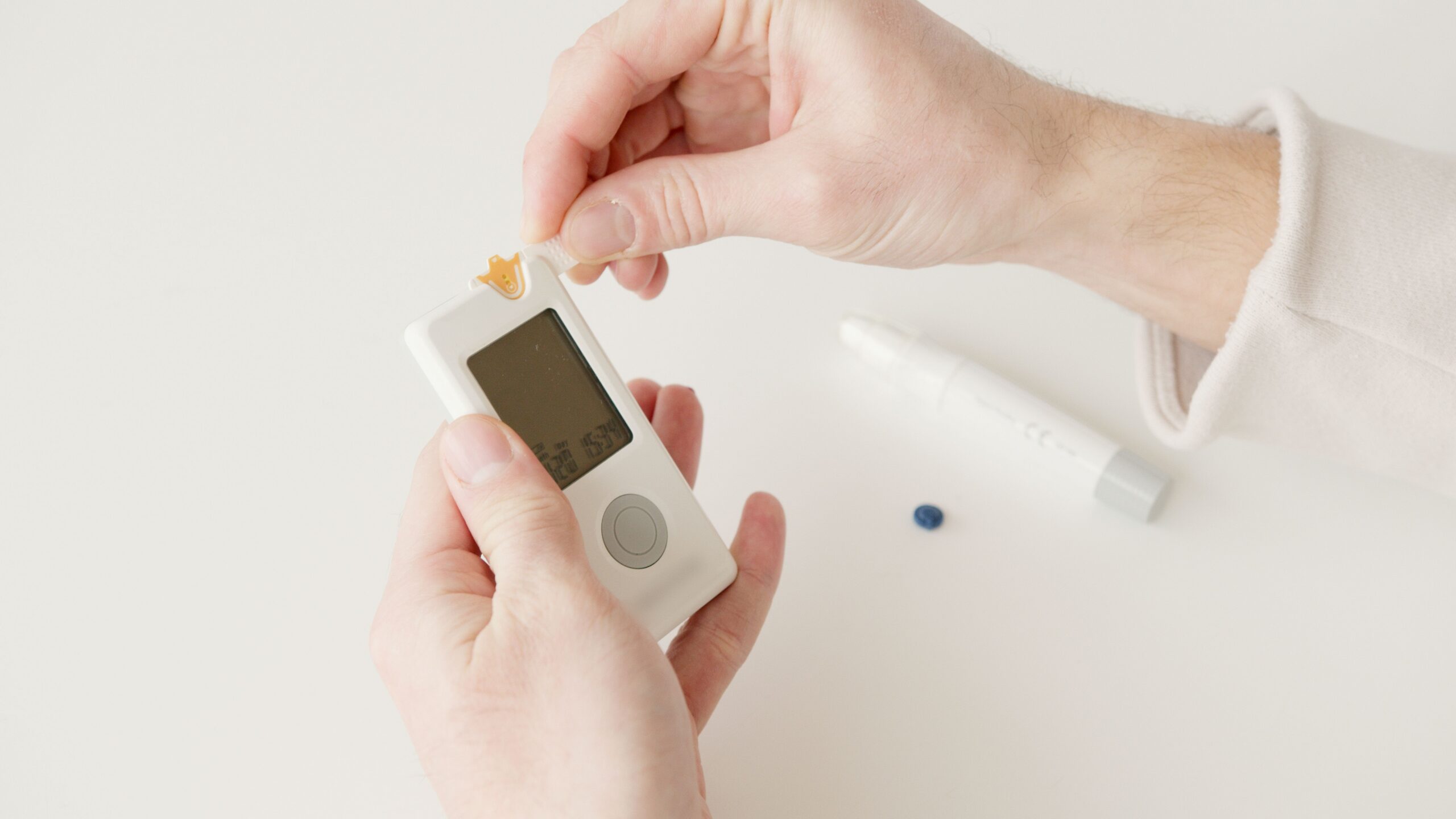
Functional health practitioners often look at cortisol patterns, blood sugar regulation, and breathing issues when someone reports unrefreshing sleep. Testing options include sleep studies for apnea, continuous glucose monitors to track overnight blood sugar, and salivary cortisol testing to assess stress hormone rhythms.
Addressing sleep quality often involves lifestyle changes, adjustments to the sleep environment, and, in some cases, medical evaluation or treatment for underlying issues such as sleep apnea or hormonal imbalances.
Plan of action
- Track your sleep using a wearable device or app that monitors sleep stages, heart rate, and breathing. Look for patterns like low deep sleep, frequent heart rate spikes, or irregular breathing.
- Evaluate your sleep environment. Keep your room cool, dark, and quiet. Consider blackout curtains, a white noise machine, or a fan. Make sure your mattress and pillows support restful sleep.
- Stabilize blood sugar before bed. Eat a balanced dinner with protein, fat, and complex carbs. Avoid skipping meals or eating very late. Consider a small snack with protein and fat if you tend to wake feeling shaky or anxious.
- Reduce alcohol and reassess sleep aids. If you drink regularly before bed, try cutting back or stopping for a week to see if sleep quality improves. Talk to your doctor before stopping any prescribed sleep medication.
- Consider a sleep study if you snore, wake with headaches, or feel short of breath at night. Sleep apnea is common and often goes undiagnosed, especially in people who do not fit the typical profile.
- Address chronic stress through nervous system regulation. Try breathwork, evening walks, journaling, or a consistent wind-down routine. These help lower cortisol and signal your body that it is safe to rest deeply.
- Test cortisol and blood sugar patterns if sleep quality does not improve. Work with a functional medicine provider to evaluate overnight cortisol, fasting glucose, or continuous glucose trends during sleep.
Table of Content

Know your body better.
Trusted By Thousands Daily





FAQ
Is it normal to feel tired even after sleeping through the night?
Occasional fatigue after a full night’s sleep can occur, especially during periods of high stress or illness. However, if you consistently wake up exhausted despite getting enough hours, it suggests your sleep quality is compromised and may be worth investigating.
Can stress alone cause unrefreshing sleep?
Yes. Chronic stress keeps cortisol elevated, which prevents your body from entering deep, restorative sleep stages. You may sleep through the night but remain in lighter sleep, which does not provide full recovery.
How long does it take to feel more rested after improving sleep quality?
Many people notice improvements within a few days to a week after making changes like adjusting the sleep environment, stabilizing blood sugar, or reducing alcohol intake. More complex issues, such as sleep apnea or hormonal imbalances, may take longer to address but often lead to significant improvements once treated.
Should I get a sleep study if I do not snore?
Yes. Sleep apnea and other breathing disruptions can occur without loud snoring. If you wake up with a dry mouth, headaches, or feel unrested despite a full night’s sleep, a sleep study can help identify issues that are not obvious during the day.
Do wearable sleep trackers actually help?
They can provide useful insights into sleep-stage distribution, heart rate variability, and breathing patterns. While not as precise as a clinical sleep study, they help identify trends and guide decisions about whether further evaluation or lifestyle changes are needed.
Legal Disclaimer
The content published on Livium Health is for informational and educational purposes only. Nothing on this site constitutes medical advice, diagnosis, or treatment. Always consult a qualified healthcare provider before making decisions about your health, including changes to medications, supplements, diet, or exercise.
Livium Health is not a medical practice and does not have a patient-provider relationship with its readers. We do not sell supplements, medications, or treatments, and we have no financial relationship with the products or services we reference.
While we work to ensure the information we publish is accurate and up to date, health and medical guidance evolves. We make no guarantees about the completeness or currency of any content on this site. Reliance on any information provided by Livium Health is solely at your own risk.
If you are experiencing a medical emergency, call 911 or your local emergency services immediately.
We may receive compensation, free products, or affiliate commissions for products mentioned in this post. Opinions are our own.