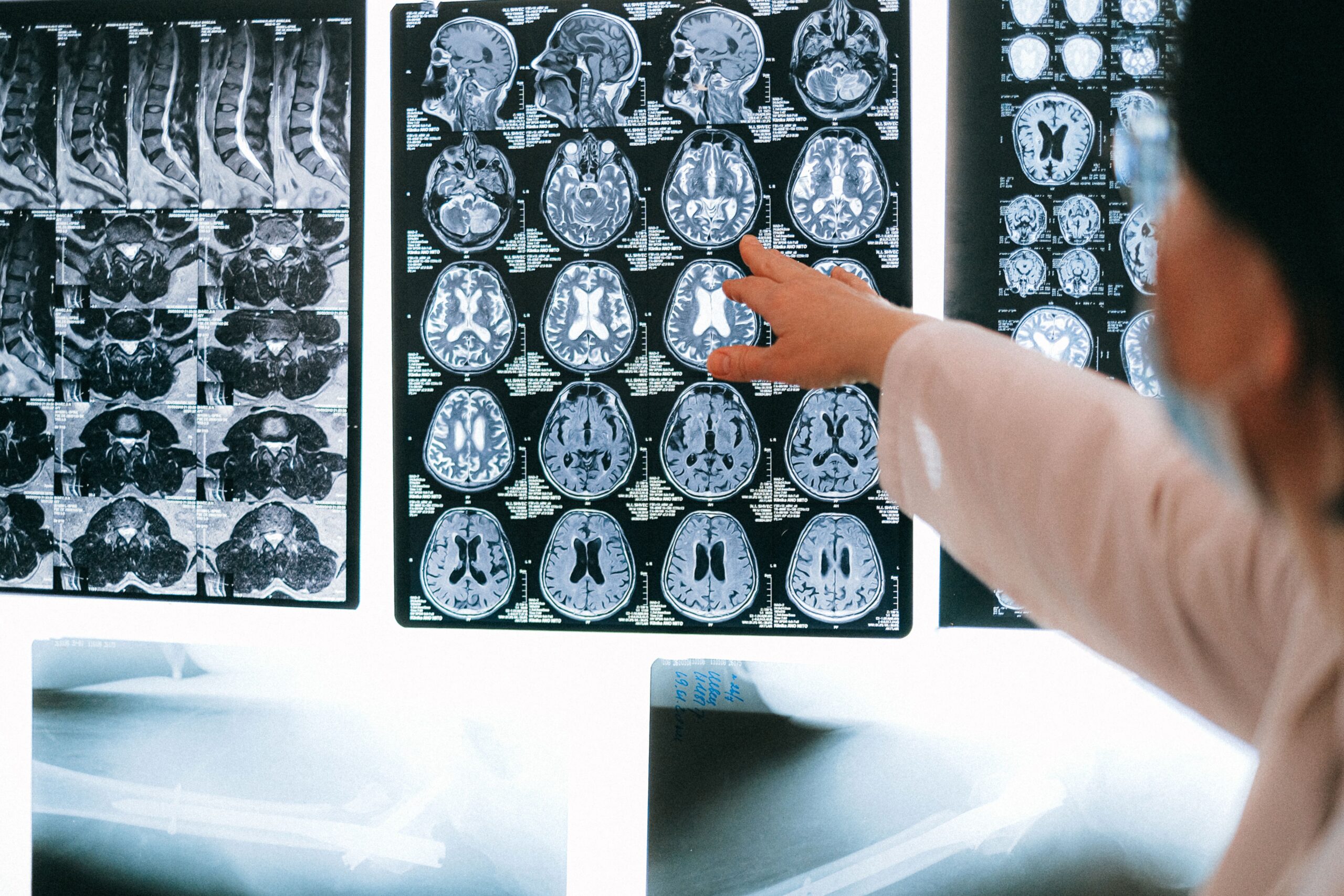
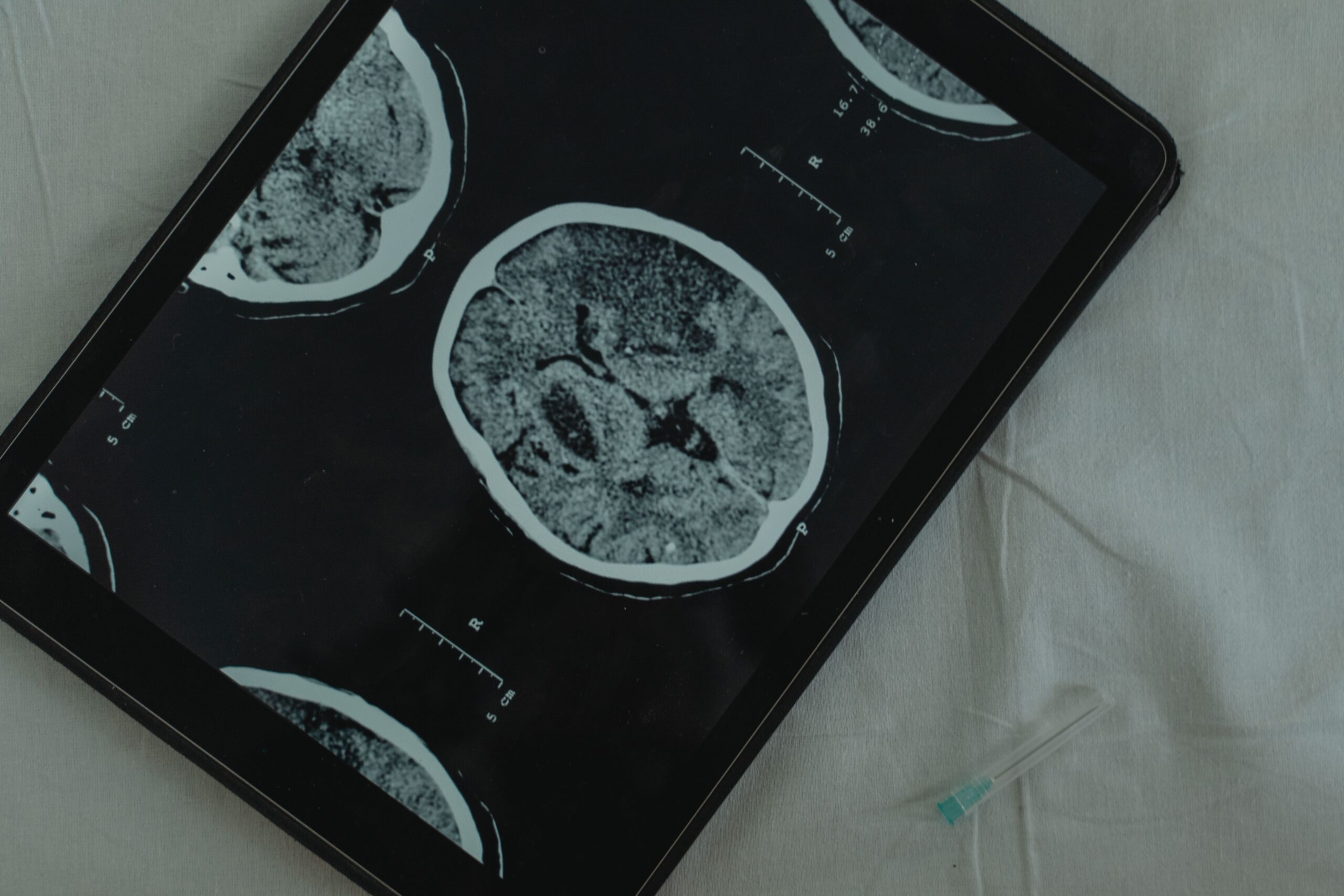
Effective psychotherapy produces measurable structural changes in the brain, including increased prefrontal cortex gray matter volume, reduced amygdala reactivity, and altered default mode network connectivity.
CBT and medication produce overlapping but distinct brain changes in depression. CBT produces stronger effects on prefrontal top-down regulation. Medication produces stronger effects on subcortical limbic reactivity. Combination treatment produces changes in both.
The brain changes produced by effective therapy persist after therapy ends. The brain changes from medication revert when medication is discontinued. This is the mechanistic basis for the lower relapse rate of therapy compared to medication-only treatment for depression and anxiety.
Not all therapy modalities produce equivalent neurobiological changes. CBT, EMDR, and mindfulness-based therapies each have neuroimaging evidence. Supportive counseling without skill training has less consistent structural brain change evidence.
Talking to someone changes the brain. Literally
The dominant public model of psychotherapy is still primarily interpersonal: a helpful relationship, a skilled listener, a space to process difficult experiences. All of that is accurate. It is also incomplete, because effective psychotherapy is a neuroplasticity intervention. The conversations, the cognitive restructuring, the processing of emotional memory, the development of new response patterns to old triggers: each of these involves the formation of new neural circuits that physically alter the brain’s structure and functional connectivity.
Neuroimaging studies comparing pre- and post-therapy brain scans show this unambiguously. Therapy works by doing to the brain what the brain could not do for itself: building the prefrontal regulatory circuits that depression, anxiety, and trauma each degrade, reducing the amygdala hyperreactivity that makes daily life feel threatening, and restoring the default mode network coherence that supports healthy self-referential processing.
What CBT does in the brain
Cognitive behavioral therapy works by training the prefrontal cortex to evaluate and modulate the emotional responses generated by the amygdala. The cognitive restructuring component (identifying and challenging distorted thoughts) builds functional connectivity between the dorsolateral prefrontal cortex and the amygdala. The behavioral component (graduated exposure, activity scheduling) reinforces that connectivity through repeated successful modulation of avoided situations.
Neuroimaging studies show CBT for depression increases activity in the prefrontal cortex and decreases amygdala hyperreactivity in ways that persist after treatment ends. This is the opposite of the medication pattern, where limbic normalization occurs while the drug is active and reverts when it is discontinued. The CBT patient’s brain has built new circuits. The medication patient’s brain is being pharmacologically managed.
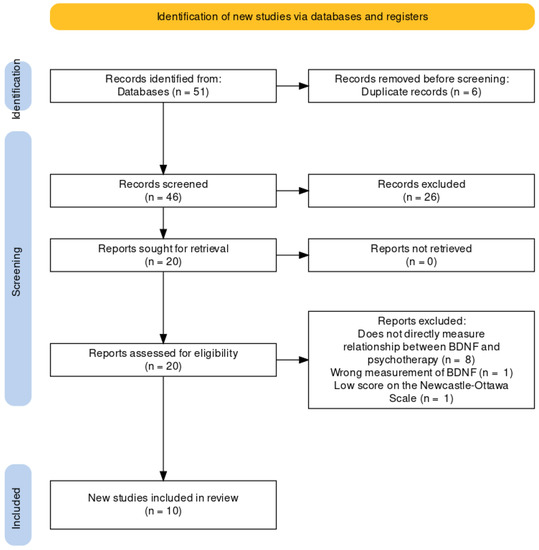
CBT produces measurable increases in BDNF, the primary molecular driver of neuroplasticity — the same protein that supports new synapse formation, hippocampal neurogenesis, and prefrontal cortex remodeling. Therapy changes the brain through the same pathways as exercise. Source: Mosiołek et al., Biomedicines 2023 — BDNF as an Indicator for Effects of CBT. CC BY 4.0.
What EMDR does in the brain
EMDR (eye movement desensitization and reprocessing) was initially dismissed as implausible because its mechanism seemed arbitrary. Decades of neuroimaging research have changed that assessment. EMDR appears to work by activating the same neural processes as REM sleep during trauma memory processing: the bilateral sensory stimulation (originally eye movements, now also sound and tactile) produces dual attention that allows the traumatic memory to be accessed and processed without overwhelming the person’s regulatory capacity.
Post-EMDR brain scans show reduced hyperactivation of the amygdala and insula during trauma memory recall, increased prefrontal modulation, and altered hippocampal processing of the traumatic memory that shifts it from the intrusive, present-tense encoding characteristic of PTSD to the integrated, past-tense encoding characteristic of processed memory. The memory is still there. Its neurobiological status changes.
The Livium recipe
Tool. A therapist with specific training in an evidence-based modality. The three modalities with the strongest neuroimaging evidence are CBT, EMDR, and mindfulness-based cognitive therapy (MBCT). A therapist’s listing of “eclectic” or “integrative” approach without specific training in these modalities is not equivalent. The APA Division 12 website lists empirically validated treatments by condition and can be used to verify whether a therapist’s claimed approach has actual evidence for the presenting condition.
Behavior. Neuroplasticity is maximized when new learning occurs in a state of moderate, manageable activation rather than overwhelming distress or complete calm. Effective therapy operates in this zone deliberately. Outside therapy sessions, the behavioral homework component of CBT (behavioral experiments, thought records, graduated exposure) is where most of the circuit-building happens. Therapy sessions without between-session practice produce substantially weaker neurobiological outcomes than therapy with consistent homework completion.
Threshold. Meaningful brain change in CBT for depression or anxiety typically begins to show on neuroimaging at 8 to 12 weeks of weekly sessions. Subjective improvement often precedes this by two to four weeks. If there is no subjective improvement after 12 weeks with full homework compliance, either the therapist’s approach is not well-matched to the presenting condition or an underlying physiological driver (covered in the depression and anxiety articles in this library) is undermining the neuroplasticity process.
Supporting neuroplasticity while in therapy
BDNF (brain-derived neurotrophic factor) is the primary driver of neuroplasticity. Aerobic exercise produces the most potent BDNF increase available without prescription. Getting 30 minutes of moderate aerobic exercise on therapy days specifically maximizes the brain’s capacity to form new circuits from the session’s learning. Life Extension Neuro-Mag Magnesium Threonate crosses the blood-brain barrier and increases brain magnesium levels, which supports the NMDA receptor function required for long-term potentiation, the cellular mechanism underlying learning and memory consolidation in therapy.
Muse 2 sleep headband tracks sleep EEG at home and measures the percentages of deep (slow-wave) and REM sleep. Both are critical for memory consolidation and neuroplasticity. Poor sleep during a course of therapy literally reduces the brain’s capacity to consolidate the new learning the therapy is producing. Tracking sleep quality during therapy is not optional; it is part of the treatment monitoring.
Daniel Amen’s Change Your Brain, Change Your Life provides an accessible neuroscience framework for understanding how different brain systems produce different psychological symptom clusters, useful context for understanding what specific therapy modalities are targeting. Bessel van der Kolk’s The Body Keeps the Score is the most comprehensive lay account of trauma neuroscience available, essential reading for anyone pursuing EMDR or somatic work.
Source: Livium editorial synthesis based on NIMH Psychotherapies resources and DeRubeis et al., Nature Reviews Neuroscience (2008).
Plan of action
When selecting a therapist, ask specifically what evidence-based modality they use for the presenting condition. “Eclectic” is not a treatment modality. The answer should match the indication from the table above.
Add aerobic exercise on therapy days. The BDNF produced by exercise on the same day as a therapy session measurably increases the neuroplasticity available for the session’s learning to consolidate.
Prioritize sleep quality during any course of therapy. Magnesium threonate before bed, consistent sleep timing, and sleep tracking are not peripheral; they determine whether the therapy’s new learning actually consolidates into lasting brain change.
Expect meaningful subjective improvement within 8 to 12 sessions. If there is none with full homework compliance, raise this with the therapist explicitly and discuss modality fit or underlying physiological barriers.
Is online therapy as neurobiologically effective as in-person?+
The evidence is largely equivalent for CBT and structured modalities delivered online versus in-person. The therapeutic relationship quality, which the neuroscience shows mediates a meaningful portion of outcome regardless of modality, appears to be similarly achievable through video. EMDR via video has more limited but generally positive evidence. Somatic and body-based therapies require in-person presence by their nature.
How long do therapy brain changes last?+
Follow-up studies show CBT brain changes persisting at 6, 12, and in some studies 24 months post-treatment. The circuits built during therapy are maintained by continued use of the skills and the behavioral patterns the therapy established. They can degrade if the skills are abandoned and old behavioral patterns resume, in the same way that any neural circuit weakens with disuse.
Is therapy or medication more effective for depression?+
Equivalent acute efficacy for mild to moderate depression. Combination treatment outperforms either alone for moderate to severe depression. Therapy produces lower relapse rates than medication alone after treatment ends, which the neuroimaging data mechanistically explains: the brain has built new circuits versus been pharmacologically managed. For severe depression with functional impairment, medication typically acts faster and may be necessary to create the neurobiological conditions in which therapy can work effectively.
Legal Disclaimer
The content published on Livium Health is for informational and educational purposes only. Nothing on this site constitutes medical advice, diagnosis, or treatment. Always consult a qualified healthcare provider before making decisions about your health, including changes to medications, supplements, diet, or exercise.
Livium Health is not a medical practice and does not have a patient-provider relationship with its readers. We do not sell supplements, medications, or treatments, and we have no financial relationship with the products or services we reference.
While we work to ensure the information we publish is accurate and up to date, health and medical guidance evolves. We make no guarantees about the completeness or currency of any content on this site. Reliance on any information provided by Livium Health is solely at your own risk.
If you are experiencing a medical emergency, call 911 or your local emergency services immediately.
We may receive compensation, free products, or affiliate commissions for products mentioned in this post. Opinions are our own.