
Share
Energy & Focus
Men's Health
Women's Health
When your gut is draining your energy: What the microbiome has to do with fatigue
7 min read

Key takeaways
- A dysbiotic gut microbiome (imbalanced microbial population) produces two distinct energy drains: impaired absorption of key nutrients including iron and B vitamins, and background immune activation that diverts metabolic resources away from energy production.
- The gut-brain axis (the bidirectional communication network between the gut and the central nervous system via the vagus nerve) means gut inflammation directly affects cognitive energy, mood, and motivation, not just digestive function.
- Diversity is the primary marker of a healthy microbiome. The British Gut Project found that eating 30 or more different plant foods per week is the strongest dietary predictor of microbiome diversity.
- Fermented foods outperform probiotic capsules for microbiome diversity in head-to-head trials. Four servings per day of fermented foods (yogurt, kefir, kimchi, sauerkraut, miso) produced significantly greater microbiome improvement than a high-fiber diet alone in a 2021 Stanford trial.
Tired. Bloated. Foggy. And nobody checked the gut
The presentation is common enough to have a name in integrative medicine circles: the triad of fatigue, brain fog, and digestive irregularity that shows up together in adults in their 40s more often than it shows up separately. Standard primary care addresses each symptom in isolation. A GI referral for the bloating. An antidepressant consideration for the fog. A suggestion to sleep more for the fatigue. The fact that all three can have a common upstream cause is not part of the standard diagnostic framework.
The microbiome is not a wellness buzzword. It is a measurable ecosystem of roughly 38 trillion microorganisms living in the gut, producing metabolites, synthesizing vitamins, regulating immune function, and communicating with the brain via the vagus nerve in real time. When the composition is right, all of that happens efficiently. When it is dysbiotic (too few diverse species, overgrowth of inflammatory strains), the downstream effects are wide and nonspecific. Fatigue is one of them.
What is actually happening
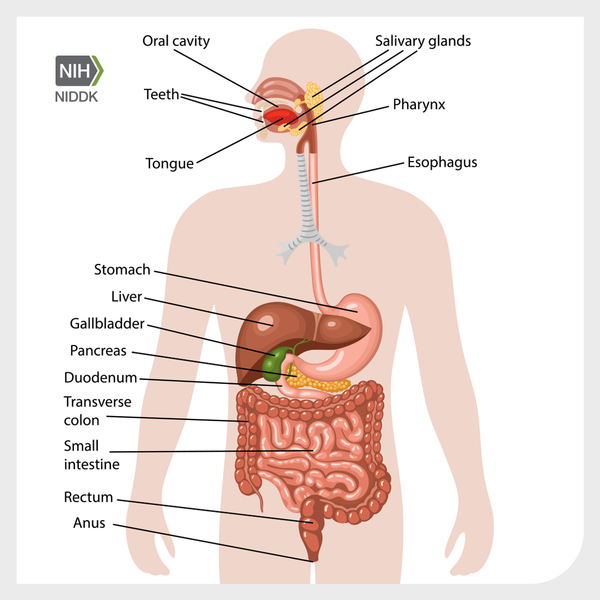
Pathway 1: Impaired nutrient absorption. Iron, B12, magnesium, and zinc are all absorbed in the small intestine, and absorption efficiency depends in part on microbial populations that regulate intestinal permeability and enzymatic activity. A dysbiotic gut with elevated intestinal permeability (the condition sometimes loosely called “leaky gut”) reduces the absorption efficiency of every nutrient that passes through it. This is why a person can have low ferritin, low B12, and low magnesium simultaneously while eating a diet that theoretically contains adequate amounts. The problem is not intake. It is uptake.
Pathway 2: Background immune activation. A dysbiotic microbiome with elevated permeability allows bacterial lipopolysaccharides (LPS) and other microbial products to enter circulation. The immune system responds with low-grade systemic inflammation. This is not the acute inflammation of an infection. It is a simmering background process that elevates inflammatory cytokines (TNF-alpha, IL-6, IL-1beta) and directly suppresses cellular energy production, disrupts sleep architecture, and impairs neurotransmitter synthesis. The result is fatigue that does not correlate with sleep hours or exercise, because the driver is immune activation, not recovery deficit.
Pathway 3: Gut-brain axis signaling. The vagus nerve carries bidirectional signals between the gut and the brain. Gut bacteria produce short-chain fatty acids (SCFAs), serotonin precursors, and other neuroactive metabolites that directly influence mood, motivation, and cognitive clarity. Roughly 90 percent of the body’s serotonin is produced in the gut, not the brain. A dysbiotic gut with reduced SCFA-producing bacteria produces less of the raw material for neurotransmitter synthesis. The cognitive energy drain follows.
What you have probably already tried
A daily probiotic capsule. Capsule probiotics typically deliver one to ten billion CFU (colony-forming units) of two to five bacterial strains. The gut already contains roughly 38 trillion bacteria across hundreds of species. The capsule is a small intervention into a large ecosystem, and the benefit depends entirely on whether those particular strains are what the microbiome actually needs. Fermented foods in the 2021 Stanford trial outperformed probiotics for diversity specifically because they deliver a wider range of living organisms and their metabolites simultaneously.
Eating more fiber. Correct direction. Fiber is the primary fuel source for beneficial gut bacteria. But the type and variety of fiber matters as much as the amount. Thirty different plant foods per week means 30 different fiber substrates that feed 30 different microbial populations. Eating more of the same two or three vegetables does not achieve the same effect as genuinely diversifying plant variety.
Cutting gluten or dairy. For people with celiac disease or diagnosed lactose intolerance, removing the trigger resolves the inflammatory driver. For everyone else, the elimination diet approach treats a symptom pattern without investigating the actual mechanism. Most adults with fatigue and digestive irregularity do not have celiac disease and do not have primary lactose intolerance. They have a dysbiotic microbiome that can be addressed directly without permanent food restriction.
The Livium take. Gut microbiome health is a diversity problem addressable through a specific dietary framework. The interventions are food-based, not supplement-based, and produce measurable changes in microbial composition within two to four weeks of consistent application.
The Livium recipe
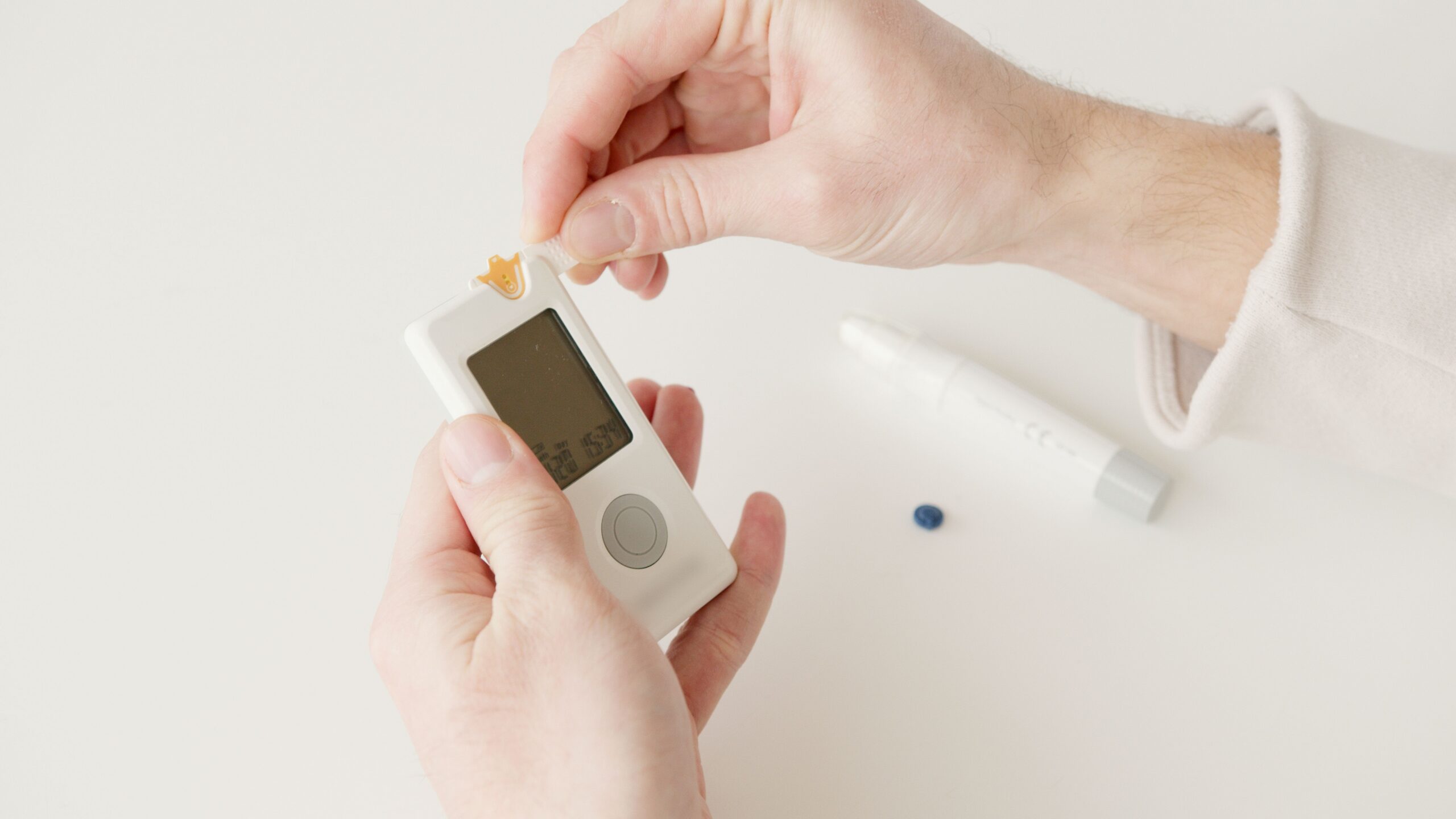
Tool. A CGM is useful here as a secondary diagnostic. If gut dysfunction is driving energy crashes, the CGM will show whether postprandial glucose spikes are disproportionate to the carbohydrate load (a sign of impaired glucose metabolism partly mediated by gut bacteria). This helps separate a glycemic energy problem from a microbiome-driven absorption or inflammation problem, which require different primary interventions. Order through Lofta.
Behavior. Two concrete targets for the next 30 days. First: 30 different plant foods per week. Count varieties, not servings. One serving of broccoli and one serving of cauliflower are two plant foods. Herbs and spices count. This is not a calorie goal; it is a diversity goal. Second: four servings of fermented foods daily. A serving is roughly half a cup of yogurt, kefir, kimchi, sauerkraut, or miso. Variety within the category matters. One brand of yogurt daily is less effective than rotating between kefir, kimchi, and yogurt across the week.
Threshold. Subjective energy and digestive regularity tracked weekly. Most people on the 30-plant-foods protocol report improvement in gut symptoms within two to three weeks and energy improvement within four to six weeks. If fatigue persists despite six weeks on the protocol, the mechanism is likely not primarily gut-driven and the diagnostic sequence should advance to bloodwork (ferritin, B12, fasting insulin) through Function Health.
| Intervention | Mechanism | Evidence level | Timeline |
|---|---|---|---|
| 30 plant foods per week | Feeds diverse microbial populations; increases SCFA production | Strong (British Gut Project) | 2 to 4 weeks |
| 4 servings/day fermented foods | Directly inoculates gut with live diverse organisms and metabolites | Strong (Stanford 2021 RCT) | 2 to 4 weeks |
| Daily probiotic capsule (2 to 5 strains) | Delivers small targeted strain dose | Moderate (condition-specific) | Variable |
| Elimination diet (gluten-free, dairy-free) | Removes inflammatory trigger in diagnosed conditions | Strong for celiac/lactose intolerance; weak for general fatigue | 2 to 4 weeks if trigger is accurate |
Source: Livium editorial synthesis based on NIDDK gut microbiome research, the British Gut Project (2018), and Wastyk et al. (2021) Stanford fermented food trial published in Cell.
Plan of action
- Start counting plant variety this week, not servings. Aim for 30 different plants by Sunday. Herbs, spices, nuts, seeds, legumes, and all vegetables count. You will likely find your current diet clusters around six to eight varieties.
- Add one fermented food to every meal for the next 30 days. Plain yogurt at breakfast. Kimchi or sauerkraut at lunch. Miso soup or kefir as a snack. Rotate variety within the category.
- If you are already supplementing iron or B12 without moving the numbers, consider that impaired gut absorption may be the bottleneck. The protocol above addresses the absorption environment, not just the intake.
- If gut symptoms are significant (persistent bloating, irregular bowel function, post-meal fatigue), a stool microbiome test through a functional medicine provider gives a baseline against which to measure progress. This is optional; the dietary protocol works regardless of the baseline data.
- At six weeks, reassess energy and digestive symptoms. If both have improved, the gut was a contributing driver. If energy is unchanged, advance to the bloodwork panel at Function Health.
Table of Content

Know your body better.
Trusted By Thousands Daily







FAQ
Does the microbiome actually affect energy, or is this still fringe science?
The gut-brain axis and microbiome-immune interaction are well-established mechanisms with significant peer-reviewed evidence accumulated since 2010. The connection between microbiome diversity and energy is less directly causally proven than, say, the connection between ferritin and fatigue. But the mechanistic pathways are clear, the intervention is safe, and the dietary approach (plant diversity plus fermented foods) has secondary benefits regardless of the gut-energy hypothesis.
Can antibiotics cause the kind of gut dysfunction you are describing?
Yes. A course of broad-spectrum antibiotics can reduce microbiome diversity by 25 to 50 percent and take six months to a year to partially recover without intervention. If a significant change in energy or gut function followed a course of antibiotics, that is a plausible causal event. The fermented food and plant diversity protocol is the primary recovery tool.
Is 30 plant foods per week realistic?
More realistic than it sounds. A stir-fry with broccoli, bell pepper, snap peas, onion, garlic, and ginger counts as six plants in one meal. A smoothie with spinach, banana, blueberries, flaxseed, and almond butter is five more. Most people who start counting find they can reach 20 plants in their normal diet and need deliberate additions of eight to ten more to hit 30.
Legal Disclaimer
The content published on Livium Health is for informational and educational purposes only. Nothing on this site constitutes medical advice, diagnosis, or treatment. Always consult a qualified healthcare provider before making decisions about your health, including changes to medications, supplements, diet, or exercise.
Livium Health is not a medical practice and does not have a patient-provider relationship with its readers. We do not sell supplements, medications, or treatments, and we have no financial relationship with the products or services we reference.
While we work to ensure the information we publish is accurate and up to date, health and medical guidance evolves. We make no guarantees about the completeness or currency of any content on this site. Reliance on any information provided by Livium Health is solely at your own risk.
If you are experiencing a medical emergency, call 911 or your local emergency services immediately.
We may receive compensation, free products, or affiliate commissions for products mentioned in this post. Opinions are our own.