
Share
Men's Health
Mental Health
Women's Health
Anxiety after 40: When it’s a symptom, not a personality
8 min read

Key takeaways
- New or worsening anxiety after 40 is frequently driven by physiological changes: hormonal shifts, thyroid dysfunction, sleep deprivation, and cortisol dysregulation. It is a symptom before it is a diagnosis.
- In women, the perimenopause years are a specific vulnerability window. Falling estrogen reduces serotonin activity. Rising cortisol amplifies the nervous system’s baseline agitation. The combination can produce anxiety that is new, surprising, and not what the person thought of as their personality.
- In men, declining testosterone is associated with increased anxiety and mood instability in ways that are often missed because the connection is not widely known or asked about.
- Ruling out physical causes before treating with anxiolytics or antidepressants produces better outcomes. Thyroid, hormones, cortisol, and sleep are the first four places to look.
It arrived sometime in your mid-forties, and you assumed it was you
Not the anxiety of a big event. Not the normal stress of a difficult period. Something different. A baseline hum of agitation that is present even on ordinary days. A racing mind at 4 AM about nothing consequential. A hair-trigger irritability that surprises even you. A sense that your nervous system is running slightly too hot all the time.
The assumption most people make is that this is who they are now. They aged into it. The world got harder. Responsibilities accumulated. The anxiety is the appropriate response to a complicated life.
Sometimes that is true. But often, anxiety that appears or meaningfully worsens after 40 has a physiological driver that is treatable, not a permanent personality trait. The distinction matters because the treatment is completely different.
The physical causes most people never check
Thyroid dysfunction. Hyperthyroidism (an overactive thyroid) produces anxiety, irritability, palpitations, heat intolerance, and sleep disruption that is clinically indistinguishable from generalized anxiety disorder to someone who has not checked the thyroid. Harvard Health is direct: anxiety may be triggered by an overactive thyroid gland, which becomes more common with age. Hypothyroidism can also produce anxiety in some people, particularly with sleep disruption and fatigue as amplifying factors. A TSH test plus free T3 and T4 is the minimum screen. Thyroid antibody testing rules out Hashimoto’s, which can produce swings between states.
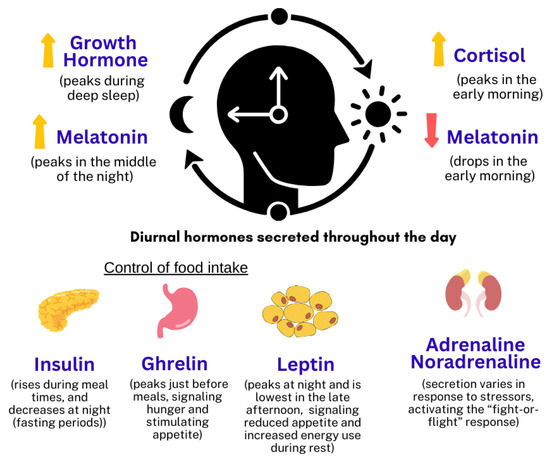
Cortisol dysregulation. Cortisol is the body’s primary stress hormone. It naturally rises in the morning and drops through the day. Chronic stress, poor sleep, and midlife hormonal changes can flatten or invert this curve. Elevated evening cortisol, in particular, produces a physiological state of alertness and agitation that the nervous system cannot easily override. Johns Hopkins notes directly that higher cortisol levels can create feelings of anxiety. This is not metaphorical. It is biochemical. Treating the anxiety without addressing the cortisol pattern is symptomatic management of something that has a root.
Hormonal shifts in women. As estrogen and progesterone decline during perimenopause, serotonin activity falls alongside them. Progesterone has a GABAergic effect (GABA is the nervous system’s primary calming neurotransmitter). When progesterone drops, the nervous system loses some of its natural braking capacity. The result is a baseline of heightened reactivity that shows up as anxiety, irritability, and emotional unpredictability. Johns Hopkins is clear: when estrogen and progesterone levels drop during perimenopause, serotonin levels also fall, contributing to increased irritability, nervousness, and anxiety.
Low testosterone in men. The Harvard data on testosterone and mood is consistent: declining testosterone in men is associated with anxiety, reduced resilience to stress, irritability, and depressive symptoms. Research also shows that higher testosterone levels dampen the HPA stress response, meaning that as testosterone declines, the body’s stress reactivity increases. A man who finds himself more anxious and less resilient in his mid-fifties than at 40 may not have developed an anxiety disorder. He may have low testosterone that is making his nervous system less able to absorb stress.
Sleep deprivation. Chronic sleep debt, even mild and accumulated over years, fundamentally alters emotional regulation. The amygdala (the brain’s threat-detection center) becomes more reactive with insufficient sleep. The prefrontal cortex, which provides the rational check on amygdala reactivity, is disproportionately impaired by sleep loss. The result is an anxious, reactive emotional state that improves with consistent, adequate sleep. Our article on waking between 1 and 4 AM covers the cortisol piece of this in detail.
The Livium take. Anxiety is a smoke alarm. It signals that something is wrong in the system. Treating it with an anxiolytic before understanding what the alarm is responding to is pulling the batteries out. The alarm stops. The fire is still there. The right question is not “how do I feel less anxious?” It is “why is my nervous system running this hot, and is there something physiological driving it that we have not looked at?”
The Livium recipe
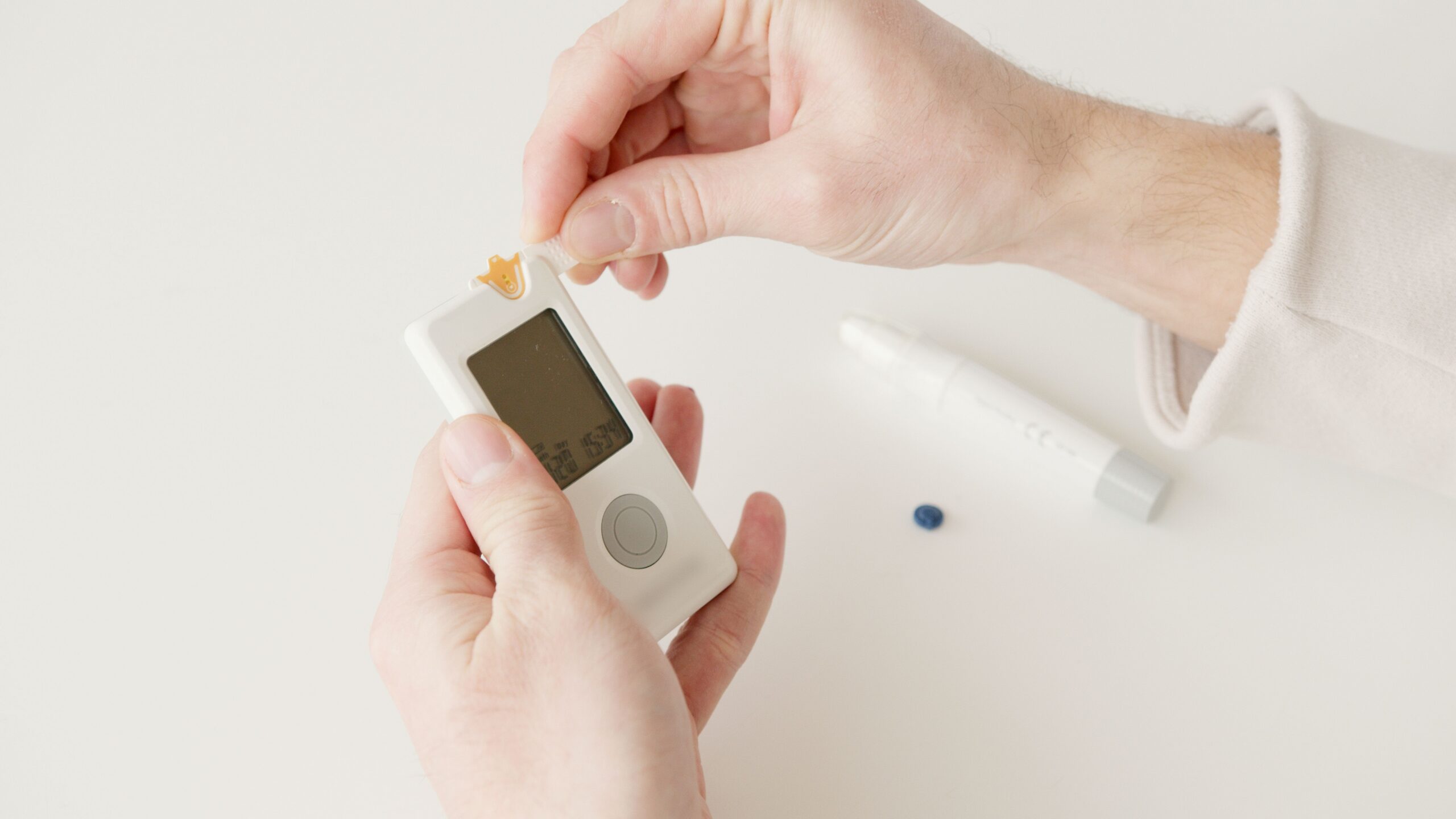
Tool. A full panel before any pharmaceutical intervention. At minimum: TSH, free T3, free T4, thyroid antibodies (TPO and Tg), cortisol (morning and evening if possible), full sex hormone panel (testosterone, estradiol, SHBG, DHEA-S), CBC, and a comprehensive metabolic panel. Function Health covers all of this in a single blood draw plus many additional markers. For men specifically, Hone Health runs the focused hormone panel and interprets it in the context of midlife male health. This is not about avoiding treatment. It is about treating the actual problem.
Behavior. Four levers before any prescription conversation. Sleep: consistent seven to eight hours, fixed wake time, no alcohol within three hours of bed (alcohol fragments sleep and raises overnight cortisol). Exercise: both resistance training and aerobic exercise reduce cortisol, raise BDNF, and improve anxiety symptoms across consistent research. The effect is not small and is not optional if this is a live concern. Caffeine: stimulates cortisol and amplifies the HPA stress response; cutting back to one to two moderate cups before noon significantly reduces the physiological anxiety contribution from caffeine. Evening light reduction: bright light after 9 PM delays melatonin release, elevates cortisol, and keeps the nervous system in an alert state that can feel like anxiety. These are not platitudes. Each has a measurable physiological effect on the anxiety-relevant systems.
Threshold. Run the panel first. If thyroid is off, treat the thyroid. If hormones are contributing, address the hormonal picture with appropriate care. If the workup is clean and anxiety persists after sleep, exercise, and the behavioral foundations are in place, that is a real conversation about CBT-I, therapy, and potentially medication. The sequence matters: physical causes first, then psychological intervention, then pharmacological if needed. Most people arrive at that sequence in reverse.
Physical causes of new or worsening anxiety after 40
| Physical cause | Who it affects most | How to check it | What to look for alongside anxiety |
|---|---|---|---|
| Thyroid dysfunction (hyper or hypo) | Both sexes; more common in women over 40 | TSH, free T3, free T4, TPO antibodies | Palpitations, weight change, heat or cold intolerance, fatigue, hair changes |
| Perimenopause/estrogen decline | Women 40-55 | Estradiol, FSH, progesterone (timed to cycle if premenopausal) | Irregular periods, hot flashes, night sweats, mood swings, brain fog |
| Low testosterone (men) | Men 45+ | Total testosterone, free testosterone, SHBG, LH (morning draw) | Reduced libido, fatigue, loss of muscle, irritability, low motivation |
| Cortisol dysregulation | Both sexes; chronic stress history | Morning and evening cortisol (saliva 4-point test or DUTCH panel) | Fatigue in the morning, second wind at night, poor sleep, weight gain around the middle |
| Sleep deprivation (chronic) | Both sexes | Sleep tracker with HRV data; home sleep test if apnea is suspected | Difficulty concentrating, emotional reactivity, fatigue, afternoon crashes |
| B12 or vitamin D deficiency | Both sexes; more common over 50 | Serum B12, MMA, homocysteine, 25-OH vitamin D | Fatigue, tingling, cognitive fog, low mood alongside anxiety |
Sources: Harvard Health Publishing; Johns Hopkins Medicine; NIMH; Harvard Health (thyroid and mood); research on testosterone and HPA stress axis.
Plan of action
- Run the panel. Thyroid, hormones, cortisol, and a comprehensive metabolic panel before any pharmacological conversation about anxiety management. Function Health covers all of it in one draw. Bring the results to your primary care physician or a specialist who knows how to interpret them in context.
- Prioritize sleep immediately. Not after everything else is figured out. Now. Sleep deprivation is both a cause of anxiety and an amplifier of every other physical contributor on this list. The sleep articles in this library cover insomnia, early waking, and sleep apnea specifically.
- Cut caffeine to morning only and limit to two cups. The physiological anxiety contribution from afternoon caffeine in people running chronically high cortisol is real and underappreciated.
- Add regular exercise. Both resistance training and aerobic exercise reduce anxiety symptoms through reduced cortisol, increased BDNF, and improved sleep quality. The dose is two to four sessions per week. It does not need to be intense.
- If the workup is clean and these behavioral changes do not produce improvement within four to six weeks, that is when a referral to a therapist specializing in CBT is appropriate. CBT for anxiety has the strongest evidence base of any psychological intervention. Medication is a parallel option if the anxiety is severe enough to impair function. But ruling out the physical first changes what medication is even indicated.
Table of Content

Know your body better.
Trusted By Thousands Daily




FAQ
Is it normal to develop anxiety for the first time after 40?
It is common. Anxiety disorders are the most prevalent mental health condition in U.S. adults, and new onset in midlife is not rare. But “common” is not the same as “inevitable” or “untreatable.” The physical contributors listed above are especially likely in anxiety that appears genuinely new in people who did not previously consider themselves anxious. New onset in midlife is a specific reason to rule out physical causes first.
Does menopause cause anxiety or just make existing anxiety worse?
Both. Women with a prior history of anxiety or depression are at higher risk for symptom worsening during perimenopause, because the hormonal changes lower the threshold at which the nervous system tips into anxiety. Women without prior history can develop new-onset anxiety specifically tied to the hormonal transition. Hopkins notes that once perimenopause is complete, and hormone levels stabilize, many women experience a decrease in anxiety, which is diagnostically useful information.
Can hormone therapy help anxiety in perimenopause?
For anxiety driven primarily by the hormonal transition, estrogen therapy can meaningfully reduce symptoms in perimenopausal women, primarily through its effect on serotonin activity and by reducing the hot flashes and sleep disruption that amplify anxiety. It is not a first-line treatment for anxiety in the absence of other menopausal symptoms, and the decision to use hormone therapy involves a broader risk-benefit discussion with a gynecologist or endocrinologist familiar with your full medical history.
What if I have anxiety but everything on the panel looks normal?
A clean panel is useful and reassuring information, not a dead end. It means the anxiety is most likely primary, and the most effective path forward is CBT with a qualified therapist, adequate exercise and sleep hygiene in place, and a considered conversation with a psychiatrist if pharmacological support is appropriate. Primary anxiety disorders are real and treatable. Knowing it is not thyroid or hormones driving it means you can address what is actually there.
Legal Disclaimer
The content published on Livium Health is for informational and educational purposes only. Nothing on this site constitutes medical advice, diagnosis, or treatment. Always consult a qualified healthcare provider before making decisions about your health, including changes to medications, supplements, diet, or exercise.
Livium Health is not a medical practice and does not have a patient-provider relationship with its readers. We do not sell supplements, medications, or treatments, and we have no financial relationship with the products or services we reference.
While we work to ensure the information we publish is accurate and up to date, health and medical guidance evolves. We make no guarantees about the completeness or currency of any content on this site. Reliance on any information provided by Livium Health is solely at your own risk.
If you are experiencing a medical emergency, call 911 or your local emergency services immediately.
We may receive compensation, free products, or affiliate commissions for products mentioned in this post. Opinions are our own.