
Share
Men's Health
Sleep
Women's Health
Waking between 1 and 4 AM: The cortisol problem nobody calls cortisol
9 min read
Key takeaways
- Regular wake-ups between 1 and 4 AM in midlife, with otherwise clean sleep hygiene, almost always trace back to elevated overnight cortisol. The morning stress hormone is firing 3 to 5 hours too early.
- The cortisol pattern is testable. The DUTCH Complete (~$300-$400) maps your full 24-hour pattern using four dried-urine samples, including the cortisol awakening response.
- The fix is 1+1=3. Behavior changes that target the cortisol curve (caffeine cutoff at 1 PM, no intense workouts in the four hours before bed, smaller and earlier dinners, sunlight in the first 30 minutes of waking) plus one tested supplement at a time. Not generic stress management.
- Three weeks is the test window. If the wake-ups are still happening after consistent changes, the answer is testing, not more discipline.
Why you keep waking up at 3 AM and can’t get back to sleep
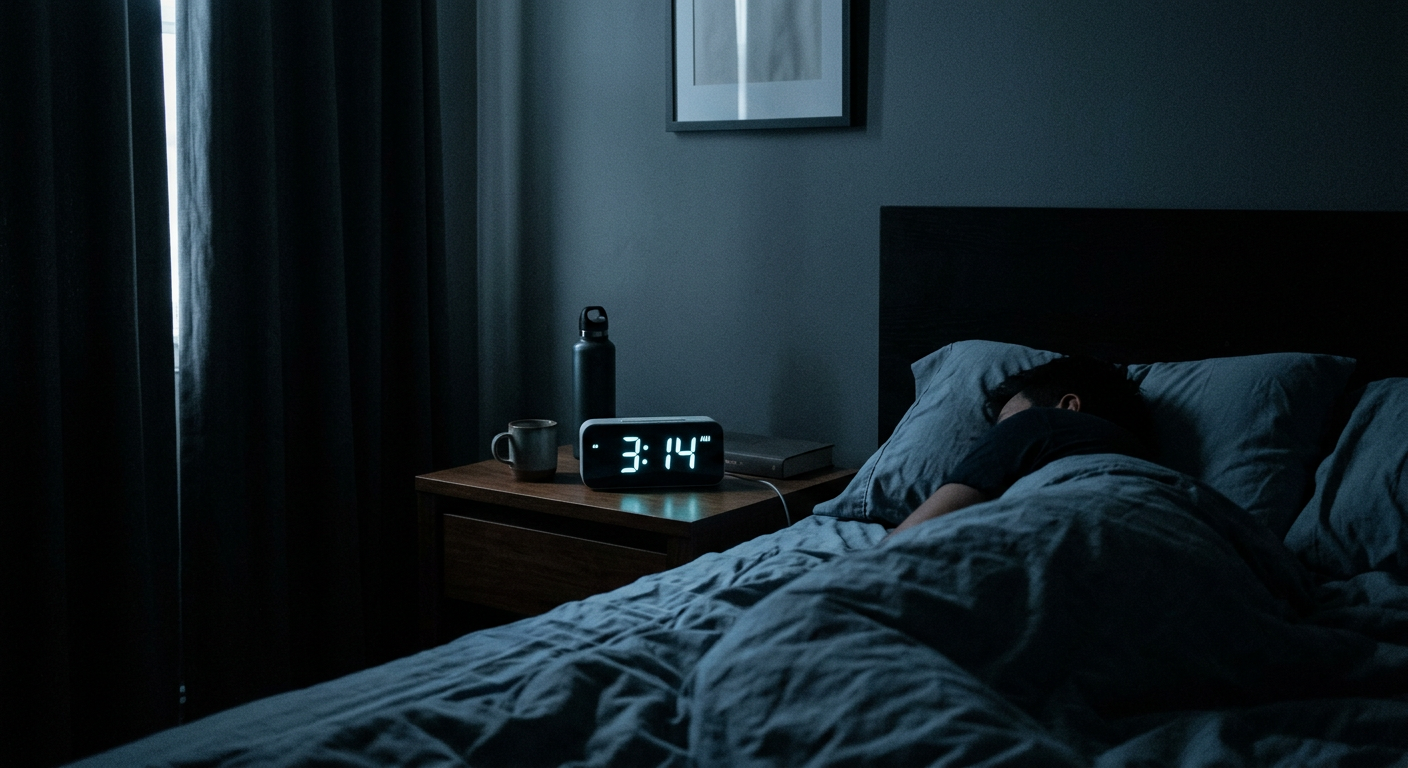
You fall asleep fine. Four or five hours later, your eyes open at 3:14 AM and the racing starts. Yesterday’s conversation. The deadline. That one thing you forgot. By the time you reach for the clock, you’re done. You roll. You try. You give up. You lay there for an hour and finally drift back. Now you’re short, fragmented, dragging through the next day. Week after week, this pattern is almost always cortisol. And it’s one of the more solvable variables in midlife sleep. But only if you stop calling it stress. It’s a hormone.
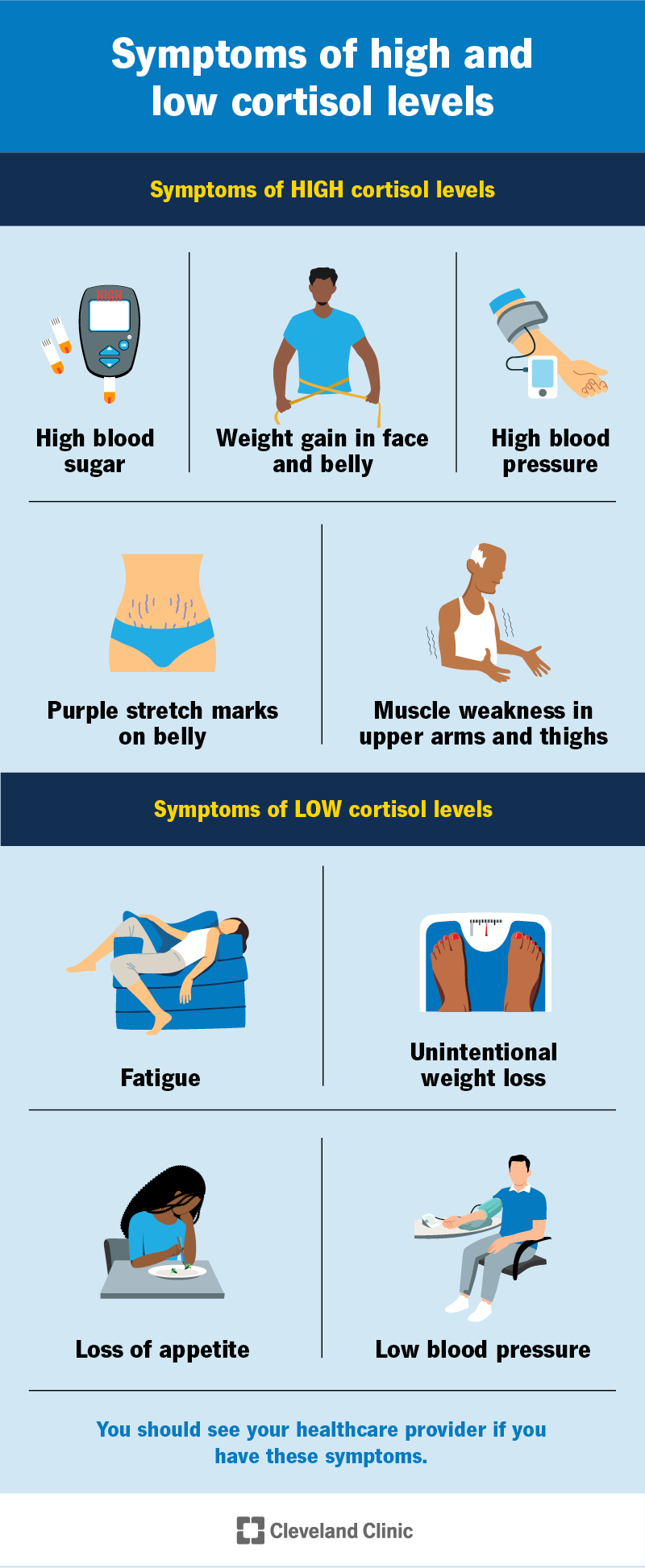
Cortisol is your body’s primary stress hormone. The adrenals make it. The brain regulates it on a 24-hour rhythm. Per the Cleveland Clinic, the level should bottom out at night and peak just before you wake up. When that rhythm slips, the morning spike can fire hours too early. Stress does it. Midlife hormones do it. Alcohol does it. Chronic under-recovery does it. The early spike is the thing waking you.
What’s actually happening at 3 AM
Cortisol moves on a daily cycle. Bottom is around midnight to 2 AM. It starts climbing through the second half of the night. Then it surges hard in the first 30 to 45 minutes after you wake up. That surge has a name: the cortisol awakening response, or CAR. The CAR is what gets you out of bed. It powers your first few hours.
When that rhythm gets dysregulated, the surge starts at 2 or 3 AM instead of 6. Your nervous system reads it as a wake signal. Your eyes open. Your prefrontal cortex catches fire. Cortisol stimulates alertness and cognition, which is why the racing-mind feeling is so consistent. Work problems. The conversation. The deadline. The thoughts feel urgent because the hormone is doing exactly what it was designed to do. Get you up. Get you ready for the day. The day just starts three hours too early.
Midlife stacks against you here, and not for one reason. The feedback loop that’s supposed to suppress overnight cortisol gets noisier with age. Estrogen drops. Testosterone drops. Both of those hormones used to buffer cortisol, and now they don’t. And the visceral fat that tends to show up in your 40s and 50s contains an enzyme that activates cortisol locally, so more belly fat means more cortisol production. The window where the pattern can break gets wider and starts earlier. By 50, you’ve got less margin than you used to.
What you’ve probably already tried
Melatonin. Magnesium glycinate. Earlier bedtime. Screens out of the bedroom. Stress journaling. A meditation app. None of those is a wrong move. Most are useful for general sleep hygiene. But they’re not aimed at overnight cortisol. The 3 AM wake-up persists for so many people for exactly that reason. They already did the basics, and the basics weren’t the variable.
Look at each one. Melatonin gets you to sleep but does almost nothing for the second half of the night. Magnesium glycinate is the real deal for sleep onset and restless legs, less effective for cortisol-driven wake-ups. Earlier bedtime just shifts the wake-up time earlier too. Reducing screens before bed is good practice, but it’s a circadian rhythm fix. Cortisol is a different problem.
So: the wake-up is a hormone problem. The fix has to hit cortisol directly. That means behaviors that lower evening and overnight cortisol, and tools with actual data behind them. Generic stress management is the long way around.
The Livium recipe
Tool. Start with a diagnostic. The DUTCH Complete (around $300-$400, ordered through a functional medicine provider) uses dried urine samples at four time points across 24 hours. It maps the full cortisol pattern, including the CAR. The result tells you exactly where the break is. Elevated overnight. Blunted morning. Late-day spike. A flatline that points to longer-term dysregulation. Each pattern has a different fix. Cheaper options exist. A 4-point saliva panel runs $100-$200 for the pattern alone. A single morning blood cortisol is $30-$80 through a direct lab and only rules out clinical extremes (Cushing or Addison). For the supplement layer, four have actual research behind them for cortisol-driven sleep. Apigenin at 50 mg before bed (Momentous is a credible brand). Glycine at 3 g. Magnesium glycinate at 200-400 mg. L-theanine at 200 mg. Pick one. Run it for 2-3 weeks. Add a second only if the first isn’t enough. Stacking all four at once tells you exactly nothing about which one is doing the work.
Behavior. Caffeine cutoff at 1 PM. Not 2 PM, not “early afternoon.” Caffeine has a half-life of around six hours, so a 4 PM coffee still has a quarter of its peak dose in your system at 10 PM. Push intense workouts out of the four-hour pre-bed window. Train in the morning or early afternoon if cortisol is your issue. Eat dinner earlier and smaller. Large meals within three hours of bed elevate cortisol overnight. Get sunlight on your eyes inside the first 30 minutes of waking. That single habit is the most reliable anchor for the diurnal cortisol rhythm. Cut alcohol entirely for the three-week test window, then reintroduce carefully if you want to.
Threshold. Three weeks. Track the number of 3 AM wake-ups per week (should drop from five-to-seven down to zero-to-two). Track your heart rate variability trend on whatever wearable you have (it should rise as the pattern normalizes). Track morning energy on a 1-to-10 scale. If after three weeks of consistent behavior changes and at least one supplement at the right dose, you’re still waking more than three nights a week, that’s the signal. Order the DUTCH. Take it to a functional medicine clinician or a naturopath who actually reads them. Most primary care doctors will not.
The cortisol curve, and what normal looks like
Before you can spot a broken cortisol pattern, you need to know what a healthy one looks like. The shape matters more than any single number. In a well-regulated adult, cortisol is at its lowest between midnight and 2 AM. It climbs slowly through the second half of the night. The CAR (a 50 percent rise in the first 30 to 45 minutes after waking) is the strongest single marker of a healthy pattern. Then it tapers through the day.
| Time of day | Healthy pattern | Pattern that causes 3 AM wake-ups |
|---|---|---|
| Bedtime (10-11 PM) | Low; winding down | Elevated; mind still racing |
| Midnight to 2 AM | Lowest point of the day | Already starting to climb |
| 3-4 AM | Still low; rising slowly | Spike that wakes you |
| Wake (6-7 AM) | 50 percent rise in first 30 min (CAR) | Flat, or already burned out |
| Morning to noon | High; alert and focused | Low; needing caffeine to function |
| Afternoon to evening | Gradual decline | Crashes early, second wind at 9 PM |
Source: Livium editorial synthesis based on Cleveland Clinic guidance on cortisol and standard endocrinology reference patterns.
Testing your cortisol pattern
Three real testing options exist, plus a free pre-test you should do first. Most people overpay for the wrong test. Worse, they pay for a single morning blood cortisol and walk away with nothing useful, because a single number can’t tell you about a pattern. The whole point is pattern.
| Test | What it measures | Time points | Approx cost | Best for |
|---|---|---|---|---|
| DUTCH Complete (dried urine) | Full diurnal cortisol pattern plus metabolites and sex hormones | 4 collections over 24 hours | $300-$400 | First serious dig into the pattern |
| Saliva (4 or 5 point) | Free cortisol across the day | 4-5 spit samples | $100-$200 | Cheaper screen of the pattern |
| Blood draw (morning) | Single morning cortisol | One point only | $30-$80 via direct lab | Ruling out clinical extremes; not pattern |
| Symptom journal | Wake-up time, energy, caffeine, alcohol, workouts | Daily for 2-3 weeks | Free | Pre-test discipline before paying for a panel |
The free pre-test is the symptom journal. Track for two to three weeks before paying for anything. Wake-up time and clock-time of the racing thoughts. Caffeine timing and total. Alcohol that day. Workout time and intensity. Dinner time and size. By week two, the patterns usually get loud enough that you can start changing behaviors before any test. If the wake-ups stick around after consistent behavior changes, the DUTCH is the next step. Order it through a functional medicine provider, a naturopath, or some integrative-medicine primary care practices.
If your bloodwork is already current (a full panel within the last 6 to 12 months through Function Health or similar), bring it. Thyroid, iron, free testosterone or estradiol, vitamin D, fasting glucose. All of those interact with cortisol, and ruling them in or out shortens the diagnostic loop.
Plan of action
- This week: move your caffeine cutoff to 1 PM. Add the morning sunlight habit, ten minutes outdoors inside the first 30 minutes of waking.
- This week: start a symptom journal. Wake-up time, energy on waking, caffeine, alcohol, workout timing, dinner time. Two to three weeks of notes is more valuable than any single test.
- This week: try one supplement, not all of them. Apigenin at 50 mg before bed is the first one we’d try (Momentous is the credible brand). Give it 14 nights before adding anything else.
- By week two: no intense workouts within four hours of bed. No alcohol within four hours of bed (or none at all during the test window). Dinner earlier and smaller.
- At three weeks: if the wake-ups haven’t dropped meaningfully, order the DUTCH Complete through a functional medicine clinician or naturopath. Don’t order it through a PCP who won’t read it.
- If your wake-up comes paired with elevated overnight body temperature, the Eight Sleep Pod 5 also helps. Keeps the body cool through the cortisol rise. Softens the wake-up trigger.
- Track HRV across the three weeks. The number should rise as the cortisol pattern normalizes. If it doesn’t, the variable isn’t being addressed yet.
Table of Content

Know your body better.
Trusted By Thousands Daily






Is adrenal fatigue real?
The term gets thrown around a lot in the wellness world. Endocrinology doesn’t recognize it. What is real and documented is HPA axis dysregulation, the broader cortisol-rhythm pattern we’re describing here. Same idea, more accurate name. Clinical adrenal insufficiency (Addison’s disease) is a separate, serious diagnosis and it’s rare. If you suspect that, it’s a primary care or endocrinology visit, not a functional medicine workup.
Can I just take a cortisol-blocking supplement?
Some do reduce cortisol response. Phosphatidylserine. Ashwagandha. The data is real, but they’re not the first move. They don’t address the underlying behavior pattern, and once you stop taking them the wake-ups usually come back. Behavior change first. Supplements as adjunct. Testing if the pattern still won’t break.
How is this different from regular anxiety insomnia?
Anxiety insomnia tends to hit at the start: you can’t fall asleep because your mind is racing. Cortisol-driven wake-ups happen mid-night. You fall asleep fine and wake at 2 to 4 AM with the racing. The mechanism is hormonal rather than purely psychological, and the fix follows different rules. The two can show up together.
What about ashwagandha?
Modest data for cortisol reduction. Modest data for mild sleep improvement. Reasonable as part of a stack, less reliable as a single tool. Quality varies dramatically by brand. If you use it, look for KSM-66 or Sensoril; those are the extract forms with the most clinical work behind them.
Should I just see a doctor?
If the pattern has been persistent for more than three months, you’ve tried the behavior changes, and you’re not feeling better, yes. Bring whatever you have. Symptom journal. Tracker HRV trend. Prior bloodwork. Ask for a hormone-aware clinician, not a generalist. A functional medicine doctor or naturopath who orders cortisol panels is the right specialist for this.
Legal Disclaimer
The content published on Livium Health is for informational and educational purposes only. Nothing on this site constitutes medical advice, diagnosis, or treatment. Always consult a qualified healthcare provider before making decisions about your health, including changes to medications, supplements, diet, or exercise.
Livium Health is not a medical practice and does not have a patient-provider relationship with its readers. We do not sell supplements, medications, or treatments, and we have no financial relationship with the products or services we reference.
While we work to ensure the information we publish is accurate and up to date, health and medical guidance evolves. We make no guarantees about the completeness or currency of any content on this site. Reliance on any information provided by Livium Health is solely at your own risk.
If you are experiencing a medical emergency, call 911 or your local emergency services immediately.
We may receive compensation, free products, or affiliate commissions for products mentioned in this post. Opinions are our own.