
Share
Energy & Focus
Men's Health
Women's Health
Why more exercise isn’t giving you more energy: The Zone 2 problem nobody explains
5 min read

Key takeaways
- Most midlife adults who exercise for energy are training at the wrong intensity. High-intensity sessions deplete the energy system they are trying to build. Zone 2 aerobic training builds it.
- Zone 2 (the conversational-pace, sustained-effort zone) is the primary driver of mitochondrial density, fat oxidation, and resting energy levels. It is also the zone most recreational exercisers spend the least time in.
- VO2 max (maximal oxygen uptake) is the best single predictor of long-term energy capacity and longevity. It declines at roughly 1 percent per year after 35 without specific training. Zone 2 is the most efficient way to maintain and rebuild it.
- Three Zone 2 sessions per week at 45 to 60 minutes each produces measurable energy improvement within six to eight weeks. That is the dose.
You exercise. You are still tired
This is the paradox that drives people to stop exercising. You are doing the right thing. Showing up four times a week, working hard, sweating. The result is not the burst of sustained energy the wellness content promised. The result is a harder workout and a more tired afternoon.
The workout itself is not the problem. The intensity distribution is. Almost every recreational exerciser trains at too high an intensity too often, never spending meaningful time in the aerobic base zone where mitochondrial adaptation happens. The sessions feel productive. They are not building the engine.
Elite endurance athletes spend 80 percent of their training time in Zone 2. Recreational exercisers typically spend 80 percent in Zones 3 and 4 (harder, glycolytically driven). That intensity pattern depletes. It does not build.
What is actually happening
Cellular energy production runs primarily through two pathways: oxidative phosphorylation (aerobic, fat-burning, runs in mitochondria, produces large amounts of ATP efficiently) and glycolysis (anaerobic, sugar-burning, produces ATP faster but less efficiently, produces lactate as a byproduct). Zone 2 training specifically develops the oxidative pathway by stimulating mitochondrial biogenesis, the production of new mitochondria in muscle cells.
More mitochondria means more capacity to burn fat at rest, better resting energy levels, faster recovery from effort, and a higher ceiling for what the aerobic system can sustain. Mitochondrial density is one of the primary cellular determinants of energy. It declines with age and sedentary behavior. It responds directly to Zone 2 training.
VO2 max is the downstream measure of this system and the single best predictor of long-term mortality in epidemiological studies, outperforming blood pressure, cholesterol, and body mass index (BMI). It declines at roughly 1 percent per year after 35 with training and roughly 3 percent per year without. Zone 2 is the most efficient stimulus for maintaining and rebuilding it after 40.
What you have probably already tried
HIIT for energy. High-intensity interval training is effective for improving cardiovascular fitness and insulin sensitivity. It is not effective as a primary tool for building aerobic base or improving resting energy levels, because it does not spend enough time in the zone where mitochondrial adaptation occurs.
Adding more workout days. If you are already doing four hard sessions per week and feeling depleted, adding a fifth deepens the problem. More training volume at the wrong intensity produces more depletion. The fix is not frequency. It is intensity distribution.
Pre-workout supplements and stimulants. These drive the session but do not build the aerobic base that produces resting energy. You are borrowing energy you have not yet generated. The account stays negative.
The Livium take. Most recreational exercisers are training for fitness metrics (calories burned, pace, heart rate peaks) rather than the specific physiological adaptation that produces sustainable energy. Zone 2 training feels almost insultingly easy to someone used to working hard. That is the point. Easy enough to hold for 45 minutes. Consistent enough to do three times a week. That is the dose that builds the engine.
The Livium recipe
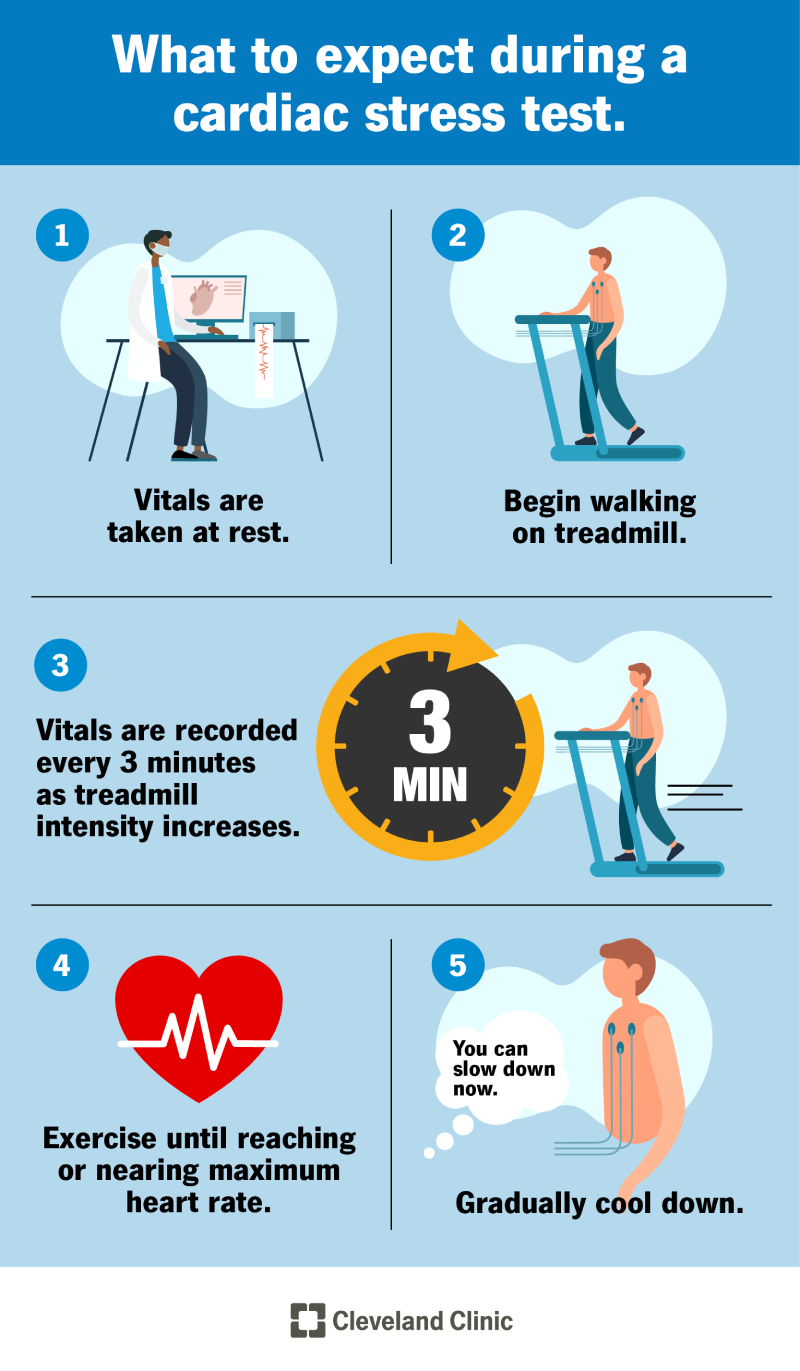
Tool. A heart rate monitor and a wearable that tracks Zone 2 time. Garmin, Apple Watch, Whoop, and Polar all display training zones. Zone 2 is roughly 60 to 70 percent of maximum heart rate, or the pace where you can hold a full conversation without laboring. The field test: if you could not sing a verse during the effort, you are above Zone 2.
Behavior. Three Zone 2 sessions per week at 45 to 60 minutes each. Brisk walking, steady cycling, rowing, or easy jogging all qualify. The modality does not matter; the intensity does. One strength session per week for muscle preservation. The 80/20 principle applies: 80 percent of weekly training time in Zone 2, 20 percent at higher intensity.
Threshold. VO2 max improvement is the meaningful metric, and most wearables estimate it. Target: maintain or increase your VO2 max score over 12 weeks. Subjectively, resting energy and afternoon performance should improve by weeks six to eight. The feel of Zone 2 also changes: effort that initially seemed awkwardly slow becomes comfortably sustainable, which is the sign that aerobic base is building.
| Training zone | % of max heart rate | Primary energy system | Builds mitochondrial density? |
|---|---|---|---|
| Zone 1 (Recovery) | Under 60% | Fat oxidation (low rate) | Minimally |
| Zone 2 (Aerobic base) | 60 to 70% | Fat oxidation (peak rate) plus aerobic ATP | Yes. Primary zone for mitochondrial biogenesis |
| Zone 3 (Aerobic threshold) | 70 to 80% | Mixed aerobic and glycolytic | Some, but depletes more than it builds |
| Zone 4 (Anaerobic threshold) | 80 to 90% | Primarily glycolytic | Cardiovascular adaptation; not mitochondrial base |
| Zone 5 (Max effort) | Above 90% | Anaerobic glycolysis | No. Recovery deficit |
Source: Livium editorial synthesis based on National Institute on Aging exercise physiology guidance and peer-reviewed Zone 2 training literature.
Plan of action
- This week, replace two current hard sessions with Zone 2 sessions. Set a timer for 45 minutes. Go at the pace where you can hold a conversation. It will feel slow. Do it anyway.
- Track Zone 2 minutes on your wearable. Target 135 to 180 minutes per week (three sessions at 45 to 60 minutes each).
- Keep one higher-intensity session per week. The 80/20 split is not zero high-intensity.
- At eight weeks, check your VO2 max estimate on your wearable. If it has improved, the base is building. If it has not moved, add a fourth Zone 2 session per week for the next four weeks.
- If fatigue persists despite consistent Zone 2 training for eight weeks, the exercise deficit is not the primary driver. Return to the diagnostic sequence: bloodwork, home sleep test, hormone panel.
Table of Content

Know your body better.
Trusted By Thousands Daily






FAQ
I only have 30 minutes most days. Is Zone 2 worth it at that length?
Yes, though 45 to 60 minutes is where the primary mitochondrial adaptation occurs. Thirty minutes three times per week is better than nothing and better than 30 minutes of high-intensity three times per week for resting energy purposes. Start with what your schedule allows.
Does brisk walking count as Zone 2?
For many people over 40 who are not already aerobically trained, yes. Brisk walking at 3.5 to 4 mph can put a deconditioned person squarely in Zone 2. Use the talk test: if you can carry on a conversation but would not want to sing, you are in the zone. As fitness improves you will need to move faster to stay in Zone 2 because your aerobic system becomes more efficient.
What about strength training for energy?
Strength training is essential for muscle preservation, hormonal health, insulin sensitivity, and bone density after 40. It is not the primary driver of resting energy or mitochondrial density. The Livium recommendation is Zone 2 as the primary energy-building tool and resistance training as the essential companion, not a replacement.
Legal Disclaimer
The content published on Livium Health is for informational and educational purposes only. Nothing on this site constitutes medical advice, diagnosis, or treatment. Always consult a qualified healthcare provider before making decisions about your health, including changes to medications, supplements, diet, or exercise.
Livium Health is not a medical practice and does not have a patient-provider relationship with its readers. We do not sell supplements, medications, or treatments, and we have no financial relationship with the products or services we reference.
While we work to ensure the information we publish is accurate and up to date, health and medical guidance evolves. We make no guarantees about the completeness or currency of any content on this site. Reliance on any information provided by Livium Health is solely at your own risk.
If you are experiencing a medical emergency, call 911 or your local emergency services immediately.
We may receive compensation, free products, or affiliate commissions for products mentioned in this post. Opinions are our own.