
Share
Energy & Focus
Men's Health
Women's Health
The number on your wrist that tells you how depleted you are before you feel it
6 min read
Key takeaways
- Heart rate variability (HRV) measures the variation in time between consecutive heartbeats. Higher HRV reflects a well-recovered autonomic nervous system (ANS). Lower HRV reflects physiological stress, even when the feeling of stress has not yet arrived consciously.
- HRV is the most actionable recovery metric on consumer wearables because it reports baseline status in milliseconds each morning, before the cognitive effects of depletion are obvious enough to notice.
- HRV is highly individual. The meaningful signal is your trend relative to your own 60-day baseline, not a comparison to population averages or the number on someone else’s device.
- Three interventions have the strongest evidence for raising HRV baseline: consistent Zone 2 aerobic training, consistent sleep timing, and a pre-sleep breathing protocol (slow nasal breathing at roughly 5 to 6 breaths per minute).
Your HRV dropped 18 percent this week. You did not know
You slept seven hours. The day looks manageable on paper. But by 11 AM something is off. Decision fatigue arrives earlier than usual. The afternoon session that normally feels fine feels like wading. You add an extra coffee at 2 PM and chalk it up to a bad night.
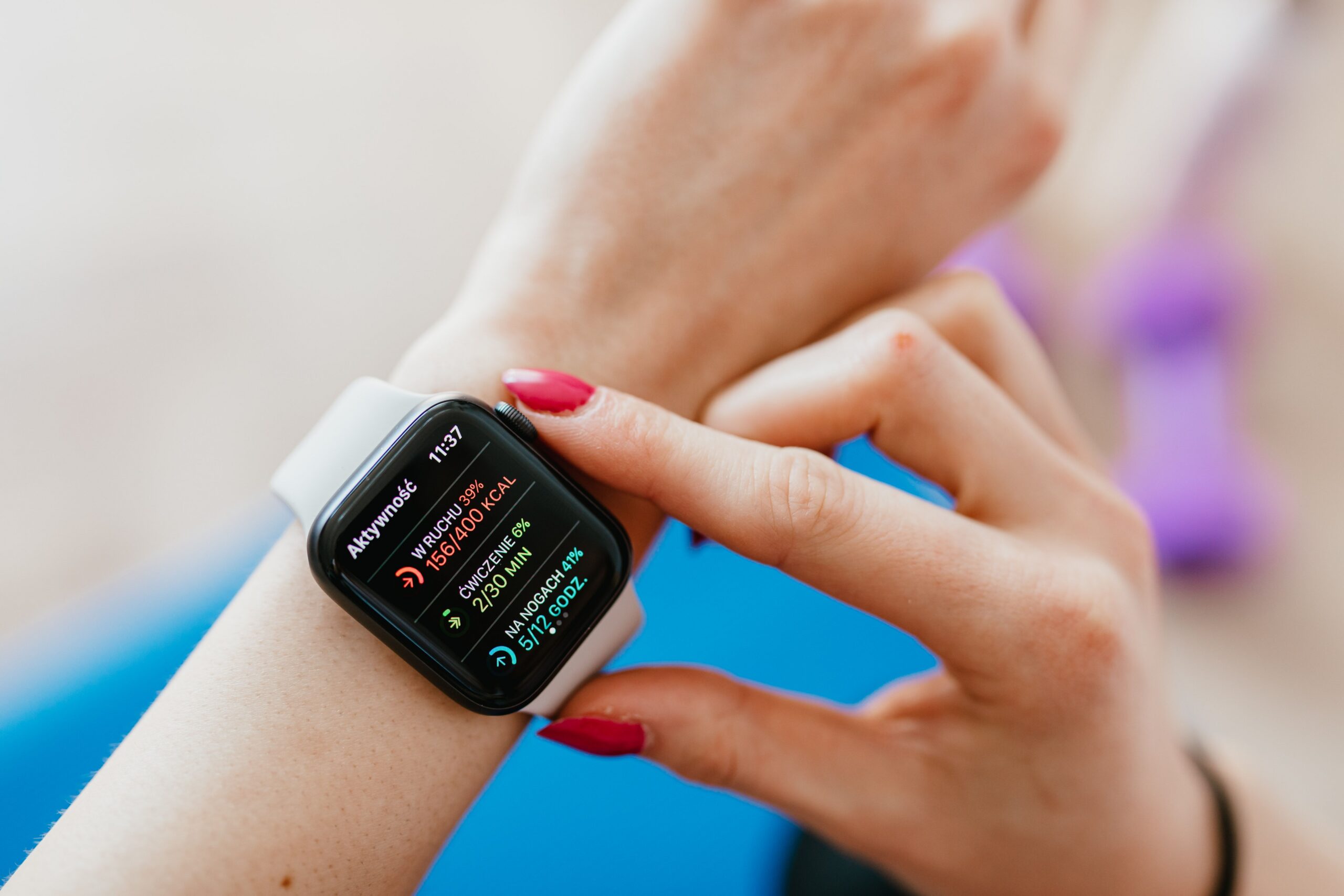
Three days ago your Whoop or Garmin or Oura Ring showed an HRV score 18 percent below your 60-day baseline. That number was already telling you what you would not feel for 72 hours. You went to the gym hard on days one and two, which compounded the deficit further. By day four you are running on physiological debt with no idea why the week feels harder than it should.
This is the use case for HRV tracking. Not motivation. Not self-quantification for its own sake. A biometric early warning system that reports ANS recovery status 48 to 72 hours before subjective depletion is obvious enough to change your behavior.
What is actually happening
The heart does not beat with perfect mechanical regularity. Beat-to-beat intervals vary in milliseconds based on the balance between the sympathetic nervous system (the accelerator: stress, exertion, fight-or-flight) and the parasympathetic nervous system (the brake: rest, recovery, digestion). When the parasympathetic system is dominant, as it should be during sleep and recovery, the variation is higher because the brake modulates each beat fluidly. When the sympathetic system is dominant, the variation narrows as the heart is driven more mechanically.
High HRV is a marker of parasympathetic dominance: well-recovered, resilient, ready for physiological and cognitive demand. Low HRV reflects sympathetic dominance: stressed, under-recovered, less able to mount an effective response to any new demand, physical or mental. The ANS does not distinguish between training stress, work stress, poor sleep, alcohol, or illness. All of it lands in the same score.
This is what makes HRV uniquely useful for energy management after 40. As the autonomic nervous system becomes less resilient with age (a normal physiological process), the gap between “feeling fine” and “actually recovered” widens. HRV measures the gap objectively before the subjective signal arrives.

What you have probably already tried
Ignoring the score and training anyway. This is the most common pattern. The wearable shows a low HRV or a low recovery score. You train hard because the schedule says to. Three days later the fatigue is obvious. The device was right. The behavior did not change. The value of HRV data is entirely downstream of willingness to modify the training plan based on what it shows.
Focusing on absolute HRV numbers. A 22 ms HRV and a 72 ms HRV can both represent a well-recovered person, depending on individual baseline. HRV is not meaningful as an absolute number compared across people. It is meaningful as a trend compared to your own recent history. The question is not “is my HRV good?” The question is “is my HRV above or below my 60-day trend?”
Meditation apps for stress. Consistent meditation raises HRV baseline in studies. The effect is real and reproducible. It is also slow. A daily 10-minute meditation practice may raise your 60-day HRV average by 3 to 5 percent over several months. A 5-minute slow breathing protocol at the correct resonance frequency (5 to 6 breaths per minute) can raise acute HRV meaningfully within a single session. Both are useful; the breathing protocol has a faster feedback loop.
The Livium take. HRV is a readout, not a solution. The interventions that move the number are Zone 2 aerobic training (raises the parasympathetic baseline structurally over weeks), consistent sleep timing (the single largest daily HRV input), alcohol reduction (one to two drinks suppresses overnight HRV by 10 to 20 percent), and the pre-sleep breathing protocol. Fix those four inputs and the number moves. Track it to confirm.
The Livium recipe
Tool. Any of the following wearables provides clinically meaningful HRV data: Whoop 5.0, Garmin Fenix/Forerunner series, Oura Ring Gen 5, Apple Watch Series 9 or later. The device matters less than wearing it consistently and establishing a 60-day baseline. HRV data from fewer than 30 nights of consistent wear is not statistically meaningful. Build the baseline before drawing conclusions from individual readings.
Behavior. Three evidence-based HRV inputs in order of impact. First: consistent sleep timing. Going to bed and waking within 30 minutes of the same time every day is the highest-impact single variable for HRV baseline. Second: Zone 2 aerobic training three times per week at 45 to 60 minutes per session raises the structural parasympathetic baseline over six to eight weeks. Third: a 5-minute slow nasal breathing protocol before sleep at 5 to 6 breaths per minute (5 seconds inhale, 5 seconds exhale) shifts the ANS toward parasympathetic dominance heading into the first sleep cycle, which is where the most HRV recovery occurs.
Threshold. HRV trend line moving upward over a 60-day rolling average. Subjective energy and afternoon performance improving in parallel. If HRV baseline is flat or declining despite consistent training and sleep protocol, alcohol consumption is the most likely suppressor to address next. Even modest regular alcohol (two to three drinks on evenings) is enough to suppress HRV trend over months without an acute single-night effect that is obvious.
| HRV input | Effect on HRV baseline | Timeline | Effort |
|---|---|---|---|
| Consistent sleep timing (within 30 min daily) | Largest single input; stabilizes ANS rhythm | 2 to 4 weeks | Behavioral only |
| Zone 2 training 3x/week | Raises structural parasympathetic baseline | 6 to 8 weeks | Moderate. 135 to 180 min/week |
| Pre-sleep slow nasal breathing (5 to 6 breaths/min) | Acute parasympathetic activation pre-sleep | Same night | Low. 5 minutes |
| Alcohol reduction (under 2 drinks/night) | Removes primary overnight HRV suppressor | 1 to 2 weeks | Moderate. Requires behavioral change |
| Ignoring low HRV and training hard anyway | Further suppresses HRV, adds to recovery debt | Immediate and cumulative | The most common mistake |
Source: Livium editorial synthesis based on American Heart Association autonomic nervous system research and published HRV intervention trials.
Plan of action
- If you wear a wearable already, check whether it reports HRV. Whoop, Garmin, Oura, and Apple Watch all do. Enable the HRV metric and commit to 30 days of uninterrupted wear to build a baseline before drawing conclusions.
- Set a consistent bedtime and wake time this week, including the weekend. Within 30 minutes both directions. This is the highest-leverage single behavior for HRV improvement.
- Add the 5-minute pre-sleep breathing protocol tonight: lie down, breathe through the nose only, inhale for 5 seconds, exhale for 5 seconds, for five minutes. Check overnight HRV the next morning for an acute response.
- When your HRV score is below your 60-day baseline by more than 10 percent, modify the day’s training to Zone 2 or recovery only. Treat the score as data, not a challenge.
- At 60 days, compare HRV trend to baseline. If the line is flat or negative despite the three protocol changes, the next variable to examine is alcohol. Even moderate regular drinking is enough to suppress HRV trend over months.
Table of Content

Know your body better.
Trusted By Thousands Daily



FAQ
My HRV is 22 ms. Is that bad?
Not necessarily. HRV values vary enormously between individuals based on age, fitness level, genetics, and measurement method. A 22 ms HRV that is 15 percent above your personal 60-day average means you are well-recovered. A 22 ms HRV that is 20 percent below your average means you are depleted. The absolute number is not meaningful across people. Your trend relative to your own baseline is what matters.
Which wearable has the most accurate HRV?
Chest strap heart rate monitors (Polar H10) provide the most clinically accurate HRV data because they measure electrical cardiac activity directly. Among wrist-based consumer devices, Whoop and Oura have the most validated HRV algorithms in the published literature as of 2024. Apple Watch and Garmin provide useful trend data but use slightly different measurement windows. Consistency within one device matters more than which device you choose.
Does coffee affect HRV?
Acutely, yes. Caffeine raises sympathetic activity and can suppress HRV for several hours after consumption. For this reason, HRV is best measured first thing in the morning before caffeine intake. Most wearables that track overnight HRV are measuring it during sleep, which avoids this confound. Morning measurement after coffee is not recommended for baseline tracking.
Legal Disclaimer
The content published on Livium Health is for informational and educational purposes only. Nothing on this site constitutes medical advice, diagnosis, or treatment. Always consult a qualified healthcare provider before making decisions about your health, including changes to medications, supplements, diet, or exercise.
Livium Health is not a medical practice and does not have a patient-provider relationship with its readers. We do not sell supplements, medications, or treatments, and we have no financial relationship with the products or services we reference.
While we work to ensure the information we publish is accurate and up to date, health and medical guidance evolves. We make no guarantees about the completeness or currency of any content on this site. Reliance on any information provided by Livium Health is solely at your own risk.
If you are experiencing a medical emergency, call 911 or your local emergency services immediately.
We may receive compensation, free products, or affiliate commissions for products mentioned in this post. Opinions are our own.