
Share
Men's Health
Sleep
Women's Health
Doxepin, trazodone, and the sleep drugs your doctor reaches for last
6 min read

Key takeaways
- Z-drugs (zolpidem, eszopiclone) remain the most commonly prescribed sleep medications despite a worse safety profile than several newer alternatives.
- Low-dose doxepin (3 mg, 6 mg) is the only sleep medication specifically FDA-approved for sleep maintenance insomnia. Most GPs are unaware that the dose exists.
- Dual orexin receptor antagonists (DORAs) like suvorexant and lemborexant work by turning off the wakefulness signal rather than sedating the brain. No physical dependence. Better cognitive profile the next morning.
- All three are available via telehealth. A home sleep test first rules out untreated OSA, which renders any sleep medication largely ineffective.
The prescription you are probably not being offered
You describe your insomnia to a GP. You walk out with a prescription for zolpidem or a suggestion to try melatonin. Neither fixes the problem. Zolpidem builds tolerance in weeks, suppresses slow-wave sleep, and carries a dependency risk. Melatonin addresses sleep timing in people with a circadian problem, which is a different problem from the one most insomnia patients actually have.
Three medication classes have substantially better profiles for chronic adult insomnia, particularly the maintenance subtype (falling asleep is fine, staying asleep is not). They are doxepin at low dose, trazodone, and the dual orexin receptor antagonists (DORAs). All three are available by prescription. Telehealth access through Hims Sleep puts all of them within reach without a specialist referral.
The prescribing habits have not kept up with the pharmacology. That gap is the article.
What each one actually does
Low-dose doxepin (Silenor, 3 mg or 6 mg) works by blocking histamine H1 receptors selectively at very low doses. Histamine is a wakefulness-promoting neurotransmitter. At 3 mg, doxepin does not produce the anticholinergic side effects (dry mouth, constipation, urinary retention) associated with the antidepressant doses of the same drug (75 to 150 mg). It has no dependency risk and no tolerance buildup. The FDA approved it specifically for sleep maintenance insomnia. It is the only drug approved for that indication at that mechanism. Most general practitioners have never written this prescription.
Trazodone is an antidepressant at full dose (150 to 300 mg) but a sedating antihistamine and serotonin modulator at sleep doses (25 to 100 mg). It is widely used off-label for insomnia, has no meaningful dependency risk, and tends to help with sleep onset and maintenance simultaneously. Its sedating effect is primarily from histamine and alpha-1 adrenergic blockade. It is generic. It is cheap. And it has been used safely for decades at these doses.
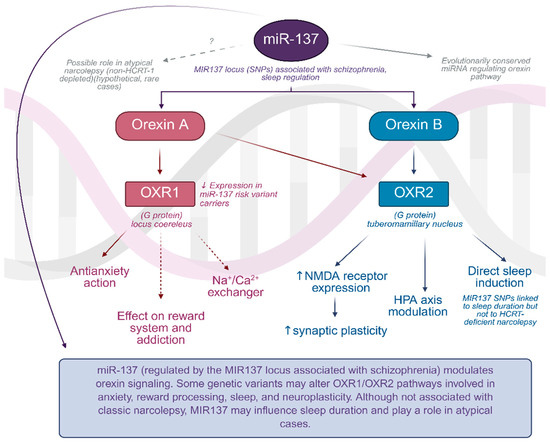
DORAs (suvorexant / Belsomra, lemborexant / Dayvigo) block orexin receptors in the lateral hypothalamus. Orexin (also called hypocretin) is the brain’s primary wakefulness-promoting peptide. DORAs turn off the wake signal rather than imposing sedation. The result is sleep that is neurochemically closer to natural sleep than any other pharmacological option. No rebound insomnia, no physical dependence, better next-day alertness than Z-drugs. The downside is cost. They are not yet generic.
Why Z-drugs dominate despite worse outcomes
Zolpidem (Ambien) launched in 1992. A generation of physicians trained on it. It is generic, familiar, and fast. For acute situational insomnia lasting a few nights, it is reasonable. For chronic maintenance of insomnia in a midlife adult, it is the fire alarm approach: it suppresses the symptom without touching the cause.
Z-drugs suppress slow-wave sleep. That is the stage when growth hormone is released, and cellular repair occurs. Chronic Z-drug use in middle age is essentially trading short-term sleep onset for long-term deterioration in the most restorative part of the sleep cycle. The FDA added a black-box warning for complex sleep behaviors in 2019. The prescribing habits have been slow to change.
The Livium recipe
Tool. Before starting any sleep medication, get a home sleep test from Lofta. Undiagnosed obstructive sleep apnea (OSA) makes insomnia medications substantially less effective and, in some cases, counterproductive. If you have an Oura Ring, SpO2 dips below 94 percent on multiple nights is a strong enough signal to prioritize the sleep test before the medication conversation.
Behavior. Once OSA is ruled out, book a telehealth sleep consultation through Hims Sleep. Be specific about your insomnia subtype: difficulty falling asleep, difficulty staying asleep, or both. That distinction determines whether doxepin (maintenance), a DORA (onset and maintenance), or trazodone (flexible dosing, both subtypes) is the better starting point. Come with your tracker data. The physician can use it.
Threshold. A successful medication trial looks like: sleep onset under 20 minutes, wake-after-sleep-onset under 30 minutes, no significant next-day cognitive impairment, and improved subjective sleep quality. Track these with your wearable for four weeks before drawing conclusions. If the first option does not move all four, there are two more on this list.
Sleep medication comparison
| Drug | Mechanism | Best for | Dependency risk | Slow-wave sleep |
|---|---|---|---|---|
| Zolpidem (Ambien) | GABA-A potentiation | Acute onset insomnia, short-term | High | Suppressed |
| Low-dose doxepin (Silenor) | Histamine H1 blockade | Sleep maintenance insomnia | None | Preserved |
| Trazodone | Histamine + serotonin modulation | Onset and maintenance, flexible | Very low | Largely preserved |
| DORAs (suvorexant, lemborexant) | Orexin receptor blockade | Onset and maintenance, best next-day profile | None | Preserved |
| Melatonin (OTC) | Circadian timing signal | Jet lag, circadian misalignment only | None | No effect |
Source: Livium editorial synthesis based on Hims Sleep prescribing resources and AASM Clinical Practice Guidelines for Chronic Insomnia.
What to do tonight while you sort out the prescription side
The medication conversation takes time. A telehealth consultation, a prescription, and a pharmacy fill take about a week. These four things cost almost nothing, require no prescription, and address the environmental and nutritional variables that compound maintenance insomnia regardless of which drug you end up with.
Magnesium glycinate. 200 to 400 mg before bed. Magnesium modulates GABA receptors and reduces cortical hyperarousal, the same mechanism as some prescription sleep aids, at a fraction of the potency and with zero dependency risk. It will not fix clinical insomnia on its own. It belongs in the stack regardless of what you are prescribed. Available on Amazon for under $25 a month.
Blackout sleep mask. Light is a wakefulness signal. Even dim ambient light through closed eyelids suppresses melatonin and increases arousal threshold during the second half of the night, exactly when maintenance insomnia strikes. A Manta sleep mask produces a complete blackout and costs under $40. It is the single cheapest environmental intervention with a measurable effect on sleep maintenance.
White noise machine. Noise arousals are a common driver of middle-of-the-night waking that no sleep medication addresses directly. A white noise machine masks the acoustic spikes that pull the sleeping brain toward wakefulness. Under $50. Works the first night.
Sleep tracker. You cannot optimize what you are not measuring. An Oura Ring tracks the percentage of deep sleep, HRV, and resting heart rate nightly. When you start a new medication, you will want a baseline to compare against. Start the tracker before the prescription, not after.
Plan of action
- If you are currently taking zolpidem nightly and have been for more than two months, do not stop abruptly. Book a telehealth consultation with Hims Sleep to discuss a tapering protocol and transition to a better option.
- If you have never had a sleep study, get a Lofta home sleep test before starting anything new. Untreated OSA and insomnia treatment are a counterproductive combination.
- Ask specifically about low-dose doxepin if your primary complaint is waking in the second half of the night. Most GPs will not offer it without being prompted. The dose is 3 mg or 6 mg, not the 75 mg antidepressant dose.
- Track your results with an Oura Ring or similar wearable. Deep sleep percentage and HRV are the markers most likely to move with effective insomnia treatment.
Table of Content

Know your body better.
Trusted By Thousands Daily






FAQs
Can I get doxepin or a DORA through Hims without seeing a specialist first?
Yes. Hims Sleep offers telehealth consultations with licensed providers who can prescribe these medications where clinically appropriate. The consultation covers your sleep history, current medications, and any relevant conditions before any prescription is issued.
Is trazodone addictive?
Trazodone is not a controlled substance and carries no meaningful physical dependence risk at sleep doses (25 to 100 mg). Discontinuation effects are mild and manageable with a gradual taper. This is a significant advantage over benzodiazepines and Z-drugs for anyone who has concerns about long-term medication use.
Do DORAs work for sleep-onset insomnia, or just for maintenance?
Both. The orexin system promotes wakefulness throughout the night. Blocking it helps with both falling asleep and staying asleep. DORAs are the most versatile option in this class for mixed-subtype insomnia, which is the most common pattern in adults over 40.
Legal Disclaimer
The content published on Livium Health is for informational and educational purposes only. Nothing on this site constitutes medical advice, diagnosis, or treatment. Always consult a qualified healthcare provider before making decisions about your health, including changes to medications, supplements, diet, or exercise.
Livium Health is not a medical practice and does not have a patient-provider relationship with its readers. We do not sell supplements, medications, or treatments, and we have no financial relationship with the products or services we reference.
While we work to ensure the information we publish is accurate and up to date, health and medical guidance evolves. We make no guarantees about the completeness or currency of any content on this site. Reliance on any information provided by Livium Health is solely at your own risk.
If you are experiencing a medical emergency, call 911 or your local emergency services immediately.
We may receive compensation, free products, or affiliate commissions for products mentioned in this post. Opinions are our own.