
Share
Energy & Focus
Men's Health
Women's Health
B12 deficiency: Why the fatigue you blame on aging might be fixable
6 min read
Key takeaways
- Up to 20% of adults over 50 may have borderline B12 deficiency. Most have no idea. The symptoms arrive so gradually they get attributed to aging, stress, or overwork.
- The absorption problem starts in the stomach, not the diet. After 40, stomach acid production declines. Without enough acid, the body cannot extract B12 from food.
- Standard blood B12 levels can look normal even when the cells are running short. Methylmalonic acid (MMA) is the more sensitive marker.
- Treatment is straightforward once you catch it. Oral supplements work for most people. Some need sublingual or injected forms. Left unchecked, the neurological damage becomes irreversible.
The flat tire you didn’t notice until the rim was on the pavement
B12 deficiency does not arrive like a diagnosis. It arrives like a slow leak. Fatigue that seems a little worse than usual. Some tingling in the fingers that comes and goes. A feeling that your thinking is slightly slower than it should be. Brain fog that lands somewhere between Monday morning and just getting older.
By the time those symptoms are obvious enough to bring to a doctor, the deficiency has often been building for years. The liver stores B12 in quantities large enough to last several years on a depleted diet before symptoms appear. Which means the window between “the problem started” and “I notice something is wrong” is measured in years, not weeks.
An estimated 3.2% of adults over 50 have critically low B12 levels. Up to 20% have borderline deficiency. Both numbers suggest this is among the most common and consistently missed contributors to midlife fatigue.
Why absorption is the real problem
Most people assume B12 deficiency is a diet problem. It is more often an absorption problem.
B12 from food requires stomach acid to separate it from the proteins it is bound to. Once free, it needs a protein called intrinsic factor, made by cells in the stomach lining, to travel through the small intestine into the bloodstream. Both of those mechanisms degrade with age.
Stomach acid production drops after 40. Atrophic gastritis, a condition in which the stomach lining thins gradually, affects a significant proportion of older adults and can severely impair B12 absorption. Proton pump inhibitors and H2 blockers, both extremely common after 40, reduce stomach acid as their primary mechanism and directly impair B12 absorption as a side effect. Metformin, the most commonly prescribed drug for type 2 diabetes and increasingly used off-label for longevity, also impairs B12 absorption through a separate mechanism.
None of this shows up in how much B12 you eat. It shows up in how much your body actually gets.

Why your B12 test can look normal when you’re actually deficient
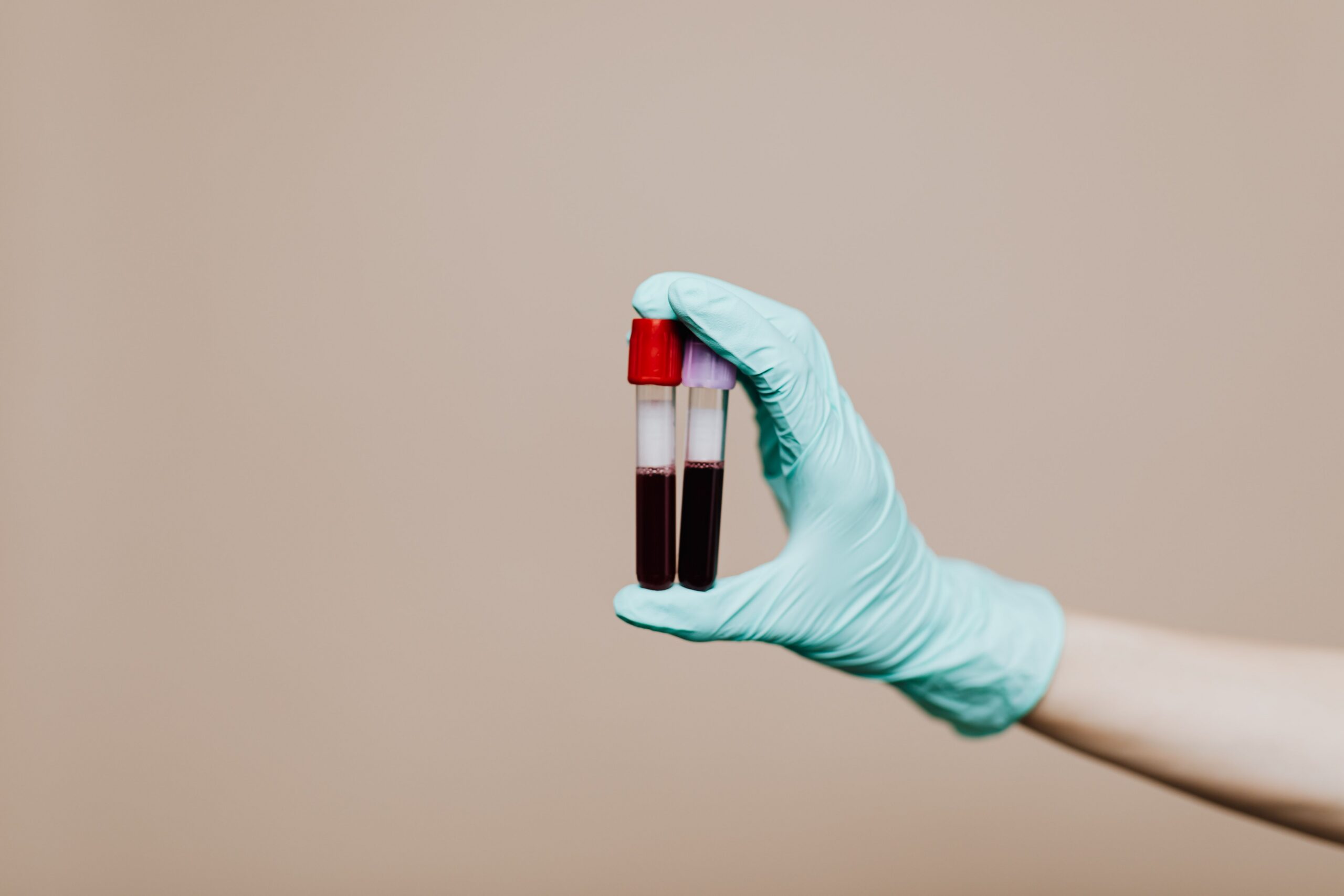
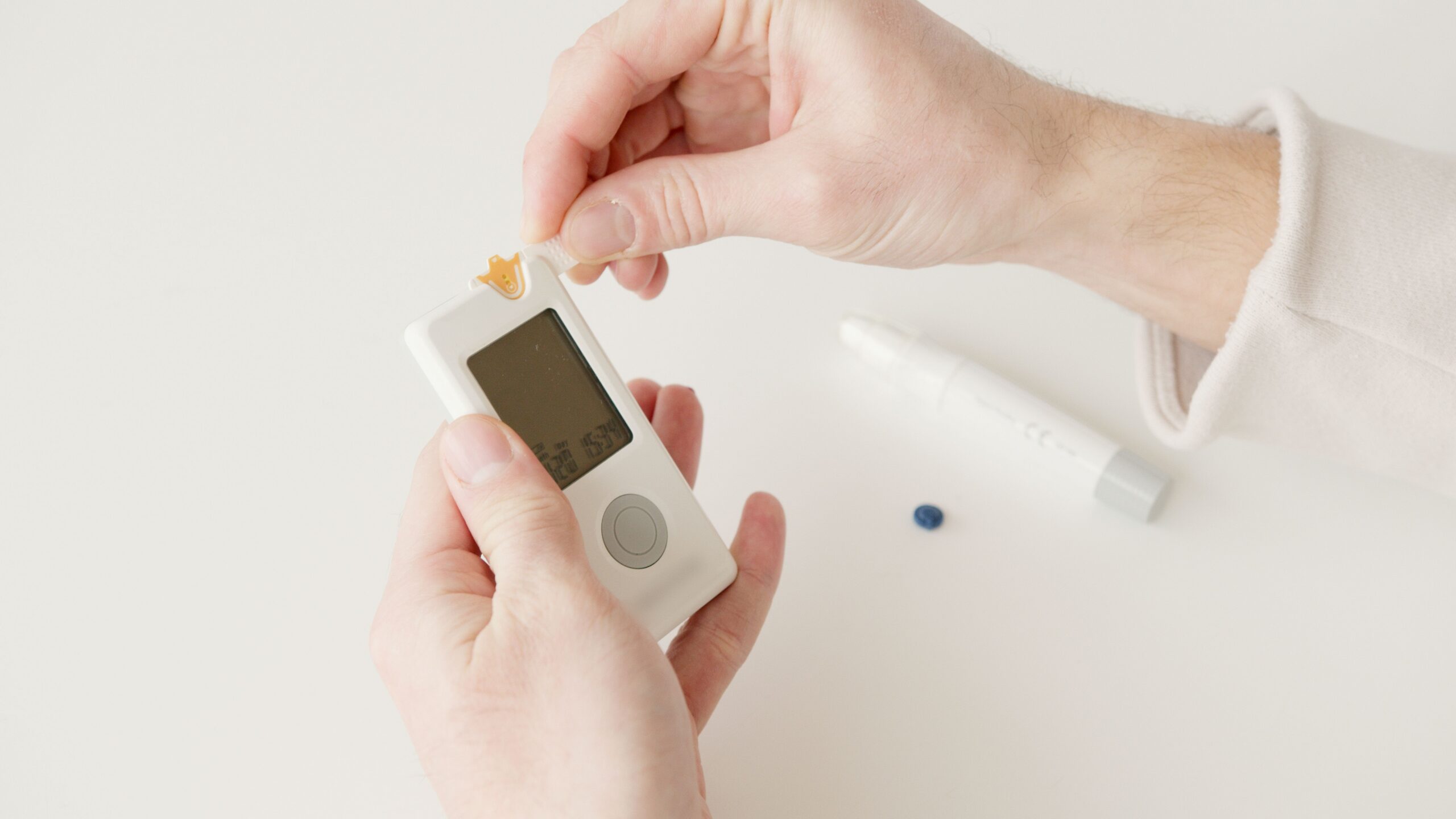
Standard serum B12 levels measure total B12 in the blood. The problem is that the number includes inactive B12 bound to transport proteins that the cells cannot actually use. You can have a blood level that looks adequate yet have functionally deficient cells.
Methylmalonic acid (MMA) is a more sensitive marker. MMA is a metabolite that accumulates when cells do not have enough active B12 to run a specific enzymatic reaction. Elevated MMA in the blood means the cells are running short, regardless of what the B12 level says. Harvard endocrinologist Dr. Meir Stampfer: many people have serum B12 levels in the low-normal range that appear fine on a standard panel but are associated with elevated MMA, suggesting a functional deficiency.
Homocysteine is a second confirmatory marker. High homocysteine alongside low-normal B12 is a fairly reliable signal of functional deficiency. Elevated homocysteine also independently raises cardiovascular risk, which makes it worth knowing regardless.
The Livium recipe
Tool. A full panel that includes serum B12, methylmalonic acid, homocysteine, and complete blood count. The B12 number alone is not enough. Function Health includes all of these in its standard panel, alongside the 100-plus other biomarkers that catch what most annual physicals miss. If your doctor runs a standard panel, specifically request MMA and homocysteine in addition to B12.
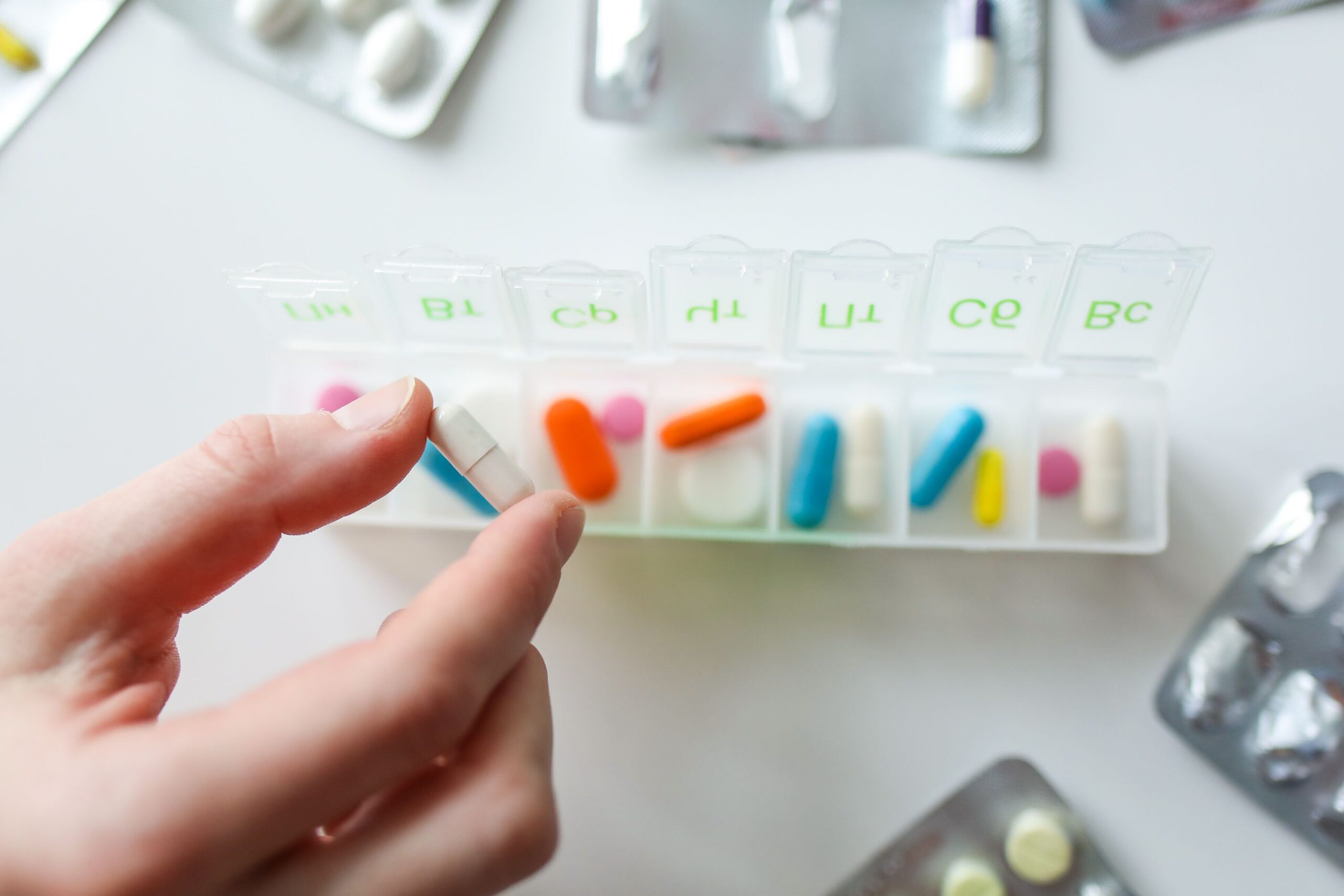
Behavior. If deficiency is confirmed, the treatment depends on severity and cause. Oral supplements at 1000 mcg daily work well for most people with dietary or mild absorption issues. Sublingual B12 bypasses stomach acid dependency and is often more effective for people with atrophic gastritis or on PPIs. Injections are used for severe deficiency or documented pernicious anemia. If you are on metformin, talk to your doctor about monitoring more frequently. The supplementation is cheap and the difference in how you feel, once levels normalize, is often striking.
Threshold. B12 levels and MMA improve within weeks of supplementation. Neurological symptoms (tingling, balance issues, cognitive fog) can take months to resolve and may not fully reverse if deficiency was severe and prolonged. This is why early detection matters. Run the panel first, treat the deficiency if found, retest at 12 weeks.
Who is most at risk
| Risk factor | Why it matters | How common |
|---|---|---|
| Age over 50 | Declining stomach acid and thinning stomach lining impair absorption of food-bound B12 | Up to 20% borderline deficient over age 50 |
| PPI or H2 blocker use | Acid-suppressing drugs directly impair B12 liberation from food | Extremely common in adults over 40; one of the most prescribed drug classes |
| Metformin use | Impairs B12 absorption via calcium-dependent mechanism in the ileum | Affects roughly 30% of long-term metformin users |
| Vegetarian or vegan diet | B12 is found almost exclusively in animal products; plant sources are negligible | Nearly universal deficiency risk without supplementation |
| Autoimmune history | Pernicious anemia: antibodies attack intrinsic factor, blocking absorption completely | Less common but frequently missed; oral supplements do not work |
| Significant alcohol use | Impairs B12 absorption and accelerates depletion from liver stores | Common cofactor in adults whose deficiency was not caught early |
Sources: Harvard Health Publishing; Johns Hopkins Medicine; NIH Office of Dietary Supplements.
Plan of action
- Run the panel. Request serum B12, methylmalonic acid, homocysteine, and CBC from your doctor, or use Function Health for a comprehensive baseline that includes all of these and more.
- If you are on a PPI, H2 blocker, or metformin, flag this to your prescribing doctor and ask about B12 monitoring frequency. Annual testing is reasonable. It is not standard practice, so you have to ask.
- If deficiency is confirmed, start supplementation. Most people do well on 1000 mcg oral methylcobalamin or cyanocobalamin daily. People with absorption issues (atrophic gastritis, pernicious anemia, PPI use) should consider sublingual forms. Discuss injection protocols with your doctor for severe cases.
- Retest at 12 weeks to confirm levels are rising. MMA normalization is the most reliable confirmation that cellular uptake is improving, not just blood levels.
- Do not wait for neurological symptoms. By the time you have tingling in your hands or balance problems, the deficiency has been running for a long time. Earlier is always better.
Table of Content

Know your body better.
Trusted By Thousands Daily








FAQ
Can I get enough B12 from food?
If you eat meat, fish, eggs, and dairy and have a healthy stomach, probably. But after 40, the absorption machinery becomes the variable, not the diet. Even people eating plenty of B12-rich foods can become deficient if stomach acid is low or the stomach lining is thinned. Dietary B12 is bound to protein and requires acid to free it. Supplemental B12 is in free form and is absorbed without acid, which is why supplements often work even when dietary sources do not.
Is there such a thing as too much B12?
B12 is water-soluble, and excess is excreted in urine. There is no established upper tolerable intake level because toxicity from oral supplementation has not been demonstrated. Very high levels in the blood without supplementation can sometimes indicate liver disease or blood cancer and warrant investigation, but that is a different situation from supplementation-related elevation.
Why do my energy levels drop on metformin?
Metformin is an effective drug for blood sugar management and has long-term data to support its use. It also depletes B12 in roughly a third of long-term users. If your energy has dropped since starting metformin and your B12 level has not been checked recently, that is the first place to look.
Does brain fog from B12 deficiency resolve after supplementation?
For most people, yes, though it takes time. Brain fog from B12 deficiency is partly neurological and partly hematological (from the associated anemia). Both improve with treatment, but neurological recovery is slower than hematological recovery. Most people report noticeable improvement within 4 to 8 weeks of supplementation.
Legal Disclaimer
The content published on Livium Health is for informational and educational purposes only. Nothing on this site constitutes medical advice, diagnosis, or treatment. Always consult a qualified healthcare provider before making decisions about your health, including changes to medications, supplements, diet, or exercise.
Livium Health is not a medical practice and does not have a patient-provider relationship with its readers. We do not sell supplements, medications, or treatments, and we have no financial relationship with the products or services we reference.
While we work to ensure the information we publish is accurate and up to date, health and medical guidance evolves. We make no guarantees about the completeness or currency of any content on this site. Reliance on any information provided by Livium Health is solely at your own risk.
If you are experiencing a medical emergency, call 911 or your local emergency services immediately.
We may receive compensation, free products, or affiliate commissions for products mentioned in this post. Opinions are our own.