
Share
Energy & Focus
Men's Health
Women's Health
Bloodwork for energy: The 6 numbers your doctor probably isn’t checking
6 min read
Key takeaways
- A standard annual physical panel misses six markers that directly drive energy: ferritin, vitamin D, fasting insulin, free T3, DHEA-S, and B12 with methylmalonic acid (MMA).
- “In range” is not the same as optimal. Reference ranges are calibrated from population averages that include sick and aging people. The range that prevents anemia is not the range where you feel good.
- Function Health runs a 100-plus marker panel that includes all six. No doctor’s order required.
- Do not supplement B12 before testing. B12 supplementation raises blood levels and masks a deficiency on the panel.
Your labs came back fine. You still feel terrible
This is one of the most common sentences in a midlife adult’s medical history. The primary care visit, the basic panel, the follow-up call: “Everything looks good. Your cholesterol is a little high, keep watching the diet, but otherwise you’re healthy.”
And you are still dragging through every afternoon. Still hitting the wall by 3 PM. Still waking with less energy than the night deserves. Nothing is wrong, apparently. And yet.
The problem is not that the labs lied. The problem is that the labs did not check for what is causing the problem. Standard panels catch acute illness and screen for common chronic disease. They are not designed to identify the metabolic and nutritional gaps that produce chronic fatigue in otherwise healthy adults.
What is actually happening
Energy production at the cellular level depends on a specific set of inputs: iron for oxygen transport, active thyroid hormone for mitochondrial function, vitamin D for broad cellular signaling, B12 for neurological energy and red blood cell production, fasting insulin as a proxy for metabolic efficiency, and DHEA-S (dehydroepiandrosterone sulfate) as a marker of adrenal reserve and hormonal vitality.
If any one of these is suboptimal, the result is fatigue. Not dramatic fatigue. Steady, background, hard-to-pin-down fatigue that does not respond to more sleep or more coffee because it is not a sleep or caffeine problem. It is a cellular input problem.
These six markers are rarely grouped together on a single order. Ferritin requires a specific order separate from hemoglobin. Free T3 requires an explicit order beyond TSH. Fasting insulin requires an explicit order beyond fasting glucose. DHEA-S is almost never ordered unless a hormone specialist is involved. The gaps are not accidental. They are gaps in standard practice.
The six markers, one at a time
Ferritin. Stored iron. Not the same as hemoglobin. A hemoglobin that reads normal means you are not anemic yet. Ferritin below 50 to 70 ng/mL means iron stores are low and the body is prioritizing critical functions over energy and cognition. Fatigue, hair loss, cold hands, poor concentration all appear at suboptimal ferritin levels well before hemoglobin falls. Target: above 70 ng/mL.
Vitamin D (25-OH). The 25-hydroxyvitamin D test measures circulating vitamin D. Reference ranges call “sufficient” at 20 ng/mL. That is the floor for preventing rickets, not the level for optimal energy and immune function. Target: 50 to 80 ng/mL. Below 30 ng/mL produces measurable fatigue and mood disruption.
Fasting insulin. Fasting glucose measures blood sugar after an overnight fast. Fasting insulin measures how much insulin the pancreas had to produce to achieve that glucose level. A fasting glucose of 94 with a fasting insulin of 18 mIU/L is a very different metabolic picture than the same glucose with an insulin of 4 mIU/L. Target: fasting insulin under 7 mIU/L. Above 10 mIU/L with normal glucose is a metabolic warning that almost no standard panel catches.
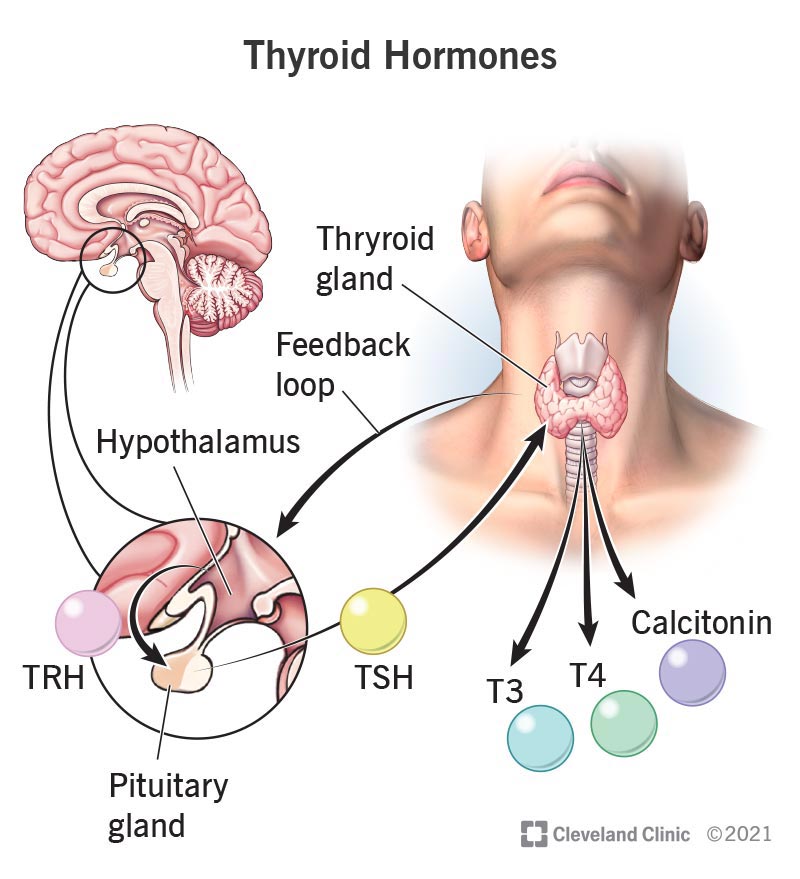
Free T3. The active thyroid hormone that runs cellular metabolism. TSH is the pituitary’s demand signal to the thyroid. Free T3 is what the cells actually receive. You can have a normal TSH while free T3 sits in the lower third of the reference range, enough to explain chronic fatigue, slow metabolism, cold intolerance, and difficulty with weight. Target: free T3 in the upper third of the reference range for your lab.
DHEA-S. The adrenal precursor hormone the body converts to testosterone, estrogen, and other hormones. DHEA-S declines steadily from peak levels in the mid-20s. By 50, most adults have 50 to 60 percent of their peak levels. Low DHEA-S correlates with fatigue, low motivation, and reduced stress capacity. Target: mid-range or above for your age bracket on the lab reference range.
B12 with methylmalonic acid (MMA). Standard B12 measures total serum B12 without distinguishing active from inactive forms. Methylmalonic acid accumulates when B12 is functionally low even if the serum B12 number looks fine. Target: serum B12 above 400 pg/mL and MMA in the normal reference range. Critical: do not take B12 supplements in the two weeks before testing. They will raise your blood level and mask the deficiency.
The Livium recipe
Tool. Order a full panel through Function Health. All six markers are included in the 100-plus marker panel. Results come annotated with reference ranges and flags. No doctor’s order required.
Behavior. Stop all supplements for two weeks before the draw, specifically B12, iron, and vitamin D. Fast for 12 hours before the draw (water only). Schedule the draw in the morning. Testosterone and cortisol both have natural morning peaks and getting an accurate morning baseline matters for interpreting results in context.
Threshold. All six markers in the targets listed above, not just “in range.” Retest at 12 weeks after any supplementation or intervention to confirm the numbers moved. If all six are already optimal and fatigue persists, the mechanism is elsewhere: sleep apnea, dysregulated cortisol curve, or low testosterone are the next places to look.
| Marker | What it measures | Functional target | On standard panel? |
|---|---|---|---|
| Ferritin | Stored iron | Above 70 ng/mL | Rarely |
| Vitamin D (25-OH) | Circulating vitamin D | 50 to 80 ng/mL | Sometimes |
| Fasting insulin | Insulin required to maintain fasting glucose | Under 7 mIU/L | Almost never |
| Free T3 | Active circulating thyroid hormone | Upper third of reference range | Almost never |
| DHEA-S | Adrenal precursor hormone and hormonal reserve | Mid-range or above for age | Almost never |
| B12 plus MMA | Active B12 availability (serum alone is insufficient) | B12 above 400 pg/mL, MMA in range | MMA almost never |
Source: Livium editorial synthesis based on NIH Office of Dietary Supplements, Function Health panel reference ranges, and functional medicine clinical targets.
Plan of action
- Stop B12, iron, and vitamin D supplements two weeks before the draw. Schedule the draw in the morning after a 12-hour fast.
- Order the Function Health panel. All six markers are included and results arrive annotated.
- When results arrive, prioritize in this order: ferritin first (most common, simplest to address), vitamin D second, fasting insulin third (actionable with food behavior), free T3 fourth (requires a prescriber), DHEA-S and B12 fifth.
- Bring out-of-range results to a functional medicine doctor or endocrinologist, not a primary care doctor unless they have a specific interest in metabolic and hormone optimization.
- Retest at 12 weeks after any intervention. Energy markers respond to treatment but do not move overnight. Give the protocol time before declaring it successful or failed.
Table of Content

Know your body better.
Trusted By Thousands Daily





FAQ
Can I just supplement all six rather than test?
No. Iron supplementation with normal or high ferritin causes harm. High-dose vitamin D without monitoring raises toxicity risk. Supplementing B12 before testing masks the deficiency on the panel. Test first. Supplement based on results.
Why does Function Health cost a subscription rather than per-test?
The annual membership covers two full panels per year plus result interpretation. The cost of ordering these six markers individually through a standard lab service often exceeds the membership price, particularly for DHEA-S and methylmalonic acid tests.
What if all six are optimal and I am still tired?
The next diagnostic branch is sleep apnea (home sleep test), cortisol curve (DUTCH test), and testosterone (men) or estrogen (women). The bloodwork panel rules out the most common nutritional and metabolic contributors. Sleep and hormones are the next tier.
Legal Disclaimer
The content published on Livium Health is for informational and educational purposes only. Nothing on this site constitutes medical advice, diagnosis, or treatment. Always consult a qualified healthcare provider before making decisions about your health, including changes to medications, supplements, diet, or exercise.
Livium Health is not a medical practice and does not have a patient-provider relationship with its readers. We do not sell supplements, medications, or treatments, and we have no financial relationship with the products or services we reference.
While we work to ensure the information we publish is accurate and up to date, health and medical guidance evolves. We make no guarantees about the completeness or currency of any content on this site. Reliance on any information provided by Livium Health is solely at your own risk.
If you are experiencing a medical emergency, call 911 or your local emergency services immediately.
We may receive compensation, free products, or affiliate commissions for products mentioned in this post. Opinions are our own.