
Share
Men's Health
BPC-157 for injury recovery: What it is and what remains uncertain
7 min read
Key takeaways
- BPC-157 is a synthetic peptide studied in animals for tissue repair, but it is not FDA-approved and has not undergone controlled human trials.
- Sourcing is unregulated, raising concerns about product purity, dosing accuracy, and contamination in products sold online or through wellness clinics.
- The peptide may influence healing pathways based on animal research, but effectiveness and safety in humans remain uncertain.
- Anyone considering BPC-157 should work with a knowledgeable provider, use third-party tested sources, and understand the risks of using an experimental therapy without long-term data.
Why BPC-157 is being discussed for tissue repair
BPC-157 is a synthetic peptide derived from a protein found in human gastric juice. It has drawn attention in performance and recovery communities because early animal studies suggest it may support tendon, ligament, and muscle healing. People recovering from injuries or managing chronic soft tissue issues are exploring it as a potential tool to accelerate repair.
Despite growing curiosity, BPC-157 is not FDA-approved for human use. It is not classified as a prescription drug, supplement, or food additive. Most evidence supporting its use comes from animal research, and limited controlled human data exists. Understanding both the appeal and the limitations matters before considering it.
This article explains what BPC-157 is, why it is being used, what current research shows, and what uncertainties and safety concerns exist.
What BPC-157 is and how it may work
BPC-157 stands for Body Protection Compound-157. It is a 15-amino acid sequence created in a lab to mimic a portion of a naturally occurring peptide in the stomach lining. The original peptide is believed to play a role in protecting and healing the gastrointestinal tract.
The synthetic version has been studied in animal models for its potential effects on tissue repair beyond the gut. These studies have explored its impact on tendons, ligaments, bones, and muscles after injury.
Proposed mechanisms based on animal research
- May promote angiogenesis, the formation of new blood vessels that support healing
- May influence growth factor activity involved in tissue regeneration
- May reduce inflammation in damaged tissue
- May support collagen formation during the repair process
These effects are inferred from preclinical models. They have not been consistently demonstrated in human trials, and the exact biological pathways remain unclear.
Why people are exploring BPC-157 for injury recovery
BPC-157 has gained traction in athletic, biohacking, and performance optimization circles. It is often discussed in the context of tendon injuries, muscle tears, joint pain, and slow-healing soft tissue damage.
People report using it to address issues like tennis elbow, rotator cuff injuries, Achilles tendonitis, and ligament strain. Some also use it proactively during training cycles to manage wear and tear or support recovery between intense sessions.
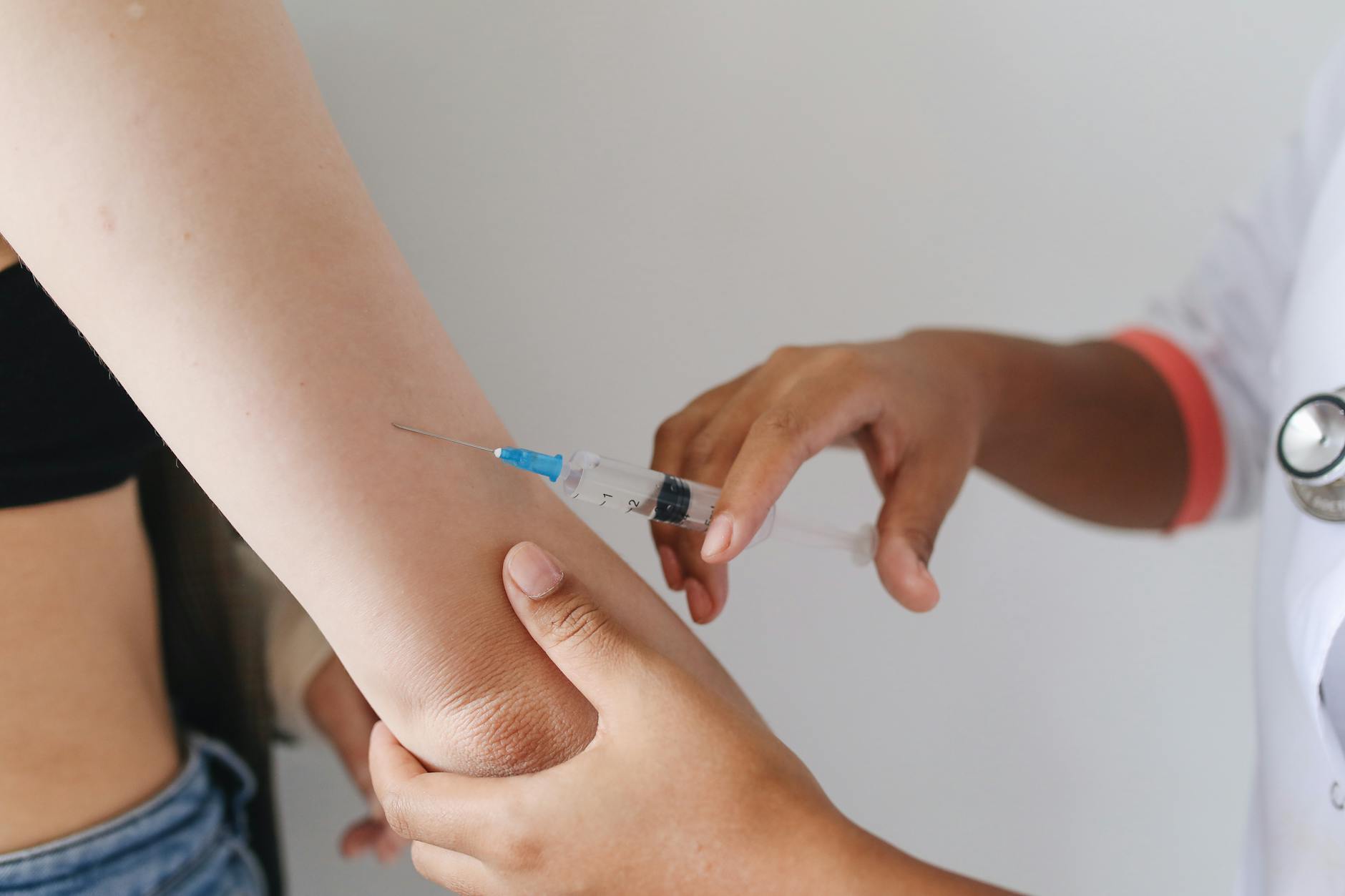
The peptide is typically administered via subcutaneous or intramuscular injection, though oral and topical forms are also marketed. Dosing protocols vary widely and are not standardized. Most usage is based on anecdotal reports or recommendations from online communities rather than clinical guidelines.
Part of the appeal is the perception that peptides like BPC-157 offer a more targeted approach to recovery than general anti-inflammatory strategies or rest alone. Perception does not equal evidence, and use remains experimental.
What the research actually shows
Most studies on BPC-157 have been conducted in rats and mice. These studies have shown promising results in models of tendon injury, ligament damage, and bone healing. Some research also suggests potential benefits for gastrointestinal repair and protection against ulcers.
Animal models do not always translate to humans. Differences in metabolism, tissue structure, immune response, and healing pathways mean that results in rodents cannot be assumed to apply directly to people.
Key limitations of current research
- No large-scale human clinical trials have been published
- Most available data comes from a small number of research groups
- Study designs often lack the rigor needed for regulatory approval
- Long-term safety data in humans does not exist
Anecdotal reports and case observations shared in online forums and by individuals using the peptide are not substitutes for controlled research. Without human trials, it is difficult to know whether BPC-157 is effective, what the appropriate dose would be, or how long it remains active in the body.
What remains uncertain and concerning
BPC-157 exists in a regulatory gray area. It is not approved by the FDA for any use. It is not legal to sell as a dietary supplement, and it is not classified as a drug. Despite this, it is widely available through online peptide vendors, research chemical suppliers, and some wellness clinics.
This creates several issues. The quality, purity, and accuracy of what is sold as BPC-157 can vary significantly. There is no oversight to ensure that what is labeled as BPC-157 actually contains the correct peptide, the stated dose, or is free of contaminants.
Sourcing and safety concerns
- No standardized manufacturing process exists for consumer products
- Third-party testing is inconsistent and not required
- Contamination, mislabeling, and incorrect dosing are possible
- Injection-based use carries risks if sterility is not maintained
There is also a limited understanding of how BPC-157 interacts with other medications, supplements, or underlying health conditions. Because it may influence growth factors and tissue repair pathways, there are theoretical concerns about promoting abnormal tissue growth in certain contexts, though this has not been studied in humans.
Because BPC-157 is used off-label and without medical supervision in many cases, adverse effects may go unreported or untracked. This makes it difficult to assess real-world safety.
Who should avoid BPC-157 or use caution
Due to a lack of human safety data and regulatory oversight, BPC-157 is not appropriate for everyone. Certain populations should avoid it entirely or only consider it under close medical supervision.
Groups who should exercise caution or avoid use
- Individuals with a history of cancer or abnormal tissue growth
- People taking medications that affect clotting or healing
- Anyone with autoimmune or inflammatory conditions without medical guidance
- Pregnant or breastfeeding individuals
- People without access to verified, third-party tested peptide sources
Even in otherwise healthy individuals, the absence of long-term human data makes the risk-benefit analysis unclear. Using a substance that has not been studied in controlled human trials means accepting unknown risks.
What to consider if exploring BPC-157
If someone is considering BPC-157 for injury recovery, it is important to approach it with realistic expectations and awareness of the limitations.
This is not a proven therapy. It is not a replacement for evidence-based treatments such as physical therapy, rest, appropriate loading, or medical evaluation of persistent injuries. It should not be used as a shortcut to bypass proper recovery protocols.
Steps to reduce risk if considering use
- Work with a healthcare provider familiar with peptide use and willing to monitor your case
- Only source BPC-157 from suppliers that provide third-party testing for purity and concentration
- Understand that dosing protocols are not standardized and vary widely in anecdotal use
- Track any changes in symptoms, side effects, or recovery markers closely
- Do not use BPC-157 as a substitute for diagnostic imaging or professional injury assessment
Some clinics and telemedicine providers offer peptide therapy, including BPC-157, as part of regenerative or performance medicine services. The quality and oversight of these services vary. Not all providers follow the same standards, and some may downplay risks or overpromise results.
Plan of action
- If you are dealing with a slow-healing injury, start with evidence-based approaches like physical therapy, appropriate rest, and professional evaluation before exploring experimental options.
- If you are curious about BPC-157, discuss it with a healthcare provider who understands peptides and can assess whether it is appropriate given your health history and injury type.
- Only consider sourcing BPC-157 from vendors that provide third-party lab testing for purity, and confirm that the product matches the label.
- Understand that BPC-157 is not FDA-approved, has not been studied in long-term human trials, and carries unknown risks, especially regarding sourcing and dosing.
- Track your recovery closely and do not rely solely on BPC-157 as a solution. Pair any experimental therapy with proven recovery strategies.
- Avoid using BPC-157 if you have a history of cancer, autoimmune conditions, or take medications that affect tissue repair or clotting without medical supervision.
Table of Content

Know your body better.
Trusted By Thousands Daily








FAQ
Is BPC-157 legal to use?
BPC-157 is not approved by the FDA for human use and cannot legally be sold as a supplement or drug. It is often sold as a research chemical, which creates a regulatory gray area. Using it is not illegal, but selling it for human consumption is not permitted under current regulations.
How long does it take to see results from BPC-157?
Anecdotal reports vary widely. Some people report noticing changes in pain or mobility within days to weeks, while others see no difference. Without controlled studies, it is unclear whether reported improvements are due to BPC-157, natural healing, or the placebo effect.
Can BPC-157 be taken orally?
Some products are marketed for oral use, but most animal studies used injections. It is unclear whether oral BPC-157 is absorbed effectively or reaches injured tissue in meaningful amounts. Injectable forms are more commonly discussed in user communities.
Are there side effects?
Because human safety data is limited, the full range of side effects is unknown. Anecdotal reports occasionally mention injection site reactions, fatigue, or changes in mood, but these are not systematically tracked. Long-term effects have not been studied.
Should I use BPC-157 instead of physical therapy?
No. BPC-157 is not a replacement for evidence-based recovery methods like physical therapy, rest, or appropriate rehabilitation. It should only be considered as an additional tool, not a substitute for proven care.
Legal Disclaimer
The content published on Livium Health is for informational and educational purposes only. Nothing on this site constitutes medical advice, diagnosis, or treatment. Always consult a qualified healthcare provider before making decisions about your health, including changes to medications, supplements, diet, or exercise.
Livium Health is not a medical practice and does not have a patient-provider relationship with its readers. We do not sell supplements, medications, or treatments, and we have no financial relationship with the products or services we reference.
While we work to ensure the information we publish is accurate and up to date, health and medical guidance evolves. We make no guarantees about the completeness or currency of any content on this site. Reliance on any information provided by Livium Health is solely at your own risk.
If you are experiencing a medical emergency, call 911 or your local emergency services immediately.