
Share
Men's Health
Sleep
Women's Health
Why melatonin stops working: What to try instead
6 min read

Key takeaways
- Melatonin is a timing signal, not a sedative. It shifts the clock. It does not reliably induce or maintain sleep in most adults with chronic insomnia.
- Most over-the-counter melatonin doses (3 to 10 mg) are 10 to 50 times higher than what the body naturally produces. Less is more. If you use it, 0.5 to 1 mg is closer to physiological.
- When melatonin stops working, the next step is not a higher dose. The next step is understanding what kind of insomnia you have: onset, maintenance, or early waking. Each responds to different tools.
- Prescription options have improved significantly. Doxepin at 3 to 6 mg and the dual orexin receptor antagonists (DORAs) are newer approaches worth knowing about before reaching for the antihistamine aisle.
It is 10:47 PM, and the melatonin is not doing anything
You took it at 10. Five milligrams. The kind they sell in the same aisle as the multivitamins. You have been using it for six months. For the first few weeks, it helped. Now it mostly just makes you feel slightly groggy in the morning without doing much to get you to sleep.
This is a common arc. And it happens for a reason that most people are never told when they buy the bottle.
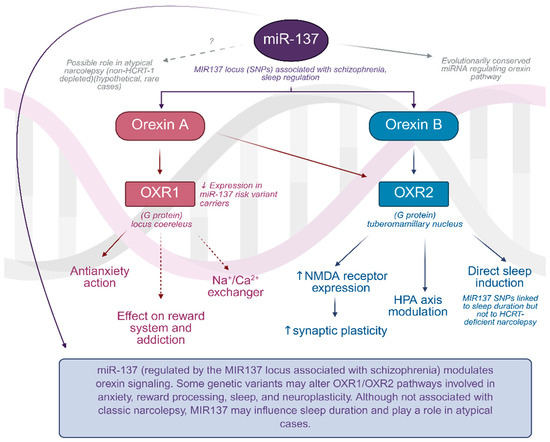
Melatonin is not a sleeping pill. It is a circadian timing signal. The pineal gland releases it as light drops in the evening. Its job is to tell the clock that night is coming. A small amount at the right time shifts the body’s sense of when sleep should begin. A large amount at the wrong time does mostly nothing useful, and chronic high-dose use can actually blunt the natural melatonin response over time.
Most people are using it wrong, at the wrong dose, for the wrong problem.
What melatonin actually does
The body’s natural nighttime melatonin levels peak at roughly 45 picograms per milliliter of blood. Standard over-the-counter doses of 3 to 10 mg produce blood levels that are 10 to 50 times higher than that physiological peak. That is not a therapeutic dose. It is a pharmacological one. And it does not produce better sleep in proportion.
What the research supports for melatonin: it helps shift the timing of sleep onset, most reliably for jet lag, shift work, and delayed sleep phase (night owls who cannot fall asleep before 1 or 2 AM). Dr. Lawrence Epstein at Harvard Medical School says it directly: melatonin is not a sleep medication. It makes people a little sleepy but has a much greater effect in shifting the timing of the sleep phase.
For people with maintenance insomnia (falling asleep fine but waking at 2 AM and unable to return to sleep) or early morning awakening, melatonin does very little. It addresses the wrong mechanism entirely.
What you’ve probably already tried
Most adults cycling through sleep problems go through a predictable sequence: melatonin, then higher-dose melatonin, then maybe Benadryl or a similar antihistamine, possibly a glass of wine at night, maybe magnesium glycinate.
Magnesium glycinate is worth keeping. It genuinely supports sleep quality for many adults. Our piece on magnesium glycinate covers this in full.
Antihistamines (diphenhydramine, doxylamine): they work the first few nights because the sedation is real. Then tolerance builds fast. Harvard’s Lawrence Epstein notes they tend to stop working relatively quickly and carry a real risk of next-day grogginess, cognitive blunting, and, in older adults, falls and confusion. Not a long-term tool.
Alcohol: reduces sleep onset time and reliably fragments sleep in the second half of the night. A net negative for sleep quality regardless of how it feels going down. Our piece on alcohol and sleep after 40 covers the data.
The Livium take. The supplement aisle solves a narrow subset of sleep problems. Most adults with chronic insomnia after 40 have an underlying mechanism that over-the-counter products were not designed for. Diagnosing which mechanism (onset, maintenance, early waking, hyperarousal, circadian misalignment) matters more than which product to try next.
The Livium recipe
Tool. For sleep onset problems that are not circadian-phase related, low-dose doxepin (3 to 6 mg, not the 25 to 150 mg antidepressant dose) is FDA-approved for insomnia and specifically targets histamine receptors responsible for wake maintenance. It does not cause the next-day grogginess associated with diphenhydramine. Dual orexin receptor antagonists (DORAs), such as suvorexant (Belsomra) and lemborexant (Dayvigo), are a newer class that work by blocking the wakefulness signal rather than sedating, which is mechanistically distinct and cleaner for most people. Both are available via telehealth through Hims sleep, which handles evaluation and prescription without an in-person visit.
Behavior. If you continue using melatonin, reduce the dose to 0.5-1 mg and take it 2 hours before your intended bedtime, not right before bed. That is the physiologically appropriate window. Stop using it nightly for problems it was not designed for: maintenance insomnia and early waking need different tools.
Threshold. Four weeks of correctly dosed melatonin (0.5 to 1 mg, taken 2 hours early) to assess whether the timing-shift effect helps. If it does not, or if your problem is maintenance insomnia, that is a signal to consult on prescription options. If your problem is early-morning awakening between 3 and 5 AM, the cortisol piece is worth reading: our article on waking between 1 and 4 AM explains why cortisol is often the driver there.
Matching the tool to the problem
| Problem type | Description | What works | What doesn’t |
|---|---|---|---|
| Sleep onset insomnia | Can’t fall asleep within 20-30 minutes of getting into bed | Low-dose melatonin (if phase-delayed); DORAs; cognitive behavioral therapy for insomnia (CBT-I) | High-dose melatonin taken at bedtime; antihistamines long-term |
| Maintenance insomnia | Waking in the middle of the night and unable to return to sleep | Low-dose doxepin (3-6 mg); DORAs; magnesium glycinate; cortisol investigation | Melatonin (wrong mechanism); antihistamines |
| Early morning awakening | Waking between 3 and 5 AM and unable to return to sleep | Cortisol investigation; sleep apnea screening; evaluate for depression | Most OTC sleep aids; late-day caffeine making this worse |
| Circadian phase delay | Natural bedtime shifted very late; can’t fall asleep before 1-2 AM | Low-dose melatonin 2 hours before intended bedtime; morning light exposure | Bedtime melatonin; sleeping in on weekends |
| Hyperarousal/racing mind | Mind won’t turn off; heart rate elevated at bedtime | CBT-I; trazodone (for some); HRV monitoring; stress and cortisol workup | Melatonin; most OTC options |
Sources: Harvard Health Publishing; NHLBI, How Sleep Works; Hims clinical content.
Plan of action
- Identify which problem you actually have. Onset, maintenance, early waking, or phase delay. Each has a different solution, and treating the wrong one wastes months.
- If you are using melatonin for maintenance insomnia or early waking, it is solving the wrong problem. Stop and look at the table above.
- If you want to keep using melatonin for onset issues, drop to 0.5 to 1 mg and take it 90 to 120 minutes before your intended sleep time, not at bedtime. Pair it with evening light reduction (no bright overhead lights after 9 PM).
- If maintenance insomnia is your problem and OTC options have failed, talk to a provider about doxepin 3 to 6 mg or a DORA. Hims sleep handles this without an in-person visit.
- If early waking between 3 and 5 AM is the pattern, read our piece on waking between 1 and 4 AM before trying another supplement. Cortisol and sleep apnea are frequently the drivers.
Table of Content

Know your body better.
Trusted By Thousands Daily






FAQ
Is it safe to take melatonin every night long term?
Harvard’s Dr. Epstein says you can take melatonin safely for the long term. The concern is not toxicity. It is whether nightly high-dose use blunts the body’s own melatonin production over time. The data on this are not definitive, but they are a reason to use the lowest effective dose rather than defaulting to 5 to 10 mg.
What are DORAs and how are they different from older sleep medications?
Dual orexin receptor antagonists work by blocking the action of orexin, a neuropeptide that promotes wakefulness. Rather than sedating the brain, they turn down the wakefulness signal. This is mechanistically cleaner than benzodiazepines (which broadly sedate) or antihistamines (which cause sedation as a side effect). DORAs do not cause physical dependence and have a more favorable next-day function profile than most older sleep medications. Our piece on sleep meds in 2026 covers this class in detail.
Why does melatonin make me groggy the next morning?
High doses (3 to 10 mg) produce blood levels far above physiological. The excess melatonin lingers in the system past when you want to wake up. Dropping to 0.5-1 mg, taken earlier in the evening rather than at bedtime, dramatically reduces morning grogginess for most people.
Legal Disclaimer
The content published on Livium Health is for informational and educational purposes only. Nothing on this site constitutes medical advice, diagnosis, or treatment. Always consult a qualified healthcare provider before making decisions about your health, including changes to medications, supplements, diet, or exercise.
Livium Health is not a medical practice and does not have a patient-provider relationship with its readers. We do not sell supplements, medications, or treatments, and we have no financial relationship with the products or services we reference.
While we work to ensure the information we publish is accurate and up to date, health and medical guidance evolves. We make no guarantees about the completeness or currency of any content on this site. Reliance on any information provided by Livium Health is solely at your own risk.
If you are experiencing a medical emergency, call 911 or your local emergency services immediately.
We may receive compensation, free products, or affiliate commissions for products mentioned in this post. Opinions are our own.