
Share
Energy & Focus
Men's Health
Women's Health
Why your eyes feel heavy at 3 PM, and it has nothing to do with lunch
6 min read
Key takeaways
- The 3 PM energy dip is a hardwired circadian event, not a lunch reaction. It happens even when people skip lunch entirely.
- Your alertness system runs on two overlapping cycles. The circadian dip lands right when your adenosine load is also near its daily peak.
- After 40, the dip tends to hit harder and earlier because the amplitude of your cortisol curve flattens with age.
- The fix is timing, not willpower. Working with the dip window instead of against it changes the day entirely.
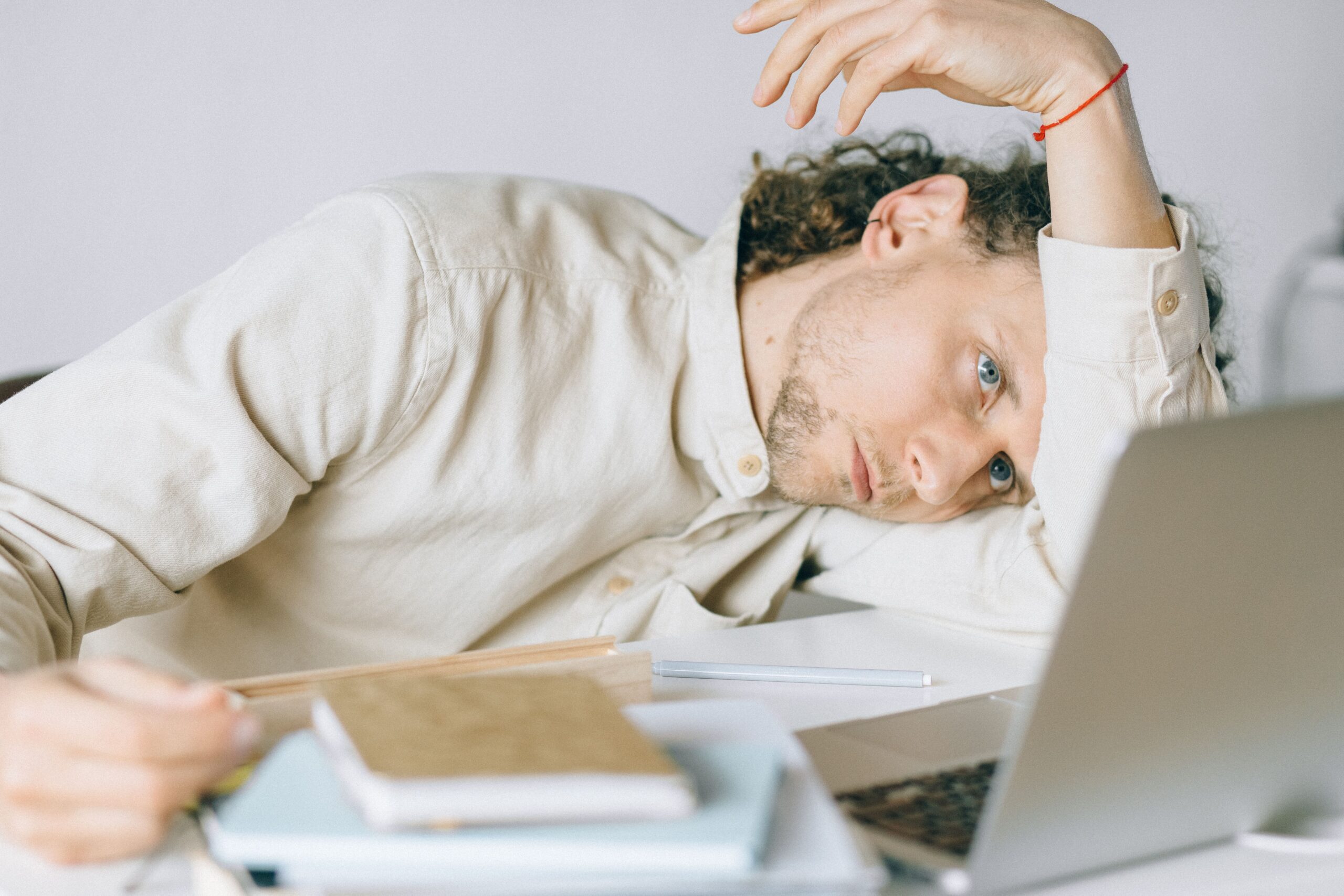
It is 3:18 PM, and you are rereading the same sentence
You blame the sandwich. You always blame the sandwich. Turkey, maybe some bread, the blood sugar spike and crash narrative that has been floating around since the nineties. It is a tidy story. It is also wrong.
Researchers have tested this directly. People who skip lunch entirely still hit the same 2- to 4-PM wall. The body clock produces this dip regardless of what you ate. Your sandwich is innocent.
What is actually happening is more interesting, and knowing it gives you something to work with.
Two systems landing at the same time
Your alertness at any moment is the product of two overlapping biological systems running simultaneously.
The first is your circadian rhythm. The 24-hour clock driven by light signals entering the eye and landing on the suprachiasmatic nucleus (SCN) in the hypothalamus. That clock produces two peaks of alertness in a normal day: one in the late morning and one in the early evening. Between them sits a trough. In most adults on a typical schedule, that trough lands between 1 and 3 PM. Chronobiologists sometimes call it the circasemidian dip. Your body produces it every day whether you want it to or not.
The second system is adenosine pressure. Adenosine is a byproduct of cellular energy use. It accumulates in the brain from the moment you wake up and continues to build until you sleep. By early afternoon, you have been awake for six to eight hours. The adenosine load is not yet at its peak, but it is substantial. Caffeine works by blocking adenosine receptors. It does not clear adenosine. The pressure keeps building underneath.
The 3 PM crash happens when the circadian dip arrives right as adenosine pressure is already elevated. Two systems both pushing toward low alertness at the same moment. The sandwich had nothing to do with it.
Why it hits harder after 40
The dip exists at every age. After 40, two things change that make it more noticeable.
Cortisol curve flattening. In your twenties, cortisol peaks sharply in the morning and drops steeply through the day. That steep morning peak is part of what produces the feeling of strong morning energy and clear-headed drive. By the mid-forties, the cortisol curve in many adults becomes flatter. The morning peak is lower. The afternoon baseline is relatively higher. The result: less pronounced morning energy, but also less cushion heading into the afternoon dip.
Accumulated sleep debt. Most adults over 40 are chronically carrying some degree of sleep debt. Not sleeping terribly, just not sleeping enough, consistently, for years. Even mild chronic sleep restriction amplifies the adenosine pressure that lands in the afternoon. The dip was always there. It just hits harder when the tank was already low at 7 AM.
The Livium take. You are not broken in the afternoon. You are on schedule. The mistake most people make is treating the dip like a malfunction and reaching for the third coffee of the day. That delays the problem by 90 minutes, erodes sleep quality that night, and makes tomorrow’s dip worse. The better move is to stop fighting the tide and start surfing it.
The Livium recipe
Tool. A wearable with continuous heart rate monitoring gives you a real readout of when your personal dip lands. Most people assume it is 3 PM. It varies by chronotype. Night owls often dip closer to 4 PM. Early risers can dip before 2 PM. WHOOP, Oura, and Garmin all track resting heart rate trends that correlate with your alertness curve. Two weeks of data tells you your actual dip window, not the average one.
Behavior. Three scheduling moves. Put cognitively demanding work in the morning peak window (roughly 9 AM to noon for most people). Assign administrative, low-stakes, or routine tasks to the dip window. If your schedule allows, a 10- to 20-minute nap during the dip window is the highest-return energy intervention known; it clears adenosine, reduces cortisol, and restores alertness for the second half of the afternoon. Not always possible. But worth knowing. Last: cut caffeine at 2 PM. Not because it stops the dip but because post-2 PM caffeine is the most consistent driver of shortened deep sleep that night, which worsens tomorrow’s dip.
Threshold. Two weeks of conscious scheduling with the dip window protected rather than fought. What to look for: better output in the morning hours, less friction in the afternoon when low-stakes work is scheduled there, and a subjective sense that the day has a rhythm instead of a mid-afternoon wall. If the dip still knocks you flat after two weeks of this, the upstream variable is likely sleep debt or cortisol dysregulation worth investigating with a full panel at Function Health.
What actually helps during the dip (and what doesn’t)
| Intervention | What it does | Downside | Livium verdict |
|---|---|---|---|
| 10-20 min nap | Clears adenosine; restores alertness for 2-3 hours | Requires privacy; easy to oversleep into deep sleep if you go past 25 min | Best available option when accessible. Set an alarm. |
| Coffee or caffeine | Blocks adenosine receptors; buys 90 minutes of alertness | After 2 PM, shortens deep sleep; postpones the problem rather than solving it | Use it strategically, not reflexively. Respect the 2 PM cutoff. |
| Brief outdoor walk | Light exposure resets alertness signal; movement increases circulation and cortisol slightly | Requires getting up and going outside | Highly underrated. 10 minutes outside in natural light is the most effective no-cost option. |
| Sugar or carb snack | Short-term glucose spike provides brief alertness; crash follows | The crash arrives 30-60 minutes later, often making the dip worse | Skip it. This is where the lunch-blame narrative comes from. |
| Cold water face splash | Mild sympathetic activation; transient alertness spike | Effect is short (10-15 minutes); not a solution | Works in a pinch. Not a strategy. |
| Scheduling low-stakes work | Works with the circadian dip; stops fighting it | Requires actual calendar discipline; not always possible in meeting-heavy jobs | The highest-leverage move available. Restructure the calendar before trying anything else. |
Sources: NHLBI, How Sleep Works; Harvard Health Publishing; Sleep Research Society.
Plan of action
- Stop blaming lunch. Identify when your personal dip actually lands by tracking your energy across the day for a week, or using a wearable to correlate resting heart rate with self-reported focus.
- Restructure your calendar. Move cognitively demanding work to your morning peak. Put email, admin, and routine tasks in the dip window.
- Cut caffeine at 2 PM. If you need more energy past 2 PM, the problem is upstream (sleep debt, cortisol, or adenosine load) and more caffeine is delaying the fix.
- Try a 10 to 20 minute nap during the dip if your schedule allows. Set an alarm for a maximum of 25 minutes. Waking from deep sleep feels worse than not napping at all.
- If the dip is debilitating rather than manageable, that is a signal worth investigating. A full cortisol panel and thyroid function test via Function Health rules out the downstream causes.
Table of Content

Know your body better.
Trusted By Thousands Daily



FAQ
Does the afternoon dip affect everyone?
Yes. It is a feature of human circadian biology, not a defect. The timing varies by chronotype, but the dip itself is universal. Night owls hit it later. Early risers hit it sooner. Everyone hits it.
Is it okay to nap every day?
Short naps (10 to 20 minutes) in the early afternoon do not disrupt nighttime sleep for most adults. Naps longer than 30 minutes or taken after 4 PM can fragment nighttime sleep. The siesta cultures of Southern Europe have done this for centuries. The data supports it in the right window.
Why does the dip feel worse when I’m stressed?
Chronic stress keeps cortisol elevated and disrupts its normal daily arc. When the cortisol curve is blunted by chronic stress, there is less of a natural buffer for alertness heading into the afternoon. The dip lands on a system that was already running on fumes.
Could low blood sugar actually be causing my afternoon crash?
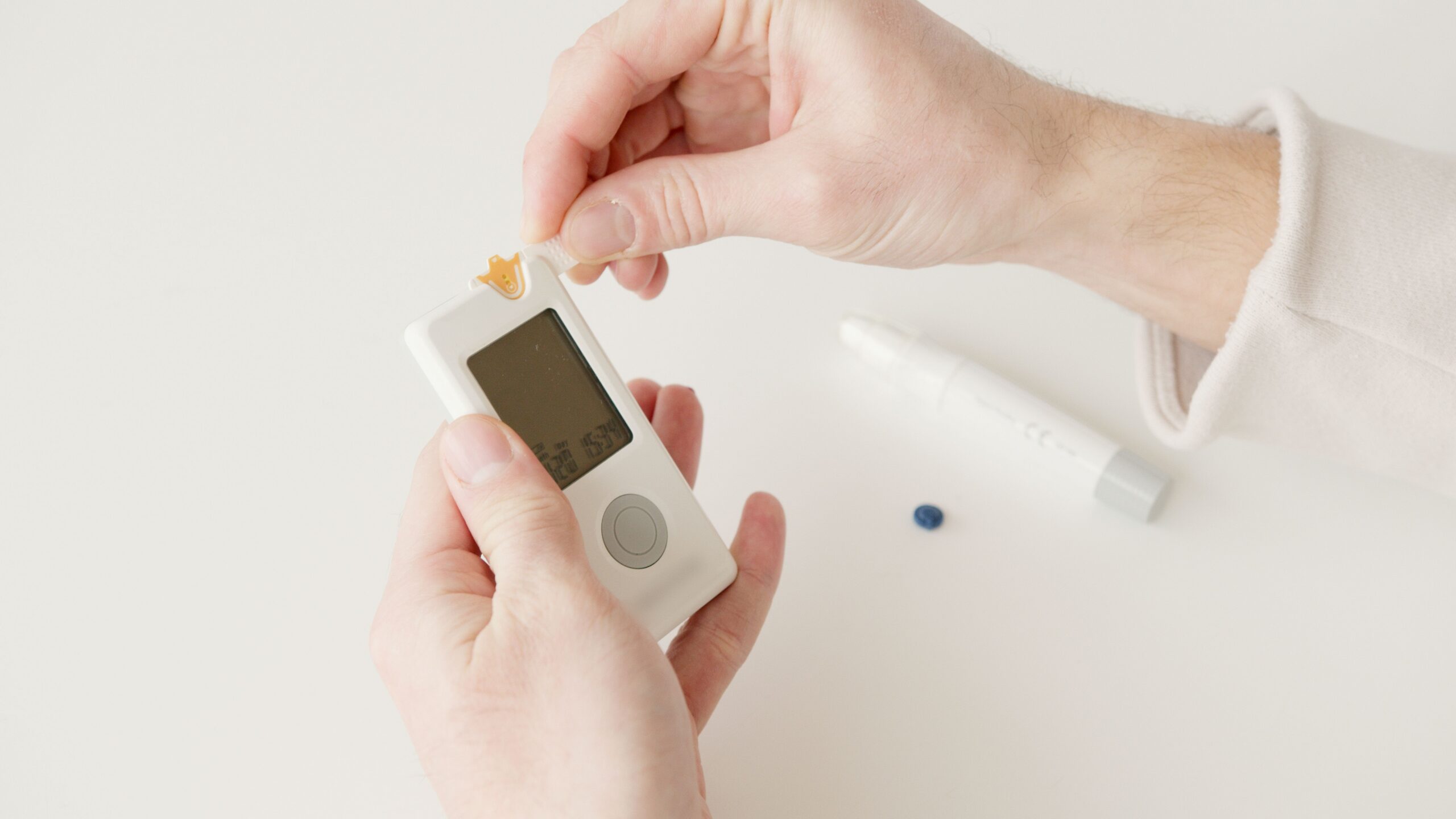
For some people, yes. If your crash is accompanied by shakiness, irritability, brain fog that resolves after eating, or you have known blood sugar irregularities, a continuous glucose monitor (CGM) for two weeks will tell you definitively. Lofta carries the Stelo biosensor over the counter at lofta.com. But for most people with a standard afternoon heaviness, the circadian mechanism is the primary driver, not glucose.
Legal Disclaimer
The content published on Livium Health is for informational and educational purposes only. Nothing on this site constitutes medical advice, diagnosis, or treatment. Always consult a qualified healthcare provider before making decisions about your health, including changes to medications, supplements, diet, or exercise.
Livium Health is not a medical practice and does not have a patient-provider relationship with its readers. We do not sell supplements, medications, or treatments, and we have no financial relationship with the products or services we reference.
While we work to ensure the information we publish is accurate and up to date, health and medical guidance evolves. We make no guarantees about the completeness or currency of any content on this site. Reliance on any information provided by Livium Health is solely at your own risk.
If you are experiencing a medical emergency, call 911 or your local emergency services immediately.
We may receive compensation, free products, or affiliate commissions for products mentioned in this post. Opinions are our own.