
Share
Men's Health
Nutrition
Women's Health
Protein after 40: Why your body needs more of it than the label says
5 min read
Key takeaways
- The RDA for protein (0.8 grams per kilogram of body weight) was set to prevent deficiency in sedentary young adults. It is not a performance or longevity target for anyone over 40.
- After 40, muscles develop what researchers call anabolic resistance: the same amount of protein stimulus produces less muscle protein synthesis than it did in younger years. The fix is more protein, not less.
- Most adults over 40 who think they eat enough protein are eating about two-thirds of what the current research suggests is optimal for muscle maintenance. About a third of older Americans do not even hit the RDA.
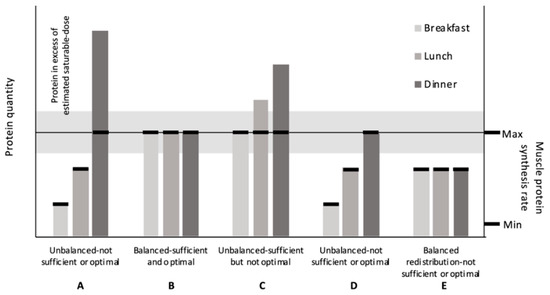
- Protein distribution across the day matters. A 40-gram dinner protein dump does less than spreading intake across three to four meals with 30 to 40 grams each.
The number on the recommended daily intake has not kept up with the science
The government RDA for protein is 0.8 grams per kilogram of body weight per day. For a 180-pound person, that is about 65 grams daily. You will hit that with two chicken breasts and a cup of Greek yogurt. It sounds easy. It should be enough. For many purposes, it is not.
The RDA was established using nitrogen balance studies designed to identify the minimum intake needed to prevent deficiency. Not to maintain muscle mass in middle age. Not to support recovery from exercise. Not to resist the progressive muscle loss that begins in the fourth decade of life and accelerates from there.
Harvard research now suggests that healthy older adults need 1.0 to 1.2 grams per kilogram per day, with some evidence for up to 1.6 grams per kilogram for those doing consistent resistance training. For a 180-pound person, 1.2 g/kg means roughly 98 grams daily. That is 50% more than the RDA. And for most adults, it requires actual attention to hit it.
Why the efficiency drops after 40
The physiological reason for higher requirements is called anabolic resistance.
In younger muscle, branched-chain amino acids from dietary protein activate the mTOR pathway, which drives muscle protein synthesis. The system is sensitive and responsive. After 40, that sensitivity declines. The same amino acid signal leads to reduced muscle protein synthesis. The bucket leaks. To maintain the same net muscle protein balance, you have to pour more in.
This is not a design flaw that can be fixed. It is the biological reality of aging muscle. The workarounds are higher total protein intake, better-timed protein doses, and resistance training (which independently sensitizes muscle to protein stimulation).
Without these adjustments, the result is sarcopenia: the age-related loss of muscle mass and function that Harvard estimates proceeds at roughly 3 to 5% per decade starting at age 30. By age 60, many adults have lost 15 to 20% of the muscle mass they had in their thirties. By 70, some have lost 30% or more. Sarcopenia is associated with falls, metabolic disease, cognitive decline, and premature mortality. It is not a cosmetic issue.
The Livium recipe
Tool. Calculate your target. Take your body weight in pounds, divide by 2.2 to get kilograms, multiply by 1.2. That is your daily protein floor in grams. For a 180-pound person: 180 / 2.2 = 82 kg x 1.2 = 98 grams per day. Track it for two weeks using a food logging app. Most people are surprised by how far short they fall. If you want to see how inadequate protein affects your muscle biomarkers, Function Health includes relevant muscle and metabolic markers in its standard panel.
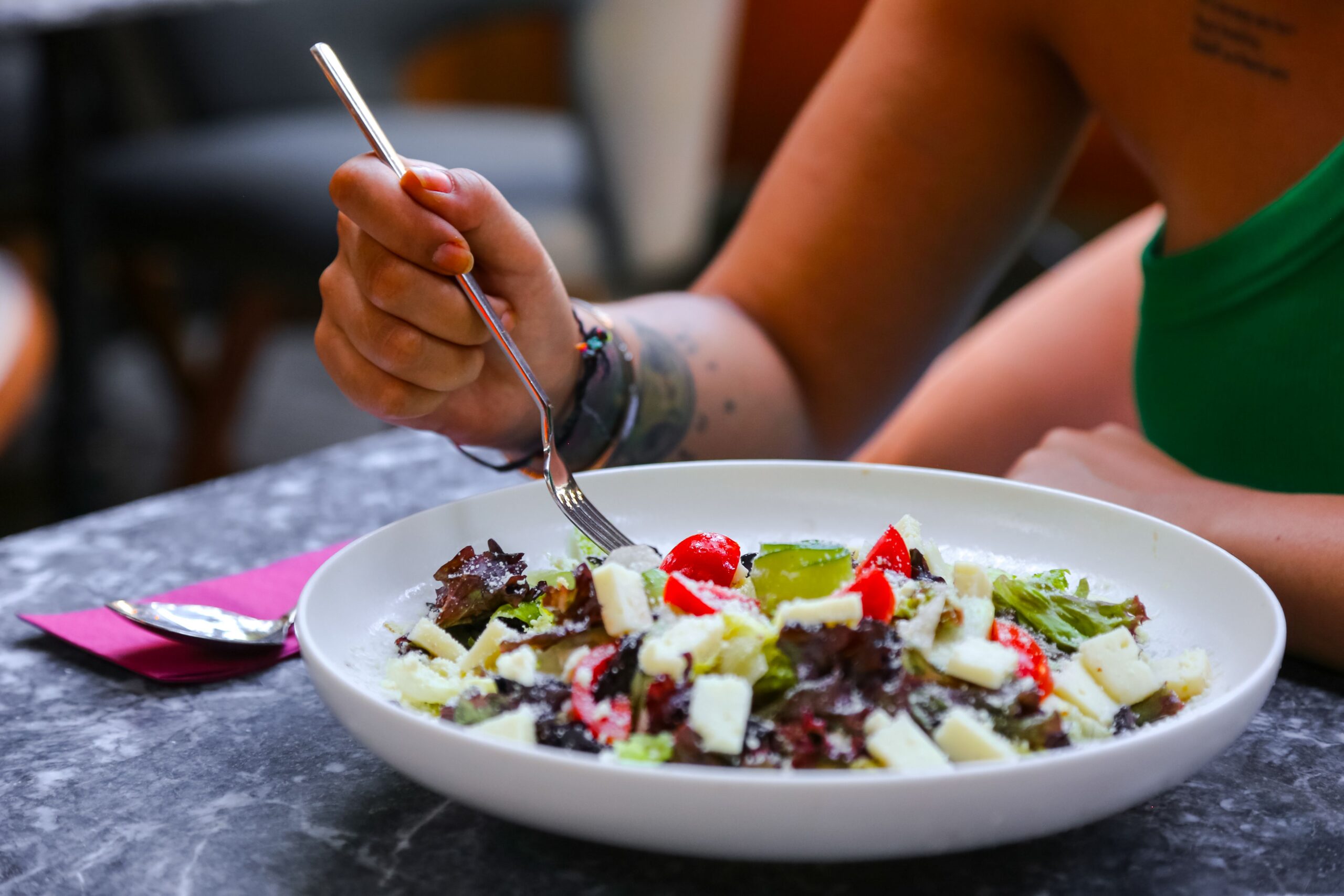
Behavior. Distribute protein across three to four meals rather than concentrating it at dinner. Research consistently shows that muscle protein synthesis is maximized by repeated doses of 30 to 40 grams spread throughout the day, rather than a single large bolus. Breakfast is the meal most people underload on protein. At breakfast, eggs, Greek yogurt, cottage cheese, or a whey protein supplement is the most common and highest-leverage adjustment. Prioritize animal proteins (meat, fish, eggs, dairy) or well-combined plant proteins (e.g., pea protein, soy) to achieve complete amino acid profiles. Add resistance training. Protein without training produces modest muscle maintenance. Protein plus training produces meaningfully better outcomes at every age.
Threshold. Twelve weeks at 1.2 g/kg daily with consistent resistance training. The scale may not move. Muscle gain and fat loss happening simultaneously often net to the same weight. Measure how you feel, how you perform, and how your body composition looks. If testosterone is also low (which directly impairs muscle protein synthesis regardless of protein intake), Hone Health handles the hormone side of this picture.
Protein sources and what they actually deliver
| Food source | Protein per serving | Amino acid completeness | Notes |
|---|---|---|---|
| Chicken breast (6 oz) | ~54g | Complete | High leucine content; good mTOR stimulus. Practical and affordable. |
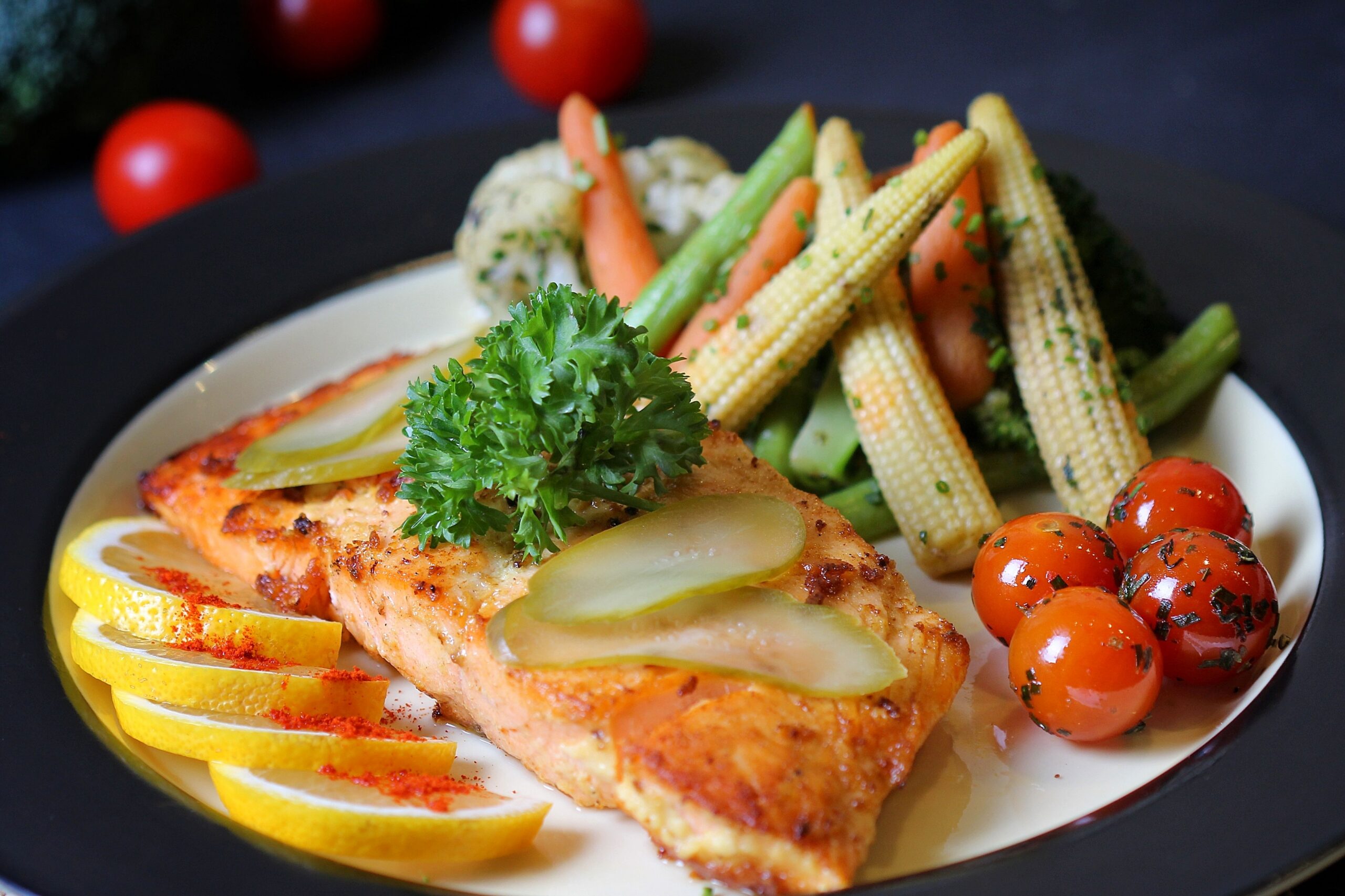
| Salmon fillet (6 oz) | ~40g | Complete | Omega-3s alongside protein; anti-inflammatory benefit relevant to muscle recovery. |
| Greek yogurt (1 cup, full-fat) | ~17-20g | Complete | Good breakfast anchor. Casein protein; slower digesting, good for overnight muscle maintenance. |
| Eggs (2 large) | ~12g | Complete | Highly bioavailable. Useful as part of a higher-protein breakfast combination. |
| Whey protein (1 scoop) | ~25g | Complete; highest leucine | Best post-exercise supplement for muscle protein synthesis. Lactose-reduced versions available. |
| Black beans (1 cup, cooked) | ~15g | Incomplete (low methionine) | Combine with rice or other grains for complete amino profile. Good fiber alongside protein. |
| Pea protein (1 scoop) | ~20-25g | Near-complete; low methionine | Best plant-based protein supplement option. Combine with rice protein for complete profile. |
Sources: Harvard Health Publishing; USDA FoodData Central; National Academy of Medicine.
Plan of action
- Calculate your protein target: body weight in pounds divided by 2.2, multiplied by 1.2. That is your daily gram floor. Write it down.
- Track your actual intake for one week before changing anything. Most people are significantly below where they think they are, and seeing the gap is more motivating than any recommendation.
- Fix breakfast first. It is the meal most people underload on protein. Aim for 30 grams at breakfast, 30 to 40 at lunch and dinner, with a smaller protein-containing snack if needed to hit the daily target.
- Add resistance training if you are not already. Protein without training produces a fraction of the benefit. Two to three sessions per week of compound movements is enough to meaningfully shift the response.
- If you are over 50 and consistently hitting protein targets with training but still not seeing expected muscle maintenance, testosterone is worth checking. Hone Health handles the hormone panel. Function Health handles the broader metabolic picture.
Table of Content

Know your body better.
Trusted By Thousands Daily



FAQ
Is too much protein bad for your kidneys?
In healthy adults with normal kidney function, higher protein intakes in the range of 1.2 to 1.6 g/kg do not appear to harm the kidneys based on current evidence. The concern applies to people with existing chronic kidney disease, for whom protein restriction is clinically appropriate. If you have known kidney issues, check with your doctor before significantly increasing intake.
Does protein timing really matter, or is total daily intake what counts?
Both matter, but the evidence for distribution is strong enough to act on. Muscle protein synthesis peaks and then plateaus after a protein dose; a second large dose in the same meal adds little. Spreading intake across three to four eating occasions yields better muscle protein synthesis outcomes than meaningfully concentrating the same total in one or two meals.
Does the source of protein matter?
Yes, primarily because of leucine content and amino acid completeness. Leucine is the specific amino acid that most powerfully stimulates the mTOR pathway for muscle protein synthesis. Animal proteins and whey are highest in leucine. Plant proteins vary. If you eat primarily plant-based foods, aim for the higher end of the protein range (closer to 1.4-1.6 g/kg) to compensate for the lower leucine density per gram.
Legal Disclaimer
The content published on Livium Health is for informational and educational purposes only. Nothing on this site constitutes medical advice, diagnosis, or treatment. Always consult a qualified healthcare provider before making decisions about your health, including changes to medications, supplements, diet, or exercise.
Livium Health is not a medical practice and does not have a patient-provider relationship with its readers. We do not sell supplements, medications, or treatments, and we have no financial relationship with the products or services we reference.
While we work to ensure the information we publish is accurate and up to date, health and medical guidance evolves. We make no guarantees about the completeness or currency of any content on this site. Reliance on any information provided by Livium Health is solely at your own risk.
If you are experiencing a medical emergency, call 911 or your local emergency services immediately.
We may receive compensation, free products, or affiliate commissions for products mentioned in this post. Opinions are our own.