
Share
Gut Health
Women's Health
Gut discomfort without clear trigger foods: What may explain it
5 min read

Key takeaway
Gut discomfort without a clear trigger food is often a sign that your digestive system is responding to factors beyond diet, such as stress, sleep, motility, or hormones. Paying attention to how you eat and what else is happening in your body may reveal patterns that food elimination alone cannot explain.
When your gut reacts but you cannot find a pattern
You eat the same foods that felt fine last week, but today your stomach is bloated, crampy, or unsettled. You try eliminating common triggers like gluten or dairy, but the discomfort comes and goes without any clear connection to what you ate. This kind of unpredictable gut sensitivity is frustrating because it feels like your body is responding to something you cannot identify.
Gut discomfort without clear trigger foods is often less about the food itself and more about how your digestive system is functioning in the moment. Factors such as stress, sleep quality, meal timing, gut motility, and hormonal shifts can all influence how your gut responds to the same meals. Understanding what may be driving this variability can help you make sense of symptoms that feel random.
Why gut sensitivity can shift day to day
Your digestive system does not operate in isolation. It responds to signals from your nervous system, circadian rhythm, hormones, and microbiome. When any of these systems are under strain or out of sync, your gut may become more reactive, even to foods that are normally well tolerated.
Stress and nervous system activation
Your gut and brain are constantly communicating through the vagus nerve and other pathways. When you are stressed, anxious, or in a heightened state, your digestive function can slow down or speed up. This can lead to bloating, cramping, nausea, or changes in bowel movements, regardless of what you ate.
Stress can also increase gut permeability and alter the balance of digestive enzymes and stomach acid, making it harder for your body to break down food efficiently. A meal you handled fine under calm conditions may cause discomfort when you are stressed.
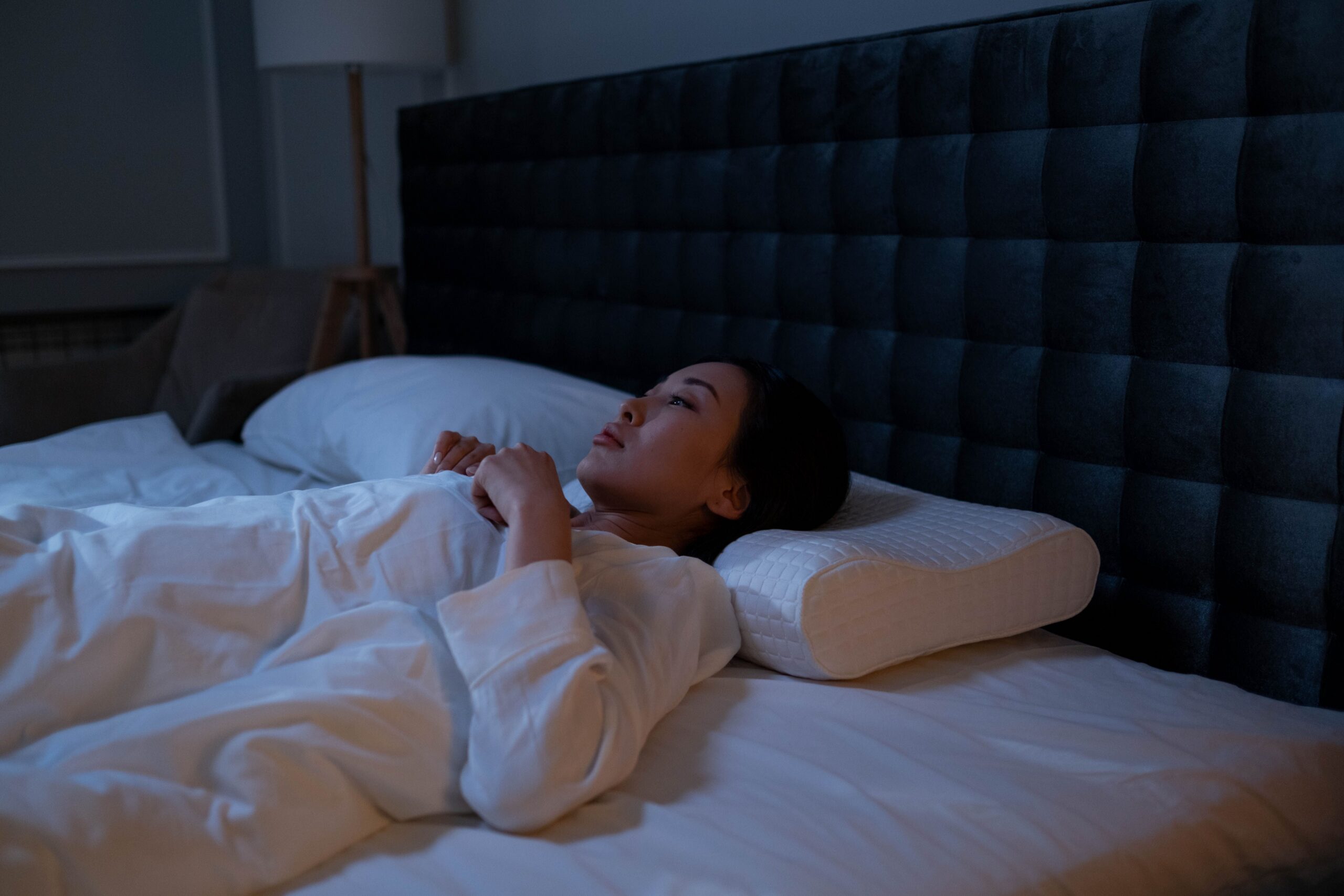
Sleep quality and circadian rhythm
Your gut has its own circadian rhythm that influences digestion, gut motility, and the balance of gut bacteria. Poor sleep or inconsistent sleep timing can disrupt this rhythm, which may contribute to bloating, sluggish digestion, or increased sensitivity to certain foods.
Even a few nights of disrupted sleep can alter your gut microbiome composition and reduce your body’s ability to process food comfortably.
Gut motility and timing
How quickly or slowly food moves through your digestive tract can influence how you feel after eating. Slow motility may cause bloating and a sense of fullness that lingers longer than expected. Fast motility may lead to cramping, urgency, or loose stools.
Motility is influenced by hydration, fiber intake, physical activity, stress, and hormonal fluctuations. If your gut motility is inconsistent, the same meal may cause different symptoms depending on how your system is functioning that day.
Hormonal shifts
Hormones like estrogen and progesterone can influence gut motility, inflammation, and sensitivity. Many people notice changes in digestion, bloating, or bowel habits at different points in their menstrual cycle. Progesterone, for example, can slow digestion and contribute to bloating or constipation.
These hormonal influences can make it seem as if certain foods are causing symptoms, when the real driver is a shift in how your gut functions during a particular phase of your cycle.
When the issue is not what you ate, but how you ate
Gut discomfort is not always about the content of your meals. How you eat, when you eat, and what else is happening in your body at the time can all play a role.
Eating while stressed or distracted
When you eat in a rushed or stressed state, your body may not produce enough digestive enzymes or stomach acid to break down food properly. This can lead to bloating, gas, or a heavy feeling after meals, even if the food itself is well tolerated under calmer conditions.
Meal timing and spacing
Eating too close to bedtime, skipping meals and then eating a large portion, or grazing throughout the day without clear meal breaks can all disrupt normal digestive rhythm. Your gut functions best with some regularity and time to rest between meals.
Hydration
Dehydration can slow digestion and contribute to constipation, bloating, and discomfort. If your water intake is inconsistent, your gut may respond unpredictably to the same foods.
What may help when symptoms feel random
If your gut discomfort does not follow a clear food pattern, shifting focus from what you eat to how your body is functioning may be more useful.
Notice patterns beyond food
Start tracking not just what you eat, but also your stress level, sleep quality, hydration, meal timing, and menstrual cycle phase if applicable. You may begin to see that your gut symptoms correlate more closely with these factors than with specific ingredients.
Support your nervous system
Practices that help regulate your nervous system, such as deep breathing, walking, or eating in a calm environment, may reduce gut reactivity. Even a few minutes of slower breathing before meals can signal to your body that it is safe to digest.
Prioritize consistent sleep
Aim for regular sleep and wake times to support your gut’s circadian rhythm. This can improve motility, microbiome balance, and overall digestive comfort.
Eat with intention
Sit down when you eat. Chew your food thoroughly. Avoid eating while working, scrolling, or rushing. These small shifts can improve digestion and reduce symptoms that seem unrelated to the food itself.
Consider professional support
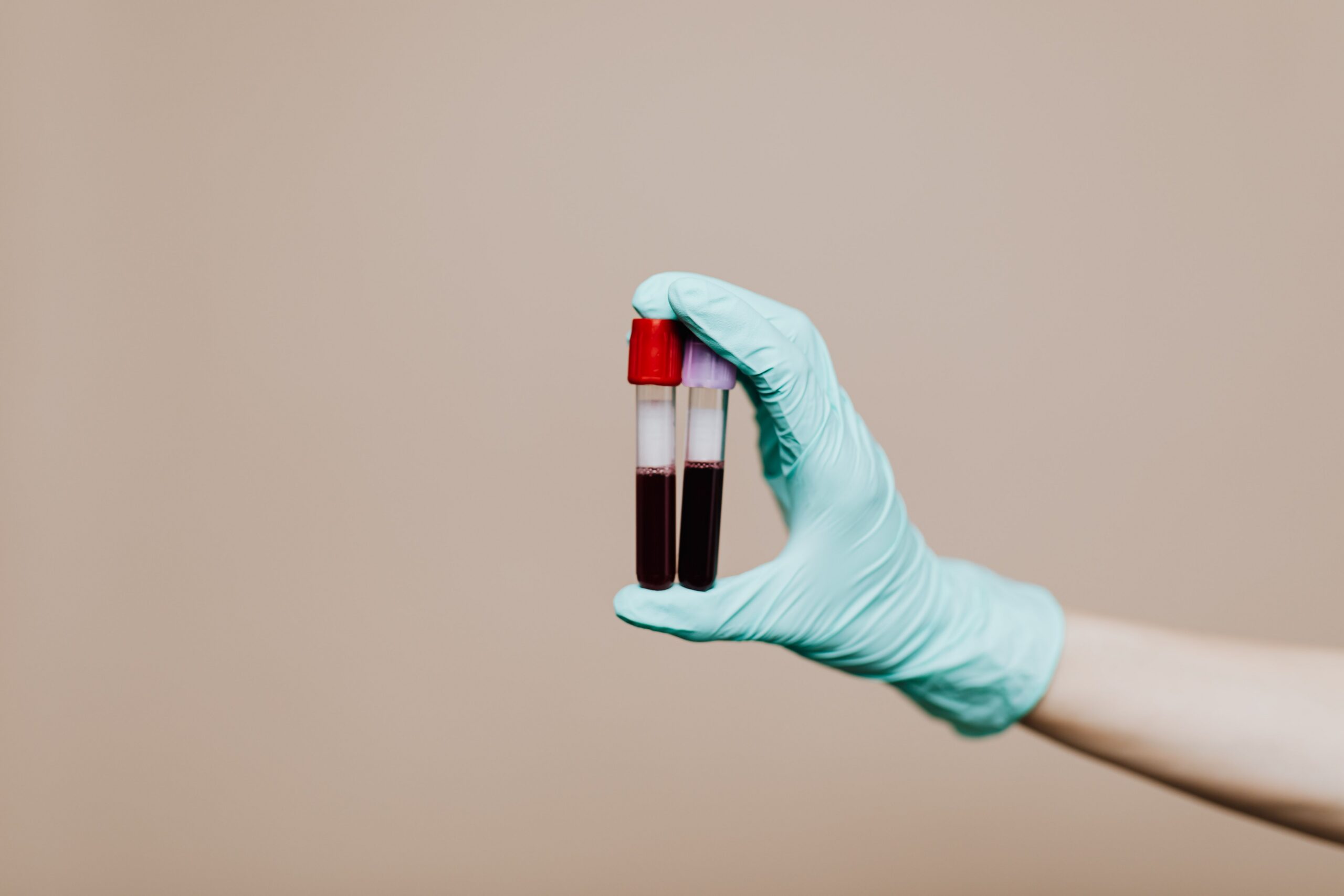
If symptoms persist or worsen, it may be helpful to work with a healthcare provider who can evaluate for underlying issues like small intestinal bacterial overgrowth, gut dysbiosis, food sensitivities, or motility disorders. Lab testing and functional assessments can provide clarity when patterns are hard to identify on your own.
Table of Content

Know your body better.
Trusted By Thousands Daily







FAQ
Can stress really cause gut symptoms even if I eat the same foods?
Yes. Stress directly affects gut motility, enzyme production, and gut permeability. A meal that feels fine when you are calm may cause bloating or discomfort when you are stressed.
Is it normal for gut symptoms to change with my cycle?
Yes. Hormonal fluctuations during your menstrual cycle can influence digestion, motility, and bloating. Many people notice increased gut sensitivity or slower digestion in the days leading up to their period.
How long does it take to notice a difference after improving sleep or stress?
Some people notice improvements in gut comfort within a few days of more consistent sleep or calmer eating habits. Others may need a few weeks to see a shift, especially if underlying nervous system dysregulation or gut microbiome imbalance is present.
Should I still avoid foods that sometimes bother me?
If a food consistently causes symptoms, it may be worth reducing or avoiding it temporarily. However, if symptoms are inconsistent, it may be more helpful to focus on the context of your eating rather than unnecessarily eliminating foods.
When should I see a doctor for gut discomfort?
If symptoms are severe, persistent, worsening, or accompanied by unintended weight loss, blood in your stool, or significant changes in bowel habits, it is worth seeking professional evaluation to rule out underlying conditions.
Legal Disclaimer
The content published on Livium Health is for informational and educational purposes only. Nothing on this site constitutes medical advice, diagnosis, or treatment. Always consult a qualified healthcare provider before making decisions about your health, including changes to medications, supplements, diet, or exercise.
Livium Health is not a medical practice and does not have a patient-provider relationship with its readers. We do not sell supplements, medications, or treatments, and we have no financial relationship with the products or services we reference.
While we work to ensure the information we publish is accurate and up to date, health and medical guidance evolves. We make no guarantees about the completeness or currency of any content on this site. Reliance on any information provided by Livium Health is solely at your own risk.
If you are experiencing a medical emergency, call 911 or your local emergency services immediately.