
Share
Gut Health
Men's Health
Women's Health
Histamine reactions after eating: Why symptoms feel unpredictable
6 min read

Key takeaways
- Histamine reactions after eating often feel random because your tolerance fluctuates based on digestion, stress, hormones, alcohol, and food freshness, not just the food itself.
- Tracking context around symptoms, like meal timing, cycle phase, and stress level, is more useful than trying to eliminate individual foods without a pattern.
- Short-term dietary adjustments and attention to gut health, freshness, and timing can reduce symptoms without the need for restrictive eating in the long term.
- Persistent or severe symptoms may indicate an underlying condition and warrant professional evaluation to rule out other causes and guide more targeted support.
Why histamine reactions can feel confusing
You eat the same food on two different days and get two different reactions. One day, you feel fine. The next, you experience flushing, headaches, digestive upset, or brain fog within an hour of finishing your meal. The inconsistency makes it hard to pinpoint what’s actually causing the problem.
Histamine intolerance isn’t a true allergy. It happens when your body can’t break down histamine efficiently, leading to a buildup that triggers symptoms. What makes this confusing is that histamine levels in your body aren’t static. They shift based on digestion speed, stress, hormonal changes, alcohol intake, and meal timing. This variability is why histamine reactions after eating can feel random, even when they follow a pattern.
Understanding how these factors interact helps you recognize what’s happening and make adjustments that reduce symptoms without unnecessary restriction.
How histamine intolerance works
Histamine is a compound naturally present in certain foods and produced by your body during immune responses and digestion. In a typical system, the enzyme diamine oxidase, or DAO, breaks down histamine in the gut before it enters circulation. A secondary enzyme, histamine N-methyltransferase (HNMT), mediates histamine breakdown in other tissues.
When DAO activity is low, or histamine intake exceeds your clearance capacity, symptoms may develop. These can include flushing, hives, nasal congestion, digestive distress, headaches, fatigue, or anxiety-like sensations. The severity and type of symptoms often depend on how much histamine has accumulated and what else is happening in your body at the time.
This isn’t an on-off switch. Histamine tolerance exists on a spectrum. You may tolerate moderate histamine foods on some days and react strongly on others, depending on your total histamine load and your body’s ability to process it in that moment.
Why reactions vary from meal to meal
Digestion speed and gut function
Slower digestion gives histamine-producing bacteria more time to act on food in your gut. This can raise histamine levels even if the food itself wasn’t particularly high in histamine to begin with. Digestive issues like low stomach acid, bacterial overgrowth, or sluggish motility may increase the likelihood of symptoms after eating.
If you experience bloating, constipation, or irregular bowel movements, this may contribute to inconsistent histamine reactions.
Stress and cortisol fluctuations
Stress affects histamine regulation in multiple ways. High cortisol can increase mast cell activation, which releases more histamine into circulation. Chronic stress may also lower DAO enzyme activity, reducing your ability to clear histamine efficiently.
On high-stress days, you may react to foods that normally cause no issue. This doesn’t mean the food is the problem. It may mean your threshold for tolerating histamine is temporarily lower.
Alcohol intake
Alcohol blocks DAO activity, which reduces your ability to break down dietary histamine. It also triggers histamine release from mast cells. If you drink wine, beer, or spirits with or near a meal, you’re more likely to experience histamine-related symptoms even from foods you typically tolerate.
Fermented alcoholic beverages like wine and beer are particularly high in histamine, compounding the effect.
Hormonal shifts
Estrogen increases histamine release and decreases DAO production. Progesterone, by contrast, has a stabilizing effect on mast cells. This is why some people experience worse histamine reactions during certain phases of the menstrual cycle, particularly in the days leading up to menstruation when estrogen may spike relative to progesterone.
Perimenopause, pregnancy, and hormonal therapies can also influence histamine tolerance and contribute to symptom variability.
Meal timing and fasting windows
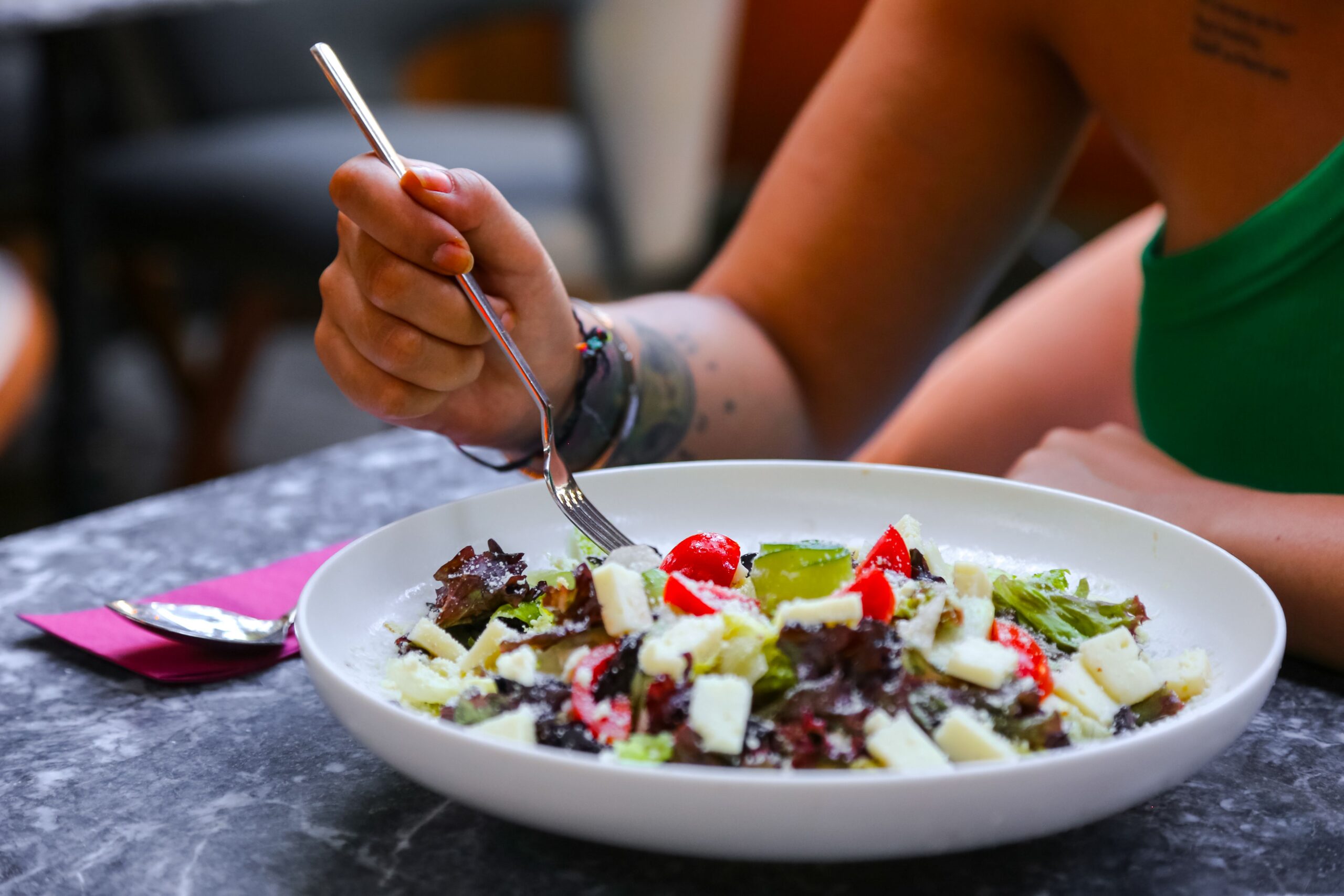
Eating late at night or shortly before lying down can slow digestion and increase the likelihood of histamine buildup. Extended fasting or erratic meal timing may also affect gut motility and enzyme production, influencing how well you tolerate histamine-rich foods when you do eat.
Consistent meal timing supports more predictable digestive function and enzyme availability.
Food freshness and preparation
Histamine levels in food increase as it ages or ferments. Leftovers stored for more than a day, aged cheeses, cured meats, fermented vegetables, and overripe produce are higher in histamine than fresh equivalents. Cooking method and storage temperature also matter.
A fresh piece of fish may cause no symptoms, while the same fish reheated two days later may trigger a strong reaction. This isn’t a food sensitivity. It’s a histamine load issue.
Common symptom patterns
Histamine reactions typically appear within 30 minutes to two hours after eating, though delayed responses can occur. Symptoms vary widely but often include:
- Flushing, particularly in the face and chest
- Headaches or migraines
- Nasal congestion or a runny nose
- Digestive upset, including cramping, diarrhea, or nausea
- Skin reactions like hives or itching
- Rapid heart rate or palpitations
- Fatigue or brain fog
- Anxiety or irritability without a clear cause
Because these symptoms overlap with many other conditions, histamine intolerance is often overlooked or misdiagnosed. Tracking symptom timing relative to meals, stress, cycle phase, and alcohol intake can help clarify whether histamine may be involved.
When professional evaluation may help
If symptoms are frequent, severe, or unexplained by dietary patterns alone, working with a healthcare provider may be useful. Testing options are limited, but functional evaluation can include a review of gut health, DAO enzyme activity, mast cell activation, and other contributing factors.
Persistent or worsening symptoms may indicate underlying issues like small intestinal bacterial overgrowth, food allergies, inflammatory bowel conditions, or mast cell activation syndrome. These require more targeted management beyond dietary changes.
Plan of action
- Track meals, symptoms, and context like stress level, cycle phase, alcohol intake, and meal timing to identify patterns rather than trying to isolate single foods.
- Prioritize fresh food and limit leftovers to reduce histamine load from aging or improper storage.
- Avoid alcohol with meals or on days when symptoms are more likely, particularly if you already suspect histamine sensitivity.
- Support digestion with consistent meal timing, adequate hydration, and attention to gut motility and stomach acid levels.
- Consider a short-term lower-histamine eating pattern if symptoms are frequent, but avoid long-term restriction without professional guidance to prevent nutrient gaps or unnecessary food fear.
- Evaluate hormonal patterns if symptoms cluster around specific cycle phases or life stages, and discuss options with a provider if needed.
- If symptoms persist, worsen, or interfere with daily functioning, work with a healthcare provider or dietitian experienced in histamine intolerance.
Table of Content

Know your body better.
Trusted By Thousands Daily



FAQ
Can histamine intolerance develop suddenly?
Yes. Changes in gut health, hormones, stress levels, or medication use can reduce DAO activity or increase histamine production, leading to symptoms that weren’t present before. It may also surface during periods of high stress or hormonal transition.
Do I need to avoid all high-histamine foods permanently?
Not necessarily. Many people improve with a short-term reduction, then reintroduce foods as gut health and enzyme function stabilize. Long-term restriction without a clear need can limit nutrient variety and create unnecessary stress around eating.
Is histamine intolerance the same as a food allergy?
No. Food allergies involve an immune response to a specific protein, while histamine intolerance is a metabolic issue related to enzyme activity and histamine clearance. The symptoms can overlap, but the underlying mechanisms differ.
Can supplements help with histamine breakdown?
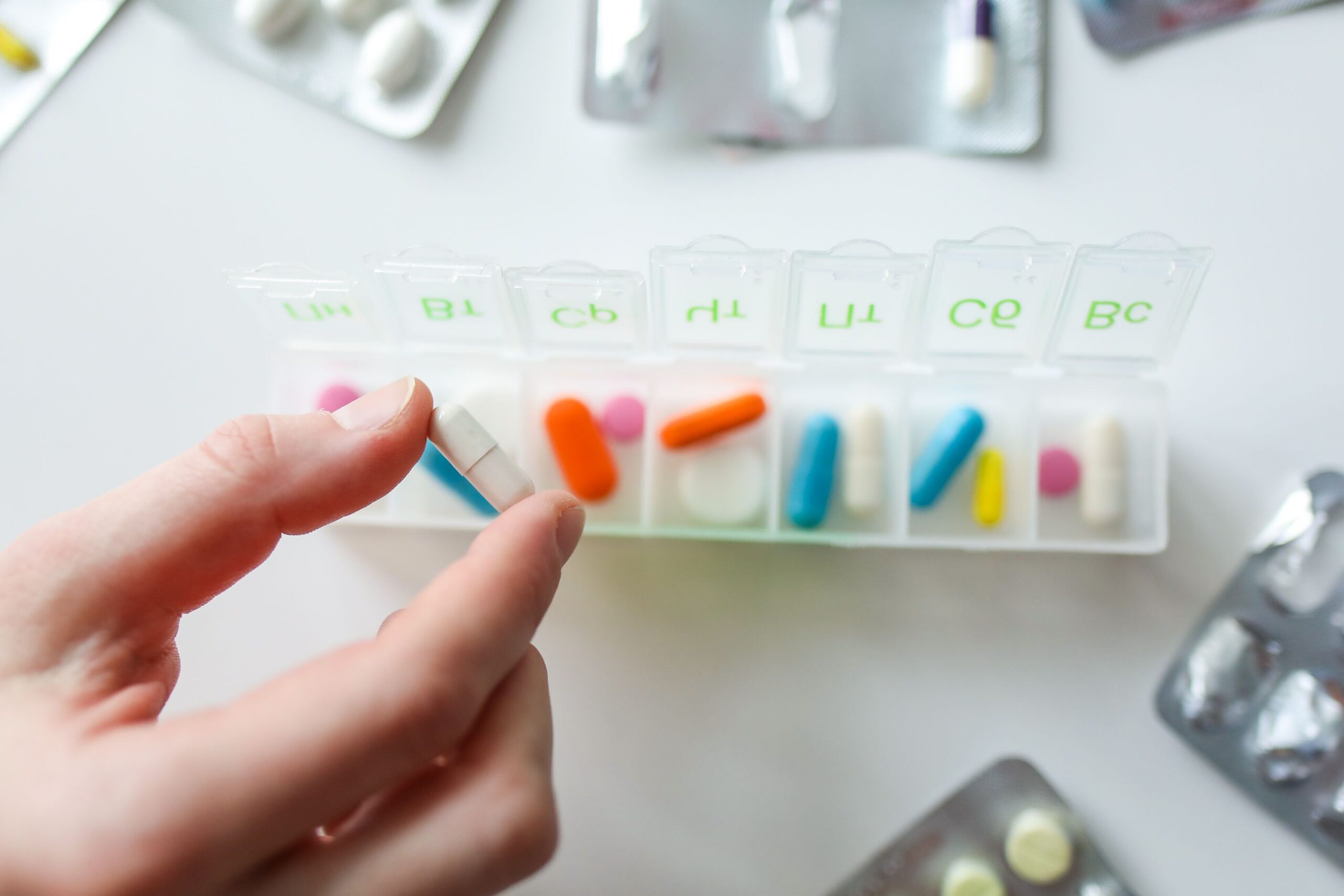
Some people find DAO enzyme supplements helpful when taken before meals, particularly on days when histamine load may be higher. Quercetin and vitamin C are also used to stabilize mast cells. Work with a provider to determine if supplementation is appropriate for your situation.
How long does it take to notice improvement after dietary changes?
Many people notice a reduction in symptoms within a few days to two weeks of lowering histamine intake and addressing contributing factors like stress, alcohol, or digestion. Consistency and context matter more than perfection.
Legal Disclaimer
The content published on Livium Health is for informational and educational purposes only. Nothing on this site constitutes medical advice, diagnosis, or treatment. Always consult a qualified healthcare provider before making decisions about your health, including changes to medications, supplements, diet, or exercise.
Livium Health is not a medical practice and does not have a patient-provider relationship with its readers. We do not sell supplements, medications, or treatments, and we have no financial relationship with the products or services we reference.
While we work to ensure the information we publish is accurate and up to date, health and medical guidance evolves. We make no guarantees about the completeness or currency of any content on this site. Reliance on any information provided by Livium Health is solely at your own risk.
If you are experiencing a medical emergency, call 911 or your local emergency services immediately.
We may receive compensation, free products, or affiliate commissions for products mentioned in this post. Opinions are our own.