
Share
Hormones
Women's Health
Hormonal water retention: What may be causing fluctuations
6 min read
Key takeaway
Hormonal water retention is a normal response to the rise and fall of estrogen and progesterone throughout your cycle. Tracking when it happens, staying hydrated, and balancing sodium and potassium can help reduce how much it disrupts your routine.
Why fluid balance shifts with your cycle
If you notice your rings feel tighter some days, your abdomen looks bloated without changes to your diet, or the scale jumps a few pounds overnight, you may be experiencing hormonal water retention. This type of fluid retention is tied to the natural rise and fall of estrogen and progesterone throughout your menstrual cycle. It is not the same as weight gain, and it is not a sign that something is wrong with your body.
Hormonal water retention is common, temporary, and largely predictable once you understand what drives it. The fluctuations can feel frustrating, but they follow a pattern you can learn to recognize and manage.
What causes hormonal water retention
Water retention linked to hormones happens because estrogen and progesterone influence how your body handles sodium and fluid. When estrogen rises, your body may hold onto more sodium, which pulls water into your tissues. When progesterone rises, it can have a mild diuretic effect, but the balance between the two hormones throughout your cycle determines how much fluid you retain at any given time.
In the luteal phase
The luteal phase begins after ovulation and lasts until your period starts. During this time, both estrogen and progesterone are elevated, but progesterone dominates. Many people notice the most significant water retention during the late luteal phase, in the week or few days before menstruation. This is when progesterone begins to drop and estrogen remains present, creating a hormonal environment that encourages fluid retention.
You may notice bloating in your abdomen, puffiness in your hands or face, or swelling in your lower legs. The scale may increase by two to five pounds, even if your eating and activity have not changed.
Around menstruation
Once your period begins, both estrogen and progesterone levels drop. This shift signals your body to release the excess fluid it was holding. Many people notice a quick drop in bloating and a return to their baseline weight within a day or two of bleeding starting.
During ovulation
Estrogen peaks just before ovulation, which can also cause mild fluid retention in some people. This is typically less noticeable than premenstrual bloating, but it can still show up as temporary puffiness or a slight increase in weight.
Other factors that influence fluid balance
Hormonal water retention does not happen in isolation. Your diet, stress levels, sleep quality, and activity can all affect how much fluid your body holds, especially during hormonally sensitive times in your cycle.
Sodium intake
When you eat more sodium than usual, your body retains water to maintain fluid balance. If you are already in a hormonally driven fluid retention phase, high sodium intake can make bloating feel worse. This does not mean you need to avoid salt entirely, but being aware of large fluctuations in your sodium intake can help you understand why bloating varies day to day.
Carbohydrate intake
Carbohydrates are stored in your muscles and liver as glycogen, and each gram of glycogen holds about three grams of water. If you increase your carbohydrate intake significantly, especially after a period of lower intake, your body may retain more water temporarily. This is normal and does not reflect fat gain.
Cortisol and stress
Chronic stress raises cortisol, which can influence aldosterone, a hormone that regulates sodium and water balance. Elevated cortisol may contribute to fluid retention, particularly if stress is sustained over time. This can compound hormonally driven bloating.
Movement and circulation
Sitting or standing for long periods without movement can cause fluid to pool in your lower legs and feet. This is not the same as hormonal bloating, but it can feel similar. Light movement, walking, or elevating your legs can help improve circulation and reduce this type of swelling.
What may help reduce bloating and fluid shifts
You cannot eliminate hormonal water retention entirely, but you can reduce how intense it feels and how much it disrupts your routine.
Track your cycle
Understanding when you are most likely to retain water can help you adjust your expectations around weight, how your clothes fit, and how you feel. Many people find it helpful to weigh themselves less frequently during the luteal phase or to track trends over weeks rather than focusing on daily changes.
Stay hydrated
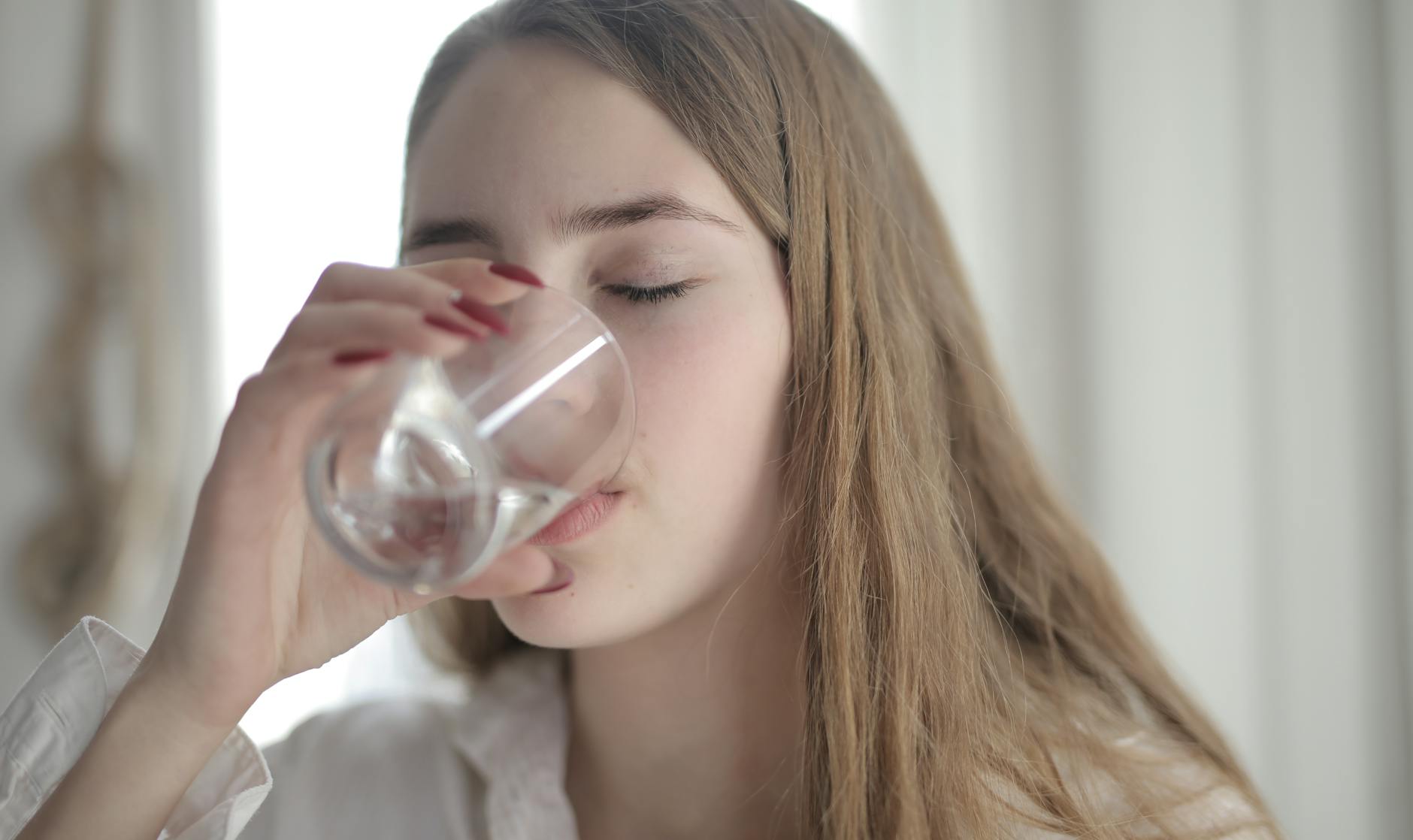
Drinking enough water can actually help reduce water retention. When your body senses dehydration, it holds onto more fluid as a protective response. Consistent hydration supports healthy fluid balance and kidney function.
Balance sodium and potassium
Potassium helps your body regulate sodium and fluid levels. Foods high in potassium include bananas, sweet potatoes, spinach, avocado, and tomatoes. You do not need to restrict sodium aggressively, but balancing it with potassium-rich foods may reduce bloating.
Move regularly
Movement supports circulation and lymphatic drainage, which can help your body clear excess fluid more efficiently. Walking, stretching, or light exercise can make a noticeable difference, especially if you spend most of your day sitting.
Limit alcohol and highly processed foods during high-retention phases
Alcohol can interfere with hydration and kidney function, which may worsen bloating. Highly processed foods are often high in sodium and low in potassium, which can contribute to fluid retention. You do not need to avoid these foods entirely, but moderating them during the late luteal phase may help.
Consider magnesium
Magnesium may help reduce water retention and support healthy muscle function. Some people notice less bloating when they take magnesium in the week before their period. Magnesium-rich foods include dark leafy greens, nuts, seeds, and whole grains. Supplementation is also an option, but it is worth discussing with a healthcare provider to determine the right type and dose.
When fluid retention may signal something else
Hormonal water retention is usually mild, temporary, and predictable. However, if bloating is severe, sudden, persistent outside of your cycle, or accompanied by other symptoms, it may be worth evaluating further.
Signs that may warrant professional input include sudden swelling in your face or legs that does not resolve, bloating that worsens over time, difficulty breathing or chest tightness, significant weight gain in a short period without explanation, or bloating paired with irregular or absent periods.
These patterns can be linked to thyroid imbalances, kidney or heart issues, polycystic ovary syndrome, or other hormonal conditions. They are not common, but they are worth ruling out if your symptoms do not fit the typical cycle-related pattern.
Table of Content

Know your body better.
Trusted By Thousands Daily







FAQ
Is it normal to gain several pounds of water weight before your period?
Yes. Many people gain two to five pounds in the days leading up to menstruation due to fluid retention. This typically resolves within a day or two of bleeding starting.
Can drinking more water actually reduce bloating?
Yes. When your body is well hydrated, it is less likely to hold onto excess fluid. Dehydration can trigger your body to retain water as a protective response.
Does birth control affect water retention?
It can. Hormonal birth control that contains estrogen may increase water retention in some people. Progesterone-only methods may have a smaller effect, but individual responses vary.
How long does hormonal bloating usually last?
Most people notice bloating in the few days before their period starts. It usually resolves quickly once menstruation begins and hormone levels drop.
When should I talk to a healthcare provider about bloating?
If your bloating is severe, persistent, unrelated to your cycle, or accompanied by other symptoms like pain, irregular periods, or sudden swelling, it is worth discussing with a provider to rule out underlying conditions.
Legal Disclaimer
The content published on Livium Health is for informational and educational purposes only. Nothing on this site constitutes medical advice, diagnosis, or treatment. Always consult a qualified healthcare provider before making decisions about your health, including changes to medications, supplements, diet, or exercise.
Livium Health is not a medical practice and does not have a patient-provider relationship with its readers. We do not sell supplements, medications, or treatments, and we have no financial relationship with the products or services we reference.
While we work to ensure the information we publish is accurate and up to date, health and medical guidance evolves. We make no guarantees about the completeness or currency of any content on this site. Reliance on any information provided by Livium Health is solely at your own risk.
If you are experiencing a medical emergency, call 911 or your local emergency services immediately.
We may receive compensation, free products, or affiliate commissions for products mentioned in this post. Opinions are our own.