
Share
Energy & Focus
Men's Health
Women's Health
Morning fog after 40: Why you wake up tired even after 8 hours
6 min read
Key takeaways
- Waking foggy after a full night of sleep is not a sleep quantity problem. It is most often a sleep quality, thyroid, or sleep apnea problem, with three different root causes and three different fixes.
- A normal TSH does not rule out a thyroid contribution to morning fog. Free T3 and free T4 are the markers that matter; most standard panels skip them.
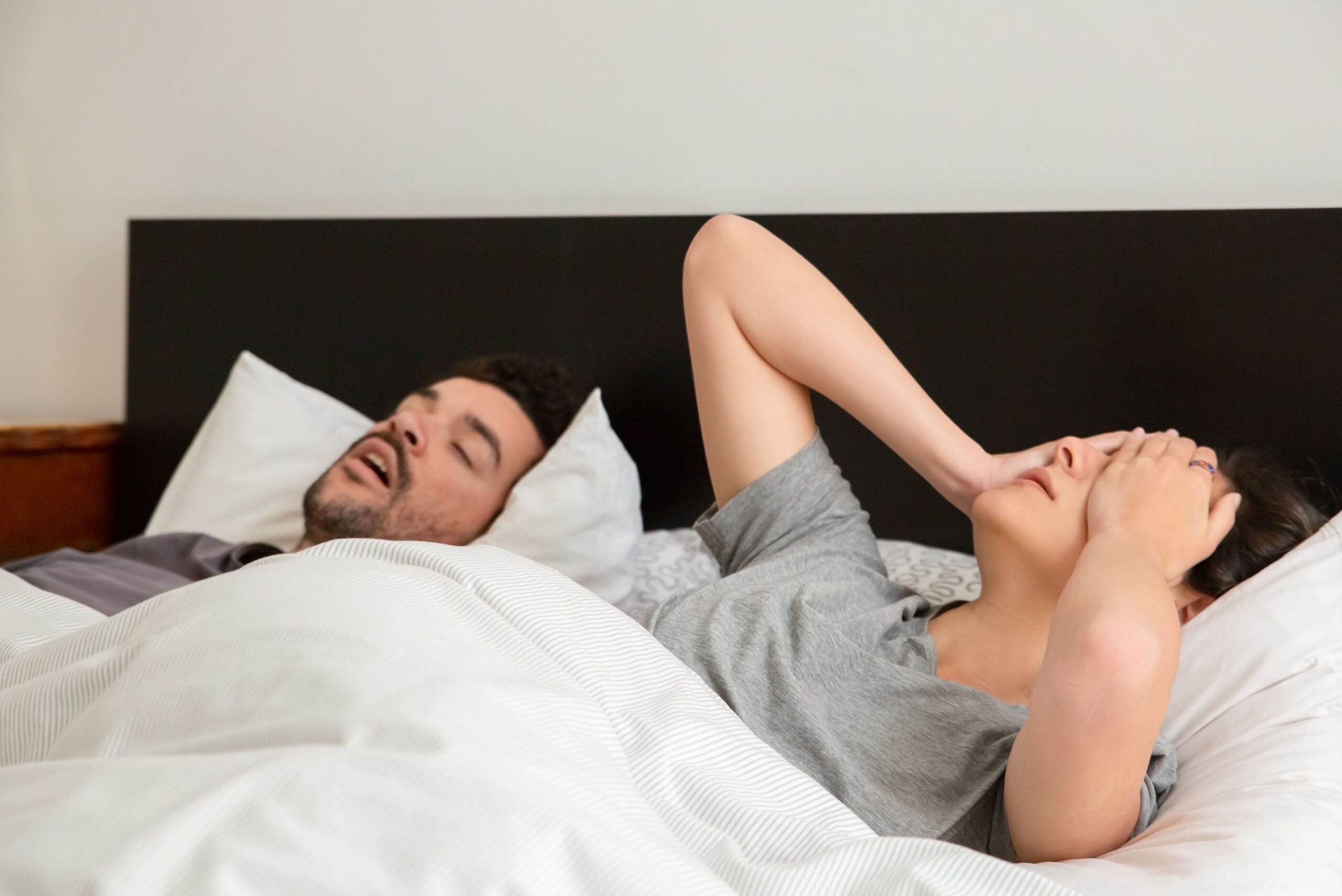
- Undiagnosed obstructive sleep apnea (OSA) is the most common single cause of waking unrested. You can have it with no snoring and no partner who notices.
- A home sleep test costs under $200 and takes one night. It rules in or rules out the most likely cause before you spend money on anything else.
It is 7:08 AM and you slept 8 hours
The alarm went off. You turned it off. You stared at the ceiling for four minutes because getting up required a decision that should not require a decision at 7 AM.
Not depressed. Not sick. Just thick. Head in a paper bag. Word recall slow, motivation absent, the day already asking more than it should before 9 AM. Coffee helps by 10. But “helps by 10” is not a plan. It is a workaround for something that should not need a workaround.
This is not sleepiness. Sleepiness is wanting more sleep. Morning fog is waking unrested after enough sleep. Different mechanism. Different diagnostic path.
What is actually happening
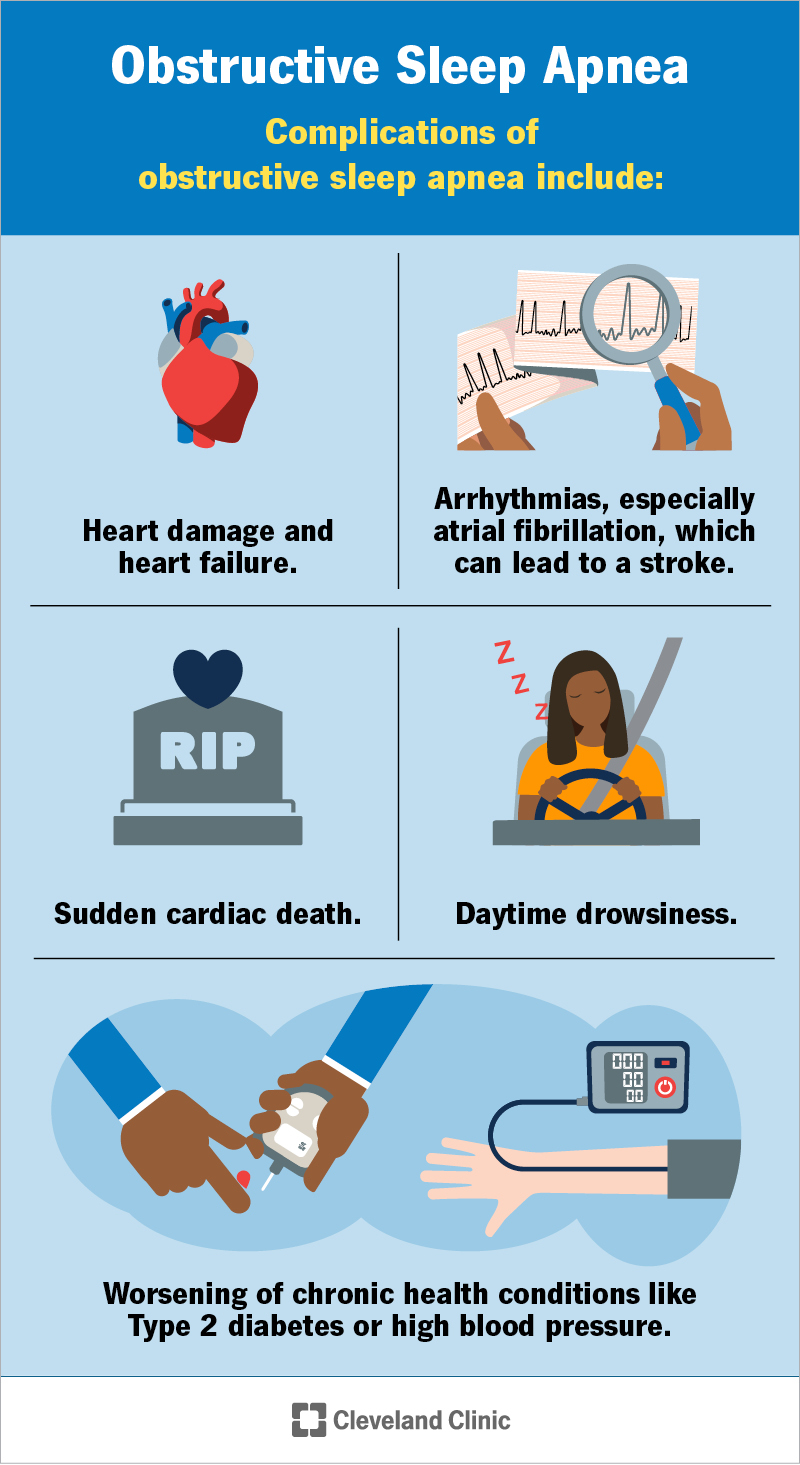
Sleep apnea. Obstructive sleep apnea interrupts breathing dozens of times per night, producing micro-arousals the sleeper almost never consciously registers. You do not wake up gasping. You just never complete a full deep-sleep or REM cycle because the airway keeps collapsing and the brain keeps dragging you out. Eight hours in bed with moderate OSA can produce the restorative effect of four. The apnea-hypopnea index (AHI), which counts breathing disruptions per hour, is the number that proves it. A home sleep test generates that number overnight.
Subclinical hypothyroidism. The thyroid produces T4, which converts to active T3, which runs virtually every cell’s energy metabolism. When conversion slows or production drops, the result is a general low-energy state most pronounced in the morning. Primary care measures TSH (thyroid-stimulating hormone) and calls it done. A TSH of 3.2 reads as “normal” on most reference ranges while many patients feel noticeably better when it drops to 1.0 to 1.5. Free T3 and free T4 are the direct measures of circulating thyroid hormone and they tell a different story than TSH alone.
Low testosterone in men. Testosterone drops roughly 1 to 2 percent per year after age 30. By the mid-40s many men are running on 60 to 70 percent of their peak levels. The symptom profile includes fatigue, reduced motivation, slower cognition, and poor sleep quality. Morning is when the deficit is most noticeable because testosterone naturally peaks in the early morning hours. A blunted peak is invisible without a blood draw.
What you have probably already tried
Going to bed earlier. More time in bed is not more restorative sleep if OSA is fragmenting every cycle. Spending nine hours in bed with untreated moderate OSA produces the same unrested outcome as seven hours. The problem is not time. It is airway.
Cutting screen time before bed. Correct advice, modest effect. Blue light suppresses melatonin and is worth addressing. But if the mechanism is OSA or thyroid, a no-screens rule will not move the needle significantly on morning energy.
Morning coffee immediately on waking. Masks the fog, does not fix it. Coffee occupies adenosine receptors and creates the subjective experience of alertness. When the caffeine wears off at 10 or 11 AM, you are right back where you started. The underlying deficit is still there.
The Livium take. Morning fog in adults over 40 almost always has a cause. It is not your personality. The diagnostic order: rule out OSA first (most common, most treatable, cheapest to test), then thyroid, then testosterone. Three tests, clear hierarchy, specific next steps at each branch.
The Livium recipe
Tool. Order a home sleep test first. The Lofta sleep apnea test is available at Lofta for under $200. You wear a sensor at home for one night, ship it back, and receive a physician-reviewed report with your AHI. An AHI under five events per hour is normal. Above five, you have OSA and a direct explanation for the fog. If the sleep test is clean, order a full thyroid panel (TSH plus free T3 plus free T4) and total and free testosterone through Function Health or Hone Health.
Behavior. Three things during the diagnostic window. No caffeine for the first 90 minutes after waking, letting the natural cortisol awakening response land cleanly. Consistent wake time every day including weekends, within 15 minutes. Bright light within five minutes of rising. These three establish the cleanest baseline for diagnostics and improve the outcome regardless of what the tests find.
Threshold. Morning alertness score at 9 AM, self-reported on a 1 to 10 scale, tracked for two weeks before the diagnostic and four weeks after treatment begins. If OSA is confirmed, the ResMed AirSense 11 continuous positive airway pressure (CPAP) machine is the current standard first-line treatment. Most people notice morning improvement within days of the first night on CPAP.
| Root cause | Key diagnostic | Target after treatment | Time to improvement |
|---|---|---|---|
| Obstructive sleep apnea (OSA) | Home sleep test, AHI score | AHI under 5 events/hour on CPAP | Days to weeks |
| Subclinical hypothyroidism | TSH plus free T3 plus free T4 | Free T3 in upper third of range; TSH 1.0 to 2.0 | 4 to 8 weeks on treatment |
| Low testosterone (men) | Total testosterone plus free testosterone, AM draw | Total testosterone 600 to 900 ng/dL | 3 to 6 weeks on TRT |
| Flat cortisol curve | DUTCH Complete (4-point urine cortisol) | Morning cortisol peak above 15 to 20 ng/mg | 8 to 12 weeks on protocol |
Source: Livium editorial synthesis based on Johns Hopkins Medicine, Lofta home sleep test clinical protocols, and standard reference ranges.
Plan of action
- Order the Lofta home sleep test this week. One night, one sensor, a physician-reviewed AHI report. Rule out or confirm OSA before spending money on anything else.
- Start the three baseline behaviors today: bright light within five minutes of waking, no coffee for the first 90 minutes, and consistent wake time seven days a week.
- If the sleep test comes back clean, order a full thyroid panel (TSH, free T3, free T4) plus testosterone through Function Health.
- If testosterone is low, bring results to Hone Health for a hormone-aware evaluation. Do not bring a testosterone result to a primary care doctor who does not specialize in testosterone replacement therapy (TRT). The conversation will not go well.
- If OSA is confirmed, the ResMed AirSense 11 CPAP machine is the current standard first-line treatment. Lofta ships the full package with setup support included.
Table of Content

Know your body better.
Trusted By Thousands Daily




FAQ
Can I have sleep apnea without snoring?
Yes. Snoring is common with OSA but not universal. Central sleep apnea can produce significant breathing disruptions with little or no snoring. Women with OSA are more likely than men to present with insomnia, fatigue, and headaches rather than loud snoring.
What is the difference between total and free testosterone?
Total testosterone measures all testosterone in the blood, including the fraction bound to proteins. Free testosterone is the unbound fraction available to your cells. You can have a “normal” total testosterone while free testosterone is low if you have high sex hormone-binding globulin (SHBG). Order both. The free number often tells the real story.
My doctor said my thyroid is fine. Should I push back?
Ask specifically whether free T3 and free T4 were checked, not just TSH. Many standard panels do not include free T3. If your result puts you in the lower third of the reference range, that is a conversation worth having with an endocrinologist who interprets ranges in context rather than as binary pass/fail.
Legal Disclaimer
The content published on Livium Health is for informational and educational purposes only. Nothing on this site constitutes medical advice, diagnosis, or treatment. Always consult a qualified healthcare provider before making decisions about your health, including changes to medications, supplements, diet, or exercise.
Livium Health is not a medical practice and does not have a patient-provider relationship with its readers. We do not sell supplements, medications, or treatments, and we have no financial relationship with the products or services we reference.
While we work to ensure the information we publish is accurate and up to date, health and medical guidance evolves. We make no guarantees about the completeness or currency of any content on this site. Reliance on any information provided by Livium Health is solely at your own risk.
If you are experiencing a medical emergency, call 911 or your local emergency services immediately.
We may receive compensation, free products, or affiliate commissions for products mentioned in this post. Opinions are our own.