
Share
Men's Health
Women's Health
NAD+ injections and aging: What to know before trying them
5 min read
Key takeaways
- NAD+ plays a key role in energy production and cellular repair, and its levels decline with age, but human evidence for NAD+ injections as an anti-aging tool remains limited and is still developing.
- Clinics offering NAD+ injections often operate without FDA oversight, so provider qualifications, dosing transparency, and safety monitoring vary widely and should be carefully evaluated.
- Before considering NAD injections and aging treatments, focus on foundational habits like sleep, exercise, and nutrition, which naturally support NAD+ production and are backed by stronger evidence.
- If you choose to try NAD+ therapy, work with a qualified provider who uses biomarkers, clearly explains the protocol, and tracks outcomes over time rather than making broad anti-aging promises.
Why NAD+ is appearing in longevity clinics
NAD+ injections have become one of the most talked-about treatments in longevity and wellness circles. Clinics promote them for energy, aging reversal, and metabolic support. The science behind NAD+ is real, but the claims often outpace the evidence. Before deciding whether to try NAD injections or aging protocols, it helps to understand what NAD+ actually does, what the research shows, and which questions matter most when evaluating a clinic or provider.
What NAD+ does in the body
NAD+, or nicotinamide adenine dinucleotide, is a coenzyme found in every cell. It plays a central role in energy production, DNA repair, and cellular communication. As you age, NAD+ levels decline. This drop is associated with mitochondrial dysfunction, slower recovery, reduced energy, and markers of cellular aging.
The appeal of supplementing NAD+ directly is that it may help restore some of these functions. In animal studies, boosting NAD+ has been linked to improved metabolism, better muscle function, and extended lifespan in certain models. In humans, the picture is less clear.
What the current evidence shows
Most of the strong evidence for NAD+ comes from preclinical research. Studies in mice and cell cultures show promise, but human trials are limited, small, and often lack long-term follow-up.
What has been studied:
- NAD+ precursors like nicotinamide riboside and nicotinamide mononucleotide have shown the ability to raise NAD+ levels in humans
- Some small trials suggest improvements in insulin sensitivity, inflammation markers, and muscle function
- Direct NAD+ infusions or injections bypass digestion and may deliver higher doses more quickly
What remains uncertain:
- Whether raising NAD+ in the short term translates to meaningful longevity or healthspan benefits
- What dose, frequency, and delivery method are most effective
- Whether injections offer a significant advantage over oral precursors
- Long-term safety data for repeated high-dose use
The research is early. NAD+ may help in specific contexts, but it is not yet a proven anti-aging intervention.
Why clinics are offering NAD+ injections
NAD+ fits neatly into the longevity market. It has a plausible biological mechanism, early-stage research support, and a clear pitch: restore what declines with age. Clinics often position NAD+ as part of a broader wellness or performance protocol.
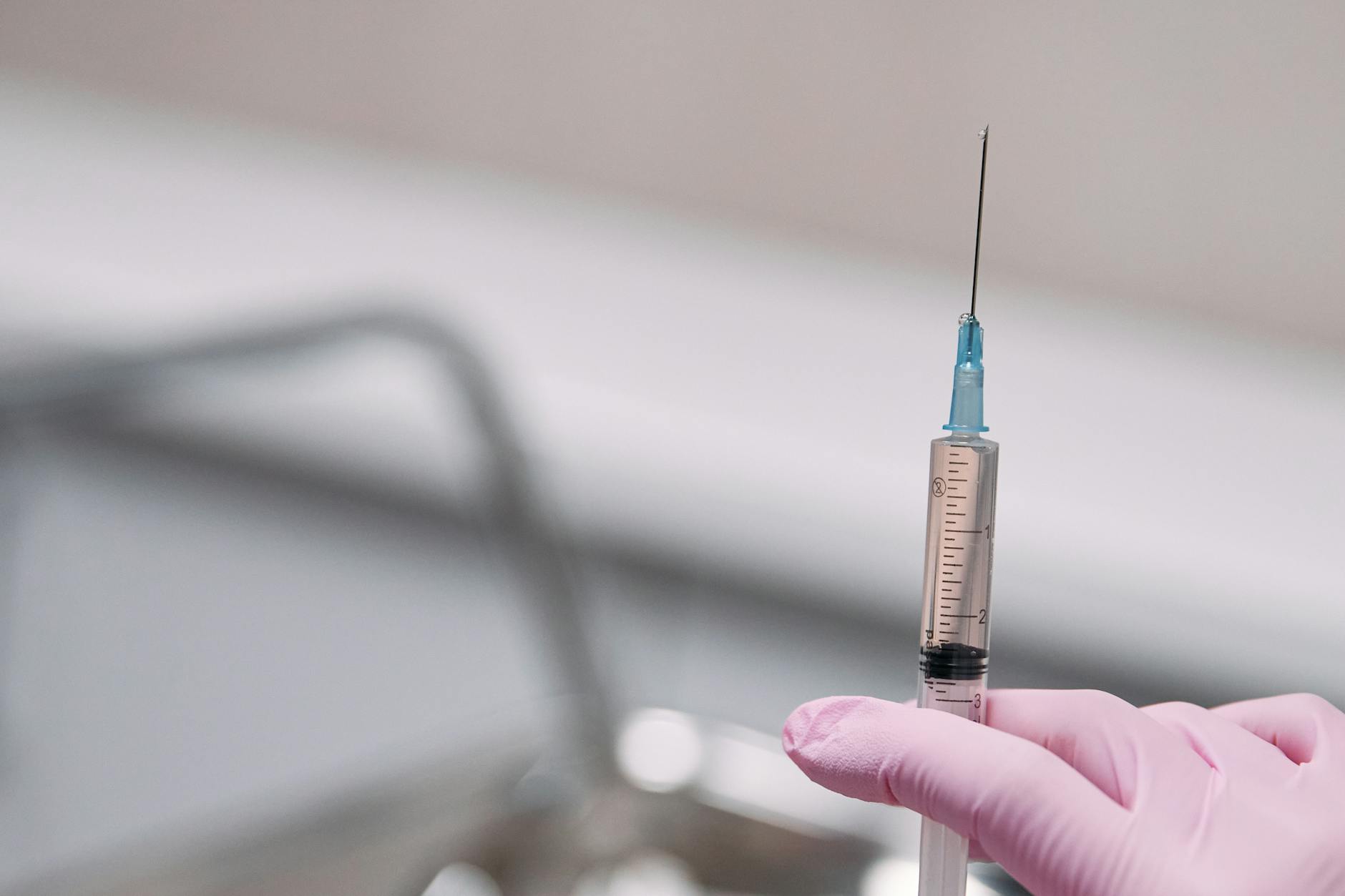
In many cases, NAD+ is delivered via intramuscular injection or intravenous infusion. IV infusions tend to be more expensive and time-intensive. Injections are faster and may be offered as part of a package or subscription model.
Because NAD+ and its precursors are not FDA-approved drugs for aging, clinics operate in a gray area. They may frame treatment as wellness support rather than medical intervention. This means oversight, dosing standards, and quality control can vary widely.
What to ask before trying NAD+ injections
If you are considering NAD injections for aging treatment, the clinic and provider matter as much as the treatment itself. Not all clinics follow the same standards, and not all practitioners have the same training or transparency.
Questions to ask:
- What form of NAD+ or precursor is being used?
- What is the dose, and how was it determined?
- How often is treatment recommended, and for how long?
- What kind of monitoring or follow-up is included?
- What are the potential side effects or risks?
- What does the research say about this specific protocol?
- Is the provider a licensed physician, nurse practitioner, or other qualified professional?
- What is the total cost, and what does it include?
If a clinic cannot or will not answer these questions clearly, that is a red flag.
Cost and access
NAD+ injections are not covered by insurance. Pricing varies significantly depending on location, clinic type, and whether the treatment is part of a package. A single injection may cost anywhere from $50 to $200. IV infusions can range from $200 to over $1,000 per session.
Some clinics recommend weekly or biweekly sessions over several months. This can add up quickly, and there is no guarantee of benefit. If cost is a concern, oral NAD+ precursors like nicotinamide riboside or nicotinamide mononucleotide are a lower-cost starting point, though absorption and effectiveness vary.
What may help more than NAD+ injections
Before spending money on emerging therapies, it is worth optimizing foundational behaviors known to support NAD+ production and cellular health.
What supports NAD+ naturally:
- Regular physical activity, especially strength training and Zone 2 cardio
- Adequate sleep, which supports mitochondrial repair
- Time-restricted eating or intermittent fasting, which may increase NAD+ production
- Limiting alcohol, which depletes NAD+
- Eating foods rich in NAD+ precursors, such as dairy, fish, mushrooms, and green vegetables
These habits are free, well-studied, and foundational to healthspan. They may not feel as cutting-edge as an injection, but they work.
When NAD+ injections might make sense
NAD+ therapy may be worth exploring if you have already addressed the basics, are working with a qualified provider, and have specific goals that align with what NAD+ may support, such as recovery, energy optimization, or metabolic health.
It may also make sense if you are part of a clinical trial or working with a provider who is tracking biomarkers and outcomes over time. In that context, you are not just guessing. You are measuring.
It does not make sense if you are skipping foundational habits, seeking a quick fix, or working with a provider who cannot clearly explain the treatment.
Plan of action
- Start with the basics: prioritize sleep, exercise, nutrition, and stress management before exploring NAD+ injections
- If you are curious about NAD+, consider oral precursors like nicotinamide riboside or nicotinamide mononucleotide as a lower-cost first step
- Research clinics carefully and ask detailed questions about dosing, safety, monitoring, and provider qualifications
- Look for providers who use lab work or biomarkers to guide treatment and track progress
- Be skeptical of clinics that promise anti-aging results without nuance or long-term data
- Set a budget and timeline, and evaluate whether you notice measurable changes before committing to ongoing treatment
- Recognize that NAD+ is still an emerging tool, not a proven longevity solution
Table of Content

Know your body better.
Trusted By Thousands Daily










FAQ
Are NAD+ injections safe?
NAD+ injections are generally considered safe when administered by a qualified provider, but long-term safety data in humans is limited. Some people experience mild side effects like nausea, flushing, or discomfort at the injection site.
How long does it take to feel a difference from NAD+ injections?
Some people report feeling more energy or mental clarity within a few days to a week. Others notice no change. Response varies, and placebo effects may play a role when objective tracking is absent.
Is there a difference between NAD+ injections and oral supplements?
Injections deliver NAD+ or its precursors directly into the bloodstream or muscle, bypassing digestion. Oral supplements must be absorbed and converted, which may reduce bioavailability. Both approaches can raise NAD+ levels, but the optimal delivery method remains under study.
Can NAD+ injections reverse aging?
There is no evidence that NAD+ injections reverse aging in humans. They may support certain aspects of cellular function, but aging is a complex process that cannot be undone by a single intervention.
Should I try NAD+ injections if I am healthy?
If you are already healthy and practicing good sleep, nutrition, and exercise habits, NAD+ injections are optional and experimental. They may offer marginal benefits, but they are not necessary for maintaining health or longevity.
Legal Disclaimer
The content published on Livium Health is for informational and educational purposes only. Nothing on this site constitutes medical advice, diagnosis, or treatment. Always consult a qualified healthcare provider before making decisions about your health, including changes to medications, supplements, diet, or exercise.
Livium Health is not a medical practice and does not have a patient-provider relationship with its readers. We do not sell supplements, medications, or treatments, and we have no financial relationship with the products or services we reference.
While we work to ensure the information we publish is accurate and up to date, health and medical guidance evolves. We make no guarantees about the completeness or currency of any content on this site. Reliance on any information provided by Livium Health is solely at your own risk.
If you are experiencing a medical emergency, call 911 or your local emergency services immediately.
We may receive compensation, free products, or affiliate commissions for products mentioned in this post. Opinions are our own.