
Share
Hormones
Men's Health
Performance dips in men under stress: What may be happening
5 min read
Key takeaway
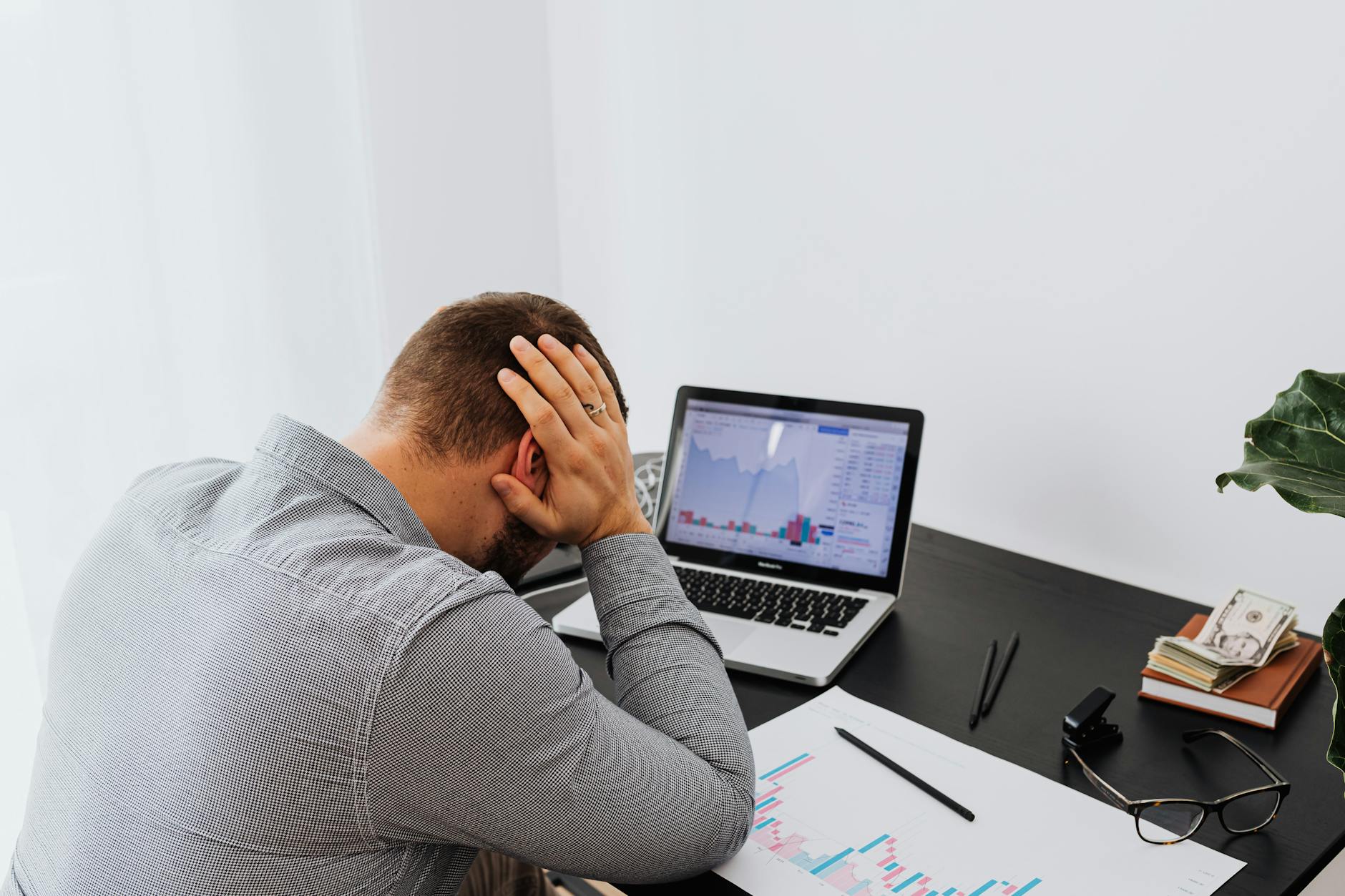
Performance dips in men under stress often connect to elevated cortisol and suppressed testosterone. The body responds to sustained strain by shifting into a protective state that sacrifices performance for survival. Recognizing the pattern early and addressing sleep, recovery, and stress load can help restore balance and rebuild resilience.
Why stress affects performance in men
When stress becomes chronic or intense, many men notice changes in physical and mental performance. Energy drops, motivation fades, strength feels harder to maintain, and focus becomes inconsistent. These changes are not random. They relate to how the body responds to prolonged stress, particularly through shifts in hormones such as cortisol and testosterone.
Understanding what happens during stress and why it affects performance can help you identify patterns in your own body and make adjustments that support recovery.
How cortisol influences performance
Cortisol is your primary stress hormone. It rises in response to physical, mental, or emotional strain. In the short term, cortisol helps you respond to challenges by increasing energy availability and sharpening focus. But when stress becomes ongoing, cortisol stays elevated longer than it should.
High cortisol over time can interfere with muscle recovery, disrupt sleep, increase fat storage around the midsection, and reduce mental clarity. It also affects testosterone production. Chronically elevated cortisol suppresses the signals that tell the body to produce testosterone, which plays a central role in energy, strength, motivation, and recovery.
This shift creates a feedback loop. High stress raises cortisol, cortisol lowers testosterone, and lower testosterone makes it harder to recover from stress. The result is a gradual decline in performance across physical and mental domains.
What performance changes may look like
Physical performance
You may notice that workouts feel harder, strength gains stall, or recovery takes longer. Muscle soreness lingers, and motivation to train decreases. Even with consistent effort, progress feels slower or stagnant.
Mental performance
Focus becomes harder to sustain. Decision-making feels more taxing. Mental stamina drops, especially later in the day. Tasks that once felt manageable now require more effort.
Energy and drive
Baseline energy dips. Mornings feel sluggish, and afternoons bring fatigue. Motivation to engage in work, training, or social activity decreases. The drive to push through challenges fades.
Sleep quality
Sleep may become lighter or more fragmented. Waking during the night becomes more common. Even with adequate sleep duration, rest feels less restorative.
These changes often develop gradually, making them easy to dismiss as normal aging, overwork, or just a rough phase. But they are often signals that stress hormones are out of balance.
Why testosterone matters for stress resilience
Testosterone supports more than muscle and libido. It plays a role in energy regulation, mood stability, motivation, and cognitive function. When testosterone drops, the body becomes less resilient to stress. Recovery slows, mood becomes more reactive, and the ability to sustain effort decreases.
Chronic stress suppresses testosterone production in two ways. First, elevated cortisol directly interferes with the hormonal signals that trigger testosterone release. Second, stress often disrupts sleep, which is when the majority of testosterone is produced. Poor sleep compounds the problem by limiting both testosterone production and recovery capacity.
Common stress triggers that affect performance
Work intensity
Long hours, high demands, and limited control over workload create sustained mental and emotional strain. When work stress is chronic, cortisol remains elevated throughout the day and into the evening.
Sleep disruption
Inconsistent sleep, poor sleep quality, or insufficient rest prevents the body from fully recovering. Sleep is when cortisol should drop and testosterone should rise. Disrupted sleep blocks both.
Overtraining
Training without adequate recovery adds physical stress on top of mental and emotional stress. The body cannot distinguish between types of stress. It responds to the total load.
Nutrition gaps
Skipping meals, eating inconsistently, or relying on quick energy from caffeine and sugar creates blood sugar swings that trigger cortisol release. Over time, this contributes to chronic elevation.
Lack of downtime
Constant activity, even if not stressful in the moment, prevents the nervous system from shifting into recovery mode. Without downtime, cortisol remains elevated above baseline.
What may help support recovery
Prioritize sleep consistency
Aim for the same sleep and wake times each day. Create a wind-down routine that signals the body to shift into rest mode. Reduce screen time and stimulating activity in the hour before bed.
Manage training volume
If performance is declining, consider temporarily reducing training intensity or volume. Focus on movement quality over maximum effort. Allow full recovery between hard sessions.
Stabilize blood sugar
Eat protein and fat with each meal. Avoid long gaps between meals. Reduce reliance on sugar and caffeine for energy. Stable blood sugar helps regulate cortisol.
Build in recovery time
Schedule breaks during the day. Take short walks. Step away from screens. Give the nervous system time to downshift.
Consider testing
If symptoms persist, lab work can provide clarity. Testing cortisol patterns, testosterone levels, and related markers can help identify whether hormonal imbalance is contributing to performance changes.
Address controllable stressors
While not all stress is avoidable, some stressors can be reduced or managed. Evaluate workload, boundaries, and daily routines. Small adjustments can lower total stress load.
Table of Content

Know your body better.
Trusted By Thousands Daily







FAQ
How long does it take to notice improvement after reducing stress?
Many men notice changes in energy and recovery within one to two weeks of improving sleep and reducing training intensity. Hormonal shifts take longer, often several weeks to months, depending on how long stress has been elevated.
Can performance drop even if stress does not feel overwhelming?
Yes. The body responds to total stress load, not just perceived stress. Work demands, poor sleep, inconsistent nutrition, and high training volume all contribute, even if no single factor feels extreme.
Is low testosterone always caused by stress?
No. Low testosterone can result from aging, medical conditions, medications, or lifestyle factors unrelated to stress. However, chronic stress is a common and often overlooked contributor, especially in younger and middle-aged men.
When should you consider lab testing?
If performance dips persist despite improvements in sleep, nutrition, and recovery, or if symptoms include significant fatigue, mood changes, or loss of motivation, lab work may help clarify whether a hormonal imbalance is involved.
Does reducing stress always restore performance?
In many cases, yes. However, the timeline varies. Some men recover quickly with lifestyle changes. Others may need more targeted support, especially if stress has been chronic or other factors are involved.
Legal Disclaimer
The content published on Livium Health is for informational and educational purposes only. Nothing on this site constitutes medical advice, diagnosis, or treatment. Always consult a qualified healthcare provider before making decisions about your health, including changes to medications, supplements, diet, or exercise.
Livium Health is not a medical practice and does not have a patient-provider relationship with its readers. We do not sell supplements, medications, or treatments, and we have no financial relationship with the products or services we reference.
While we work to ensure the information we publish is accurate and up to date, health and medical guidance evolves. We make no guarantees about the completeness or currency of any content on this site. Reliance on any information provided by Livium Health is solely at your own risk.
If you are experiencing a medical emergency, call 911 or your local emergency services immediately.
We may receive compensation, free products, or affiliate commissions for products mentioned in this post. Opinions are our own.