
Share
Men's Health
Sleep
Women's Health
The jaw, the tongue, and the airway: What dentists know about sleep that your doctor doesn’t
6 min read
Key takeaways
- Snoring and mild-to-moderate obstructive sleep apnea (OSA) often have a structural cause that neither a CPAP machine nor a drug addresses. The structure is the jaw, tongue, and upper airway, and it is accessible through dentistry and myofunctional therapy.
- Mandibular advancement devices (MADs), custom oral appliances made by sleep dentists, are AASM-recommended as an alternative to CPAP for mild-to-moderate OSA in adults who cannot tolerate CPAP. They work by repositioning the jaw and tongue forward, physically enlarging the airway during sleep.
- Myofunctional therapy (tongue and throat exercises) reduces apnea-hypopnea index (AHI) by 50 percent on average in multiple randomized controlled trials. It is one of the most underused and underknown interventions in sleep medicine.
- These structural interventions are most effective for mild-to-moderate OSA (AHI under 30). Severe OSA (AHI above 30) still needs CPAP, Zepbound, or Inspire as the primary tool.
The snorer who passed their sleep study
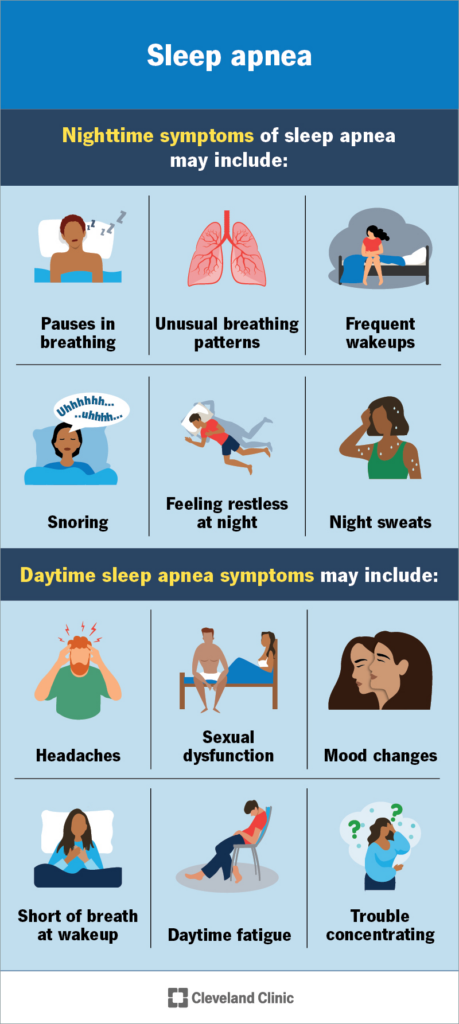
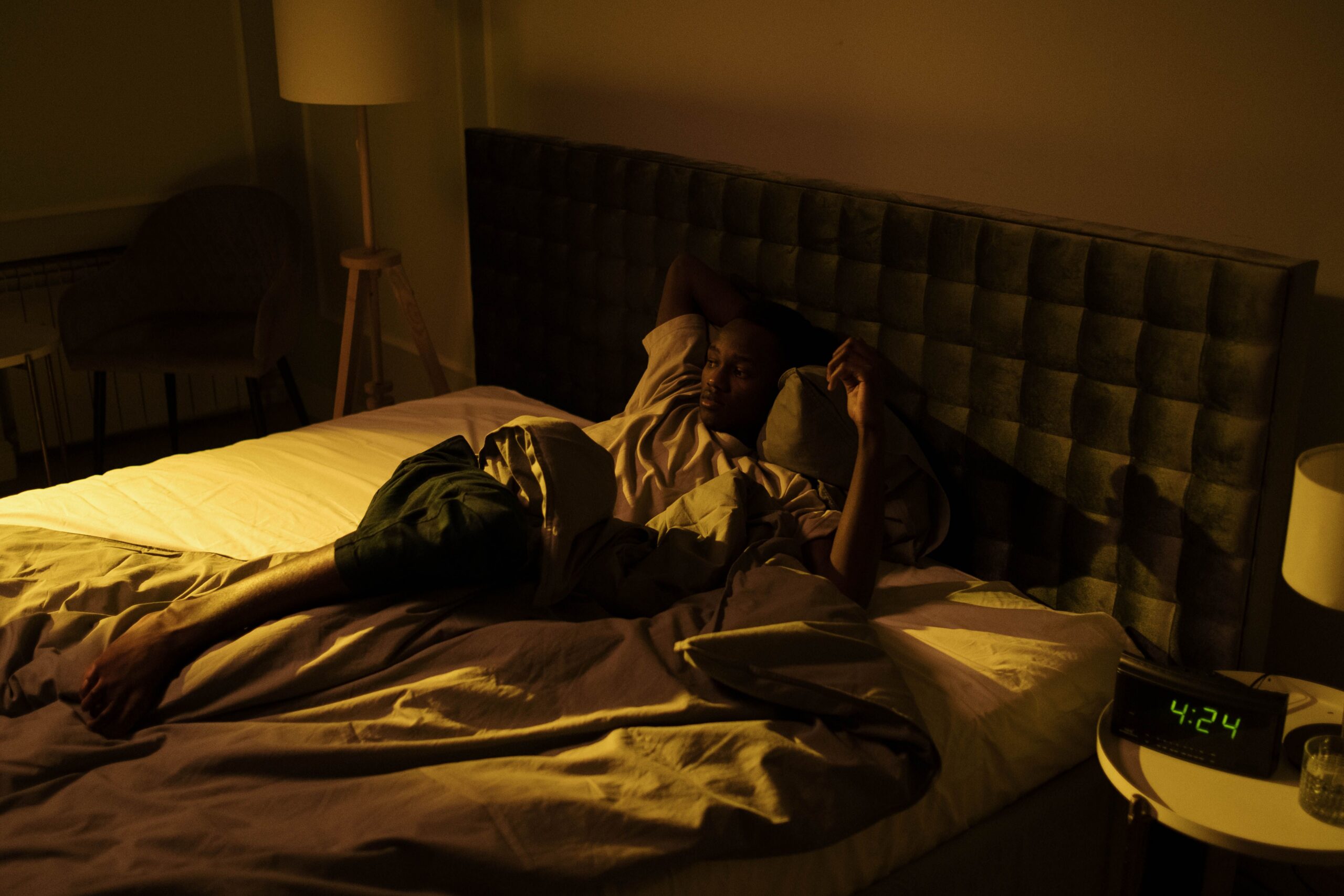
The home sleep test came back with an apnea-hypopnea index (AHI) of 8. “Mild.” The doctor said it wasn’t bad enough for CPAP. Go home, lose some weight, try sleeping on your side. The snoring continues. The partner sleeps in another room three nights a week. The morning headaches persist.
This is a very common midlife scenario, and the doctor was not wrong, but they were not complete. An AHI of 8 does not meet the threshold for automatic CPAP prescription, but it does meet the threshold for intervention. The question is what kind.
The answer almost never comes from the physician visit. It comes from a sleep-trained dentist or an orofacial myofunctional therapist: two specialties that primary care rarely mentions.
Why the jaw and tongue matter
Obstructive sleep apnea happens when soft tissue in the upper airway collapses during sleep. The most common site of collapse is behind the tongue. The tongue falls back and down, narrows the pharyngeal airway, and either produces a partial obstruction (snoring, hypopneas) or a complete obstruction (apneas).
Two factors govern how much the tongue collapses. The first is the structural space: jaw size, tongue size relative to jaw size, and the angle of the soft palate. These are largely anatomical and change with age as the jaw slightly remodels and fat deposits accumulate around the pharynx. The second factor is muscle tone. The tongue, pharynx, and genioglossus (the main tongue muscle) lose tone with age, just like all muscles. Reduced tone means greater collapse under the relaxation of sleep.
Both factors are addressable. Structural space can be improved with a mandibular advancement device. Muscle tone can be improved with myofunctional therapy. Neither requires a machine, a prescription, or a surgery. Both have clinical trial data.
Mandibular advancement devices
A mandibular advancement device (MAD) is a custom oral appliance that holds the lower jaw (mandible) slightly forward during sleep. When the jaw moves forward, the tongue moves forward with it, enlarging the posterior airway space. The mechanism is purely mechanical.
Custom MADs, made by a dentist or orthodontist trained in sleep medicine, have AHI reduction of 50 to 70 percent in mild-to-moderate OSA. They are less effective than CPAP for severe OSA but more effective than CPAP for the obvious reason: people actually wear them. CPAP adherence at one year is estimated around 50 to 60 percent. MAD adherence is higher because the appliance is small, quiet, and does not require a mask.
Over-the-counter boil-and-bite devices exist and are substantially cheaper than custom appliances. They work to a degree. The custom-fitted version is meaningfully more effective because the fit determines the amount and direction of advancement, and the fit on a boil-and-bite is approximate at best. If the sleep dentist conversation is cost-prohibitive, an over-the-counter MAD is still better than nothing for mild OSA and snoring. A fitted anti-snoring mandibular device is the starting-point option while you pursue a custom evaluation.
Myofunctional therapy
Orofacial myofunctional therapy (OMT) is a structured exercise program for the tongue, lips, jaw, and throat muscles. It was developed to address improper tongue posture and swallowing patterns, but its effects on sleep-disordered breathing have been consistently documented across multiple clinical trials.
A 2015 meta-analysis in CHEST (Camacho et al.) found myofunctional therapy reduced AHI by 50 percent in adults with OSA. A 2020 randomized controlled trial published in Sleep showed similar results, with additional improvements in oxygen saturation and snoring frequency. The therapy consists of daily exercises: tongue presses, cheek resistance training, specific swallowing patterns, and nasal breathing retraining. Most programs are 12 to 16 weeks.
The gap between the evidence and the uptake is striking. Most patients with mild OSA leave their physician’s office without ever hearing the words myofunctional therapy. The AASM included it in the 2015 positional statement on pediatric OSA. The adult literature is equally positive. The therapy does not require equipment and can be done in 15 minutes daily.
The Livium recipe
Tool. Get a home sleep test first if you have not. Lofta home sleep test ($189) establishes your AHI baseline and tells you what you are working with. If your AHI is under 30, you are in the range where a MAD and myofunctional therapy can produce meaningful results. For the structural approach: see a dentist who advertises sleep medicine experience for a custom MAD consultation. As a starting point while you pursue that: a fitted mandibular advancement device. For myofunctional therapy: a certified orofacial myofunctional therapist (the Academy of Orofacial Myofunctional Therapy maintains a provider directory at aomtinfo.org). A nasal dilator supports nasal breathing at night, which is a prerequisite for effective myofunctional work.
Behavior. Three-track approach: Track 1: nasal breathing retraining. Most mouth-breathers have elevated AHI because mouth breathing collapses the palate differently than nasal breathing. Practice nasal breathing during the day before addressing it at night. Mouth tape at night (sleep mouth tape) is controversial but has a small randomized trial showing AHI reduction in mild OSA in confirmed nasal breathers. Track 2: myofunctional exercises daily. The most effective core exercises: tongue to roof of mouth presses (30 seconds hold), tongue sweeps across upper palate, vowel pronunciation exercises engaging the soft palate. Track 3: MAD use nightly, starting with minimal advancement and increasing weekly until snoring resolves.
Threshold. Repeat the home sleep test after 12 weeks of consistent MAD use and myofunctional therapy. A 40 to 50 percent reduction in AHI is a realistic target for mild-to-moderate OSA. If AHI remains above 15 after 12 weeks, the structural changes alone are insufficient, and a CPAP conversation is appropriate. Use the Lofta home sleep test again; it is the same $189 test, repeatable as needed.
| OSA severity (AHI) | AASM-recommended tools | Structural tools (MAD + OMT) | Expected AHI reduction |
|---|---|---|---|
| Mild (5–15) | MAD, positional therapy, lifestyle | High effectiveness | 50–70% |
| Moderate (15–30) | CPAP preferred; MAD acceptable alternative | Moderate effectiveness; useful adjunct to CPAP | 30–50% |
| Severe (>30) | CPAP, Zepbound (if obese), Inspire | Adjunct only; not primary treatment | 15–25% |
Source: Livium editorial synthesis based on AASM Practice Standards for OSA and Camacho et al., CHEST (2015) myofunctional therapy meta-analysis.
Plan of action
- If you snore and have not done a sleep test, start there. A Lofta home sleep test takes one night and gives you an AHI score that determines which tools are appropriate. Guessing at treatment without a baseline is the long way around.
- If your AHI is between 5 and 30, ask your dentist explicitly whether they have training in dental sleep medicine or can refer you to someone who does. This is a dentist conversation, not a physician conversation. The physician will likely default to CPAP for anything above 5.
- Look up a certified orofacial myofunctional therapist through the Academy of Orofacial Myofunctional Therapy (aomtinfo.org). The therapy is done largely online these days and takes 30 to 40 minutes per week of provider time over 12 to 16 weeks, with daily home exercises.
- Sleep position matters. Supine sleeping (on your back) increases AHI by 50 to 100 percent compared to lateral sleeping in most mild-to-moderate OSA patients. A positional sleep wedge or a body pillow is the cheapest OSA intervention available.
Table of Content

Know your body better.
Trusted By Thousands Daily






FAQs
Does a mandibular advancement device hurt your teeth or jaw?
Temporary jaw soreness in the first two weeks is common as the muscles adapt to the new resting position. Permanent tooth movement or bite change is a risk with chronic use, which is why custom-fitted devices from a trained sleep dentist are preferred over OTC devices and why follow-up visits to monitor occlusion are part of the protocol. Morning jaw exercises to re-seat the bite are typically part of any good MAD protocol.
Can myofunctional therapy replace CPAP for severe OSA?
No. Myofunctional therapy is powerful evidence for mild-to-moderate OSA and as an adjunct. For severe OSA (AHI above 30), the structural airway collapse is too significant for muscle toning to overcome. CPAP, weight loss, Zepbound, or Inspire are the primary tools for severe disease. Myofunctional therapy can still help as a complement, reducing the pressure required from CPAP and improving outcomes, but it does not replace it.
Is there a connection between jaw clenching (bruxism) and sleep quality?
Yes, and an underappreciated one. Sleep bruxism is associated with sleep-disordered breathing in multiple studies; some evidence suggests bruxism is a protective reflex in response to airway collapse. If you clench your teeth at night, a sleep study is worth having. Treating the underlying sleep-disordered breathing often reduces bruxism frequency.
Legal Disclaimer
The content published on Livium Health is for informational and educational purposes only. Nothing on this site constitutes medical advice, diagnosis, or treatment. Always consult a qualified healthcare provider before making decisions about your health, including changes to medications, supplements, diet, or exercise.
Livium Health is not a medical practice and does not have a patient-provider relationship with its readers. We do not sell supplements, medications, or treatments, and we have no financial relationship with the products or services we reference.
While we work to ensure the information we publish is accurate and up to date, health and medical guidance evolves. We make no guarantees about the completeness or currency of any content on this site. Reliance on any information provided by Livium Health is solely at your own risk.
If you are experiencing a medical emergency, call 911 or your local emergency services immediately.
We may receive compensation, free products, or affiliate commissions for products mentioned in this post. Opinions are our own.