
Share
Energy & Focus
Men's Health
Women's Health
Vitamin D and energy: The supplement most people take the wrong way
6 min read

Key takeaways
- Vitamin D deficiency affects an estimated 40 to 70 percent of American adults depending on the threshold used. Most people taking a supplement have never run the 25-hydroxyvitamin D (25-OH D) blood test to confirm the dose is actually moving their level.
- The standard clinical threshold of 20 ng/mL prevents bone disease. The functional target for energy, immune signaling, and mood is 50 to 80 ng/mL. Standard dosing of 1,000 to 2,000 IU per day rarely reaches that range in someone starting below 30 ng/mL.
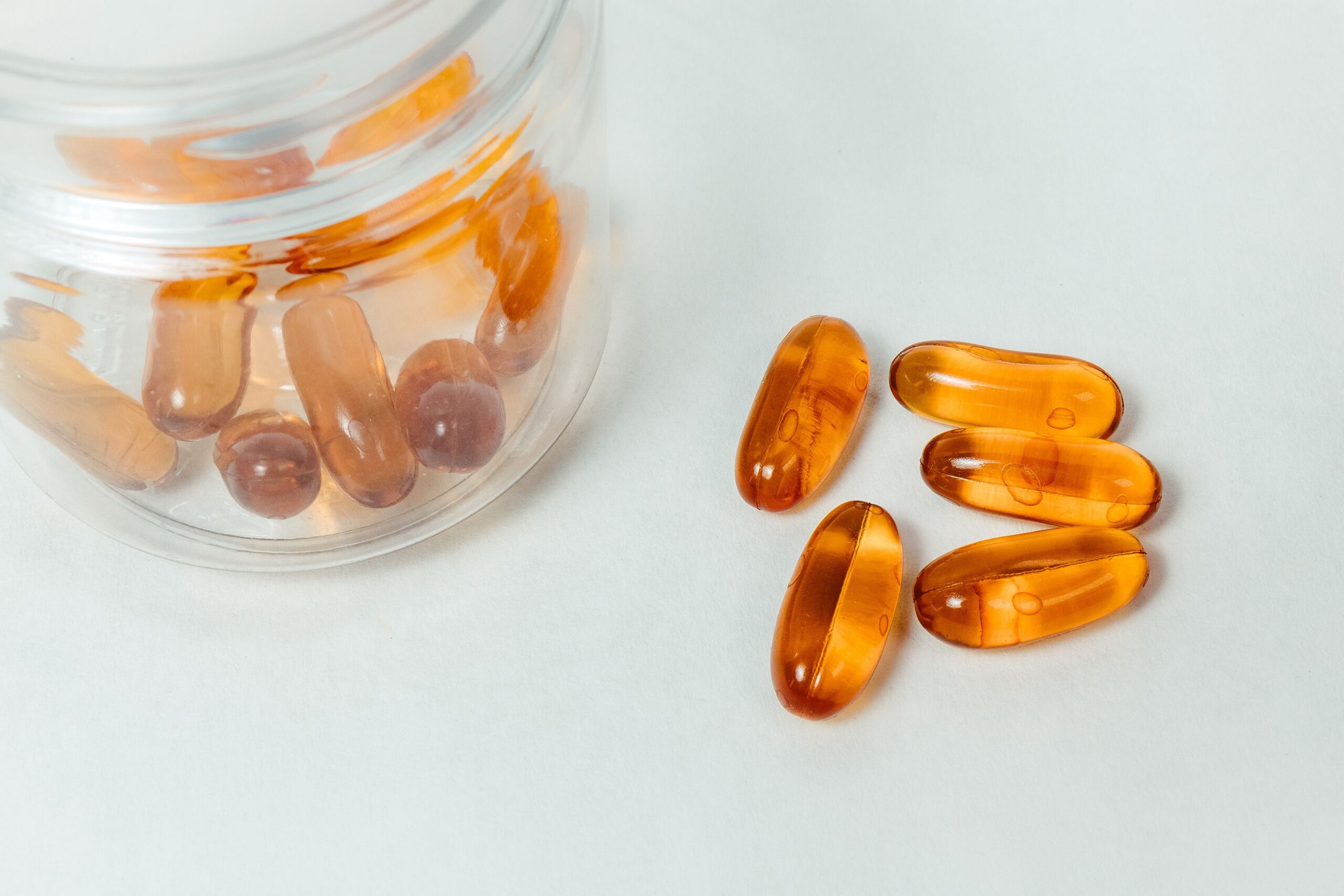
- Vitamin D3 is fat-soluble. Absorption drops by roughly 50 percent when taken on an empty stomach without dietary fat. The pill with morning coffee is the most common delivery mistake in supplement practice.
- Test, dose to result, retest at 12 weeks. Vitamin D is a diagnostic feedback loop, not a set-and-forget supplement.
Everyone is taking it. Almost nobody has tested it
It is on the counter. It goes in with the morning coffee. It has been going in with the morning coffee for three years. You read something about vitamin D and fatigue and started the softgel and assumed the problem was addressed. Meanwhile your 25-OH D blood level may have moved from 18 ng/mL to 24 ng/mL and has been parked there ever since, nowhere near the 50 to 80 ng/mL range where the cellular benefit actually appears.
The gap between “taking vitamin D” and “having adequate vitamin D” is wider than almost any other supplement. Dose matters. Fat co-ingestion matters. Magnesium cofactor availability matters. Individual absorption variation matters. The 25-OH D test collapses all of that into one number and tells you exactly where you stand.
Vitamin D is not a minor contributor to energy. It is a steroid hormone precursor. Vitamin D receptors are present in nearly every tissue in the body, including the mitochondria. When levels are suboptimal, cellular energy production, neuromuscular function, immune signaling, and mood regulation all operate below capacity simultaneously. It presents as a broad-spectrum drag: tired, slightly flat, more susceptible to illness, sleeping but not fully recovering.
What is actually happening
Vitamin D enters the body via two pathways: UVB-driven skin synthesis and dietary intake (primarily fatty fish, egg yolks, and fortified foods). Most adults in an indoor modern environment get insufficient UVB year-round, and dietary sources rarely close the gap. The supplement form, cholecalciferol (D3), is converted in the liver to 25-OH D (the circulating storage form measured by the blood test), then in the kidneys to calcitriol (the active hormonal form that binds receptors in cells). The 25-OH D blood test is the right proxy for status because it reflects what is in circulation and available for conversion.
D3 is fat-soluble, meaning it requires dietary fat for absorption through the intestinal wall. Studies show absorption can drop 50 percent or more when the supplement is taken without fat. This is not a minor rounding error. A person taking 3,000 IU per day with coffee on an empty stomach is effectively getting 1,500 IU. Over six months, that gap is the difference between reaching 55 ng/mL and stalling at 32 ng/mL.
Two cofactors matter at therapeutic doses. Vitamin K2 (as MK-7) directs calcium to bone and away from arterial tissue when vitamin D levels are high. At doses above 2,000 IU per day, K2 at 100 to 200 mcg is a standard companion. Magnesium is required for the enzymatic conversion steps in both the liver and the kidneys. Many people who “don’t respond to vitamin D” have unaddressed magnesium insufficiency blocking the conversion pathway.

What you have probably already tried
1,000 to 2,000 IU daily from a standard supplement or multivitamin. For someone at 18 to 25 ng/mL with a target of 60 ng/mL, this dose raises levels by roughly 6 to 10 ng/mL over 12 weeks under ideal absorption conditions. Starting at 22 ng/mL, that puts you at 28 to 32 ng/mL. Still well below optimal. The dose is not wrong for maintenance. It is not sufficient for repletion from a meaningful deficit.
More outdoor time. Correct direction. Ten to 30 minutes of midday sun on arms and legs without sunscreen in summer at adequate latitude generates meaningful D3 in the skin. But above 37 degrees north latitude between October and March, the UVB angle is too shallow for synthesis regardless of time outdoors. In those months and locations, supplementation is not optional.
Adding vitamin D to a morning protein shake. If the shake contains fat, absorption improves. A typical low-fat whey shake without added fat does not provide enough lipid matrix for reliable fat-soluble vitamin absorption. The fat requirement is real and specific.
The Livium take. The fix is mechanical and data-driven. Test the 25-OH D level. Move the supplement to a fat-containing dinner meal. Add K2 MK-7 at doses above 2,000 IU. Check magnesium if the level resists moving. Retest at 12 weeks. No guessing required.
The Livium recipe
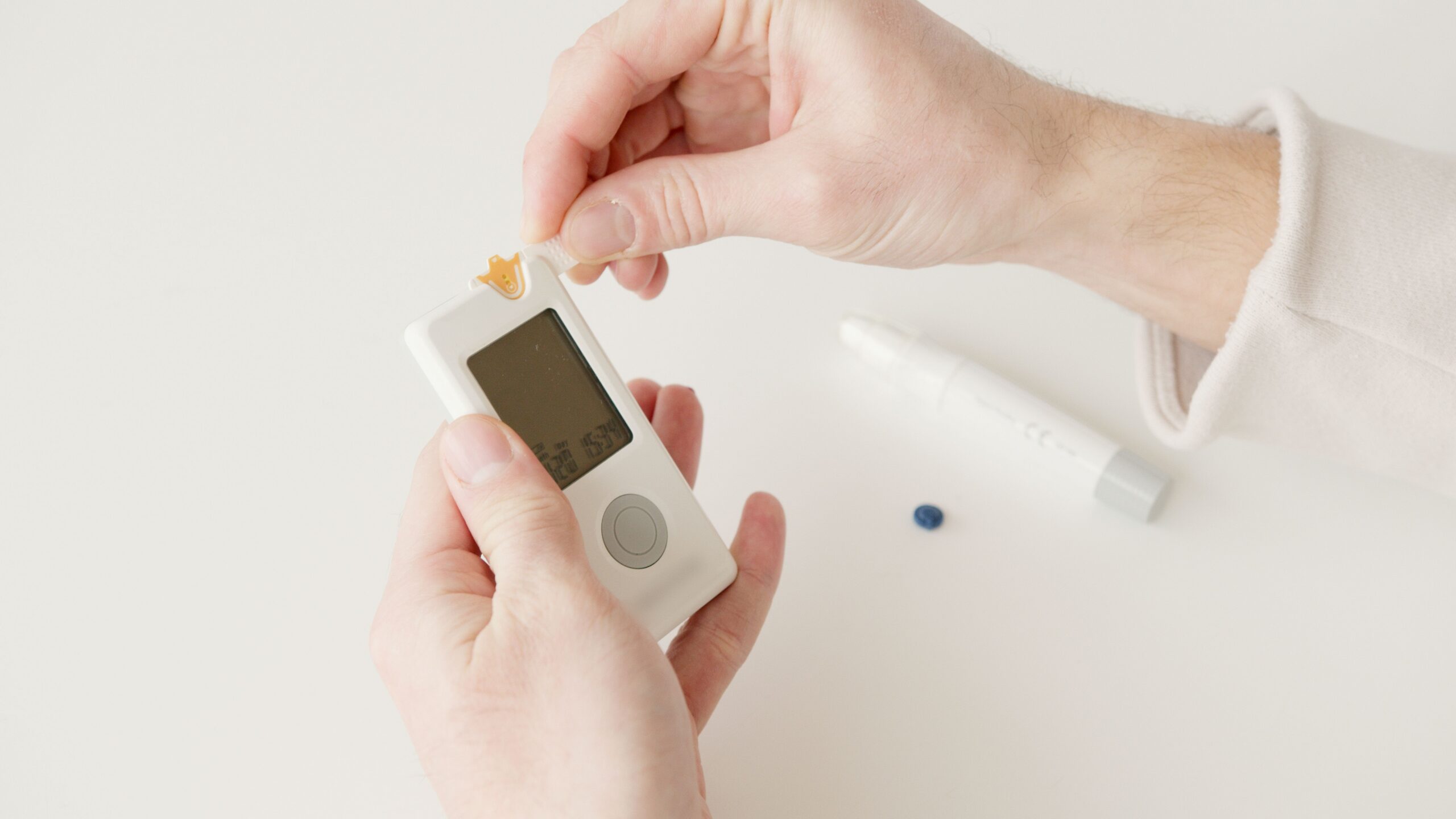
Tool. Order the 25-OH D test through Function Health as part of the full panel, or as a standalone at any direct-to-consumer lab service. Hold the supplement for 24 hours before the draw to avoid false elevation. This is the baseline that determines your dose.
Behavior. Move vitamin D to dinner tonight. The meal should contain at least one fat source: olive oil, avocado, eggs, nuts, meat, or dairy. At doses above 2,000 IU, add vitamin K2 MK-7 at 100 to 200 mcg at the same meal. If the 25-OH D level does not move by 12 weeks despite correct dosing and fat co-ingestion, add magnesium glycinate at 300 to 400 mg with dinner. Magnesium glycinate is better tolerated than magnesium oxide and less likely to cause GI side effects.
Threshold. 25-OH D between 50 and 80 ng/mL. Below 50 ng/mL, the cellular benefit is incomplete. Above 100 ng/mL, toxicity risk begins. This is why blind dosing without testing is a problem in both directions. Retest at 12 weeks after any dose change.
| 25-OH D level | Classification | Suggested D3 dose | Retest at |
|---|---|---|---|
| Below 20 ng/mL | Deficient | 5,000 IU D3 with fat meal plus K2 MK-7 200 mcg | 8 weeks |
| 20 to 30 ng/mL | Insufficient | 4,000 IU D3 with fat meal plus K2 MK-7 100 to 200 mcg | 12 weeks |
| 30 to 50 ng/mL | Suboptimal | 2,000 to 3,000 IU D3 with fat meal | 12 weeks |
| 50 to 80 ng/mL | Optimal | 1,000 to 2,000 IU maintenance with fat meal | Annual |
| Above 100 ng/mL | Potential toxicity range | Stop supplementing; consult physician | 6 weeks |
Source: Livium editorial synthesis based on NIH Office of Dietary Supplements, Vitamin D and functional medicine clinical dosing references.
Plan of action
- Order the 25-OH D test through Function Health or as a standalone. Hold the supplement for 24 hours before the draw.
- Move vitamin D to dinner tonight. Take it with a fat-containing food. This single change improves absorption by up to 50 percent at the same dose.
- If dosing above 2,000 IU, add K2 MK-7 at 100 to 200 mcg at the same meal. Cofactor, not optional at therapeutic doses.
- If the level stalls below 40 ng/mL after 12 weeks on the corrected protocol, add magnesium glycinate at 300 to 400 mg with dinner. Magnesium is the most common hidden bottleneck in vitamin D conversion.
- Retest at 12 weeks. Dose to result, not to a round number on the label.
Table of Content

Know your body better.
Trusted By Thousands Daily






FAQ
Can I get enough vitamin D from diet alone?
Rarely. Fatty fish provides 400 to 600 IU per serving. Reaching a therapeutic dose of 3,000 to 5,000 IU from food alone would require eating salmon twice daily. Diet contributes but cannot reliably replace supplementation for most deficient adults in modern indoor environments.
What is the difference between D2 and D3?
D3 (cholecalciferol) is the form produced by human skin and raises 25-OH D blood levels more efficiently than D2 (ergocalciferol). D2 is sometimes used in prescription vitamin D formulations. For over-the-counter supplementation, D3 is the correct form. If your label says “vitamin D” without specifying the form, check the ingredient list.
Does vitamin D actually improve energy, or is this just correlation?
The evidence is strongest for people who are genuinely deficient. Randomized controlled trials show correcting vitamin D deficiency reduces fatigue scores in people starting below 20 ng/mL. For people already in the 50 to 80 ng/mL range, additional supplementation does not produce further energy benefit. It is a deficiency correction, not a performance enhancer.
Legal Disclaimer
The content published on Livium Health is for informational and educational purposes only. Nothing on this site constitutes medical advice, diagnosis, or treatment. Always consult a qualified healthcare provider before making decisions about your health, including changes to medications, supplements, diet, or exercise.
Livium Health is not a medical practice and does not have a patient-provider relationship with its readers. We do not sell supplements, medications, or treatments, and we have no financial relationship with the products or services we reference.
While we work to ensure the information we publish is accurate and up to date, health and medical guidance evolves. We make no guarantees about the completeness or currency of any content on this site. Reliance on any information provided by Livium Health is solely at your own risk.
If you are experiencing a medical emergency, call 911 or your local emergency services immediately.
We may receive compensation, free products, or affiliate commissions for products mentioned in this post. Opinions are our own.